


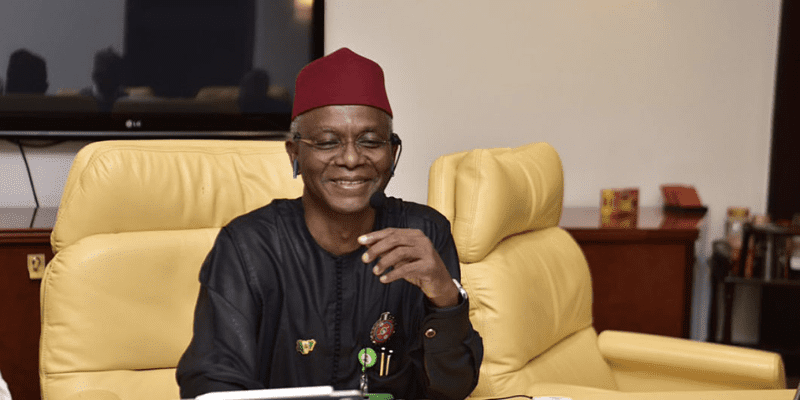



Short-form video platform TikTok has said it plans to partner with the Kenyan government to ensure its content conforms with the country’s regulations. Additionally, the ByteDance-owned app will establish a local office to effectively monitor its operations in Africa.
TikTok CEO, Shou Zi Chew made these promises during a virtual meeting with President William Ruto. Present in the meeting were Moses Kuria, the Trade Cabinet Secretary, and Adan Hussein, an economic adviser. Chew further stated that plans were underway to recruit more Kenyans to work with his company.
The collaboration between Kenya and TikTok means that offensive and inappropriate content will be removed from the platform. Although both parties did not state how they intend to attain this, one can assume content moderators will handle this task.
This decision follows last week’s petition to ban TikTok in Kenya. According to the petition which was delivered by businessman, Bob Ndolo, the platform had greatly contributed to moral decadence and cultural loss in the country. However, the Parliament responded that they can not fight technology, the innovation behind TikTok and other social media platforms.
Besides, a ban would do little to prevent Kenyans from accessing the platform. With more and more Virtual Private Network (VPN) network providers emerging, VPNs have become crucial to citizens’ quests to view restricted content and sites.
VPNs have come in handy for many African countries. Consider Nigeria during the famous Twitter ban, when many Nigerians leveraged VPNs to visit the site despite warnings from the government. In Senegal, citizens also used VPNs to access social media platforms after the government limited access to reduce political tensions in that country.
Read also: Senegal suspends TikTok for ‘threatening national stability’
Strong lesson for Somalia on TikTok ban?
Earlier this week, Techenext reported that fellow East African nation, Somalia had banned TikTok, Telegram, and 1XBet. While the first two are social media sites, the latter is an online betting platform. Although its motive was to drive good conduct among citizens, many have criticized the way the authorities chose to handle the situation.
Unlike Somalia which chose to outlaw the above platforms, Kenya opted for dialogue. Social media is a major employer of people, particularly the youth. Social media has played a key role in the birth of what’s now called the creator economy.
Nowadays, people can livestream themselves doing things ranging from playing video games to cooking. They amass millions of views which translates into revenue for the platform and the creator. This and many other benefits make social media an asset now and in the future.
