






China’s plan to expand the ban on iPhones in sensitive government departments to government-backed agencies and state companies signals increasing challenges for Apple in its largest foreign market and global production base.
This move comes as part of Beijing’s ongoing efforts to reduce reliance on foreign technology and American software and circuitry, putting Apple’s position in the Chinese market at risk. According to a report, several agencies including central government regulators have already instructed their staff not to bring iPhones to work, confirming a previous report from the Wall Street Journal.
Furthermore, Beijing intends to extend this restriction to a wide range of state-owned enterprises and government-controlled organizations. Although there is no formal or written injunction yet, the ban on personal devices is expected to vary in strictness among different state firms and organizations.
The significance of this potential restriction lies in China’s aim to minimize foreign technology use in sensitive environments. For Apple, China is a crucial market that contributes about 20% of its revenue, and it serves as the primary manufacturing location for iPhones through sprawling factories that employ millions of Chinese workers. However, if the ban is enforced, it could erode Apple’s market position and disrupt its supply chain.
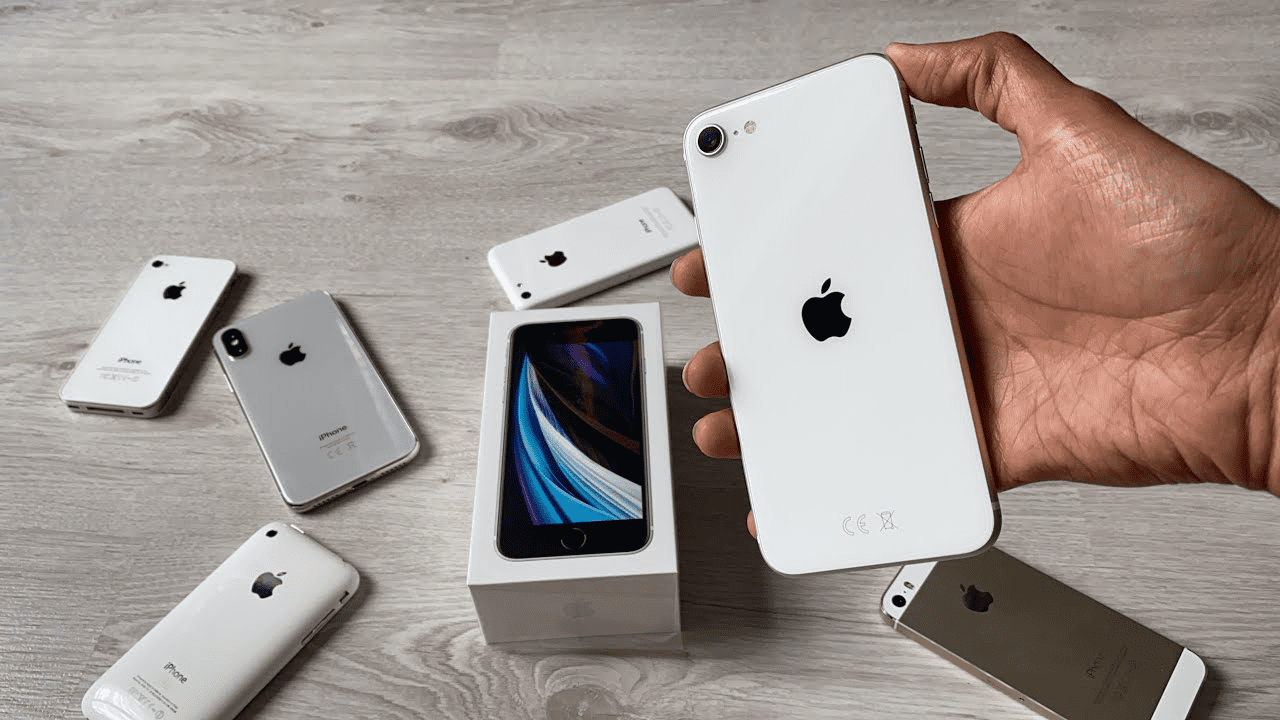
According to the report, investors reacted negatively to the prospect of China turning against Apple, causing a 3.6% drop in the company’s shares—the largest single-day decline since August 4.
Despite rising competing tensions between the United States and China in the technology industry, Apple has maintained its popularity in China, with iPhones being bestsellers in both the government and private sectors.
Read Also: Old iPhone users to start receiving payouts from $500 million ‘battery-gate’ lawsuit
iPhone ban: US-China’s strained relationship on tech Industry

The ban on iPhones coincides with China’s efforts to develop domestic technology that can rival or surpass American innovation. Last week, the nation released a Huawei smartphone containing an advanced domestically made processor that garnered attention on both sides of the Pacific.
In May 2022, Beijing mandated the replacement of foreign-branded personal computers with domestic alternatives in central government agencies and state-backed corporations within two years, demonstrating its aggressive efforts to remove foreign technology from sensitive sectors.
Simultaneously, the Biden administration has sought to restrict exports of cutting-edge semiconductor equipment from the USA to China. Semiconductor Manufacturing International Corp., China’s top chipmaker, has faced scrutiny for supplying components to Huawei, a company blacklisted by the US.
Despite the strained US-China relationship, Apple continues to heavily depend on China, both as a manufacturing partner and a market for its products. CEO Tim Cook has emphasized the symbiotic nature of this relationship.
China played a significant role in Apple’s last quarter results, helping offset a generally slow period. According to a report, Apple sales for the fiscal third quarter that ended on July 1 fell by 1.4% to $81.8 billion and earnings per share rose 5% to $1.26.
That topped analyst expectations of $81.69 billion and $1.19 per share. Although weaker iPhone sales were balanced by strong sales in the services segment that contains Apple TV+ and by sales in China that grew 8% year over year.
The company is set to unveil its latest iPhones in the upcoming week, gearing up for the holiday quarter, which traditionally represents its highest sales period of the year.
