



By Abdullahi Abdullateef
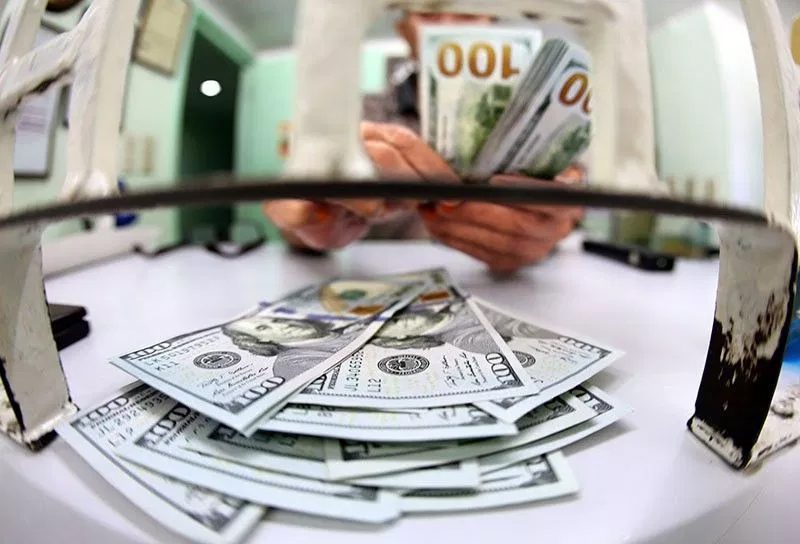
The Central Bank of Nigeria, CBN, has directed all dealer banks to process the Personal Travel Allowance (PTA) and Business Travel Allowance (BTA) through electronic channels including debit or credit cards. Similarly, the apex bank has warned authorized dealers not to pay out these allowances in dollar cash.
According to the directive signed by the CBN’s Director of the Trade and Exchange Department, Dr Hassan Mahmud, this new policy aims to bolster transparency and stability in the foreign exchange market while curbing forex malpractices.
In line with CBN’s commitment, the policy highlights the new shift in foreign transactions and adapting to electronic means for accessing both personal and foreign travel allowances.

According to the circular; “Memorandum 8 of the Foreign Exchange manual and the circular with reference FMD/DIR/CIR/GEN/08/003 dated February 20, 2017, stipulate the eligibility criteria for accessing Personal and Business Travel allowances (PTA/BTA)“
It states further that “In line with the Bank’s commitment to ensure transparency and stability in the foreign exchange market and avoid foreign exchange malpractices, all Authorized Dealer Banks shall henceforth effect payout of PTA/BTA through electronic channels only, including debit or credit cards. For the avoidance of doubt, payment of PTA/BTA by cash is no longer permitted. Authorized Dealers and the general public are hereby to note and comply accordingly“
Significant dollar and foreign exchange challenges facing CBN
The Governor of the Central Bank of Nigeria, Mr Yemi Cardoso, expressed that the significant foreign exchange challenges facing Nigeria are due to the significant amounts spent on foreign education and medical tourism. In a presentation to the House of Representatives, Cardoso stressed that around $40 billion has been invested in these sectors, contributing to the Naira’s depreciation to over N1,400 in the official market.

Combating the forex scarcity and protecting the Naira’s value, the CBN has stepped up its operations for International Money Transfer Operators (IMTOs), restricting them to inbound transfers only and mandating that international transfers be paid out in Naira.
In the end, the policy is effective on major IMTOs, including Western Union and MoneyGram, and is part of broader efforts to stabilize the foreign exchange market.
See also: N900 million minimum capital for IMTOs, here’s what the new CBN requirements mean for players
