





Donald Trump’s return to the presidency has reignited many debates, but few dynamics are as fascinating as the attendance of the world’s most influential tech figures at his inauguration. These tech titans, some of whom were vocal critics of Trump during his first term, now find themselves navigating a precarious balancing act.
Their presence in Washington D.C. is symbolic of the uneasy relationship between big tech and the administration—a relationship fraught with ideological clashes, regulatory battles, and opportunistic recalibrations.
The guest list includes an ensemble of tech leaders: Amazon’s Jeff Bezos, Google’s Sundar Pichai, Meta’s Mark Zuckerberg, TikTok’s Shou Chew, Tesla’s Elon Musk, Uber’s Dara Khosrowshahi, Apple’s Tim Cook, and OpenAI’s Sam Altman.
The gathering raises questions about shifting allegiances, strategic alliances, and the lengths to which these companies will go to secure their place in a politically charged future.
For instance, Jeff Bezos once stood at the forefront of anti-Trump rhetoric, with the Washington Post—owned by the Amazon founder—often publishing unflattering coverage of the former president.

Trump, in turn, launched scathing attacks on Bezos and Amazon, accusing the e-commerce giant of exploiting tax loopholes and undermining small businesses.
Bezos’s decision to attend the inauguration suggests a calculated shift, possibly driven by Amazon’s increasing regulatory scrutiny. A new administration means new threats, particularly with Trump signalling a more aggressive stance on breaking up monopolies.
Sundar Pichai, the Google CEO, represents another complicated chapter in this saga. During Trump’s first term, Google found itself accused of suppressing conservative voices on its platform.

Congressional hearings featured Republican lawmakers grilling Pichai on allegations of algorithmic bias. Pichai’s presence now signals an attempt to reset relations, a move likely driven by the looming spectre of antitrust cases targeting Google’s advertising empire.
Mark Zuckerberg’s attendance carries its layer of intrigue. Once a figure of bipartisan criticism, the Meta CEO has reportedly made subtle overtures to the Trump camp in recent months.
Speculation around Facebook’s content moderation policies being softened to accommodate Trump-aligned narratives gained traction following the reinstatement of Trump’s account on Meta platforms.

Zuckerberg’s decision to re-platform the former president after a two-year suspension was seen by some as an olive branch aimed at quelling conservative criticisms.
While Zuckerberg has long insisted on the importance of free speech, his newfound pragmatism is hard to ignore.
Meta faces mounting challenges, from the exodus of young users to competitors like TikTok to regulatory pressures in the European Union and the United States. Attending the inauguration allows Zuckerberg to position himself as a bridge between Silicon Valley and the populist right, a relationship he might need in the years to come.
Elon Musk’s presence at the inauguration is less surprising, given his tendency to defy expectations.

The Tesla and SpaceX founder, now also the owner of X (formerly Twitter), reinstated Trump’s account in 2024 after acquiring the platform. Musk justified the move as a defence of free speech, though critics saw it as pandering to a vocal segment of Trump’s base.
Musk’s companies stand to benefit from Trump’s infrastructure ambitions, particularly if the administration prioritises domestic energy and transportation projects.
For Musk, attending the inauguration is as much about securing federal contracts as it is about reinforcing his reputation as an unpredictable, yet indispensable, player in the American tech landscape.
Shou Chew, CEO of TikTok, and Dara Khosrowshahi, CEO of Uber, represent the globalisation of this dynamic.
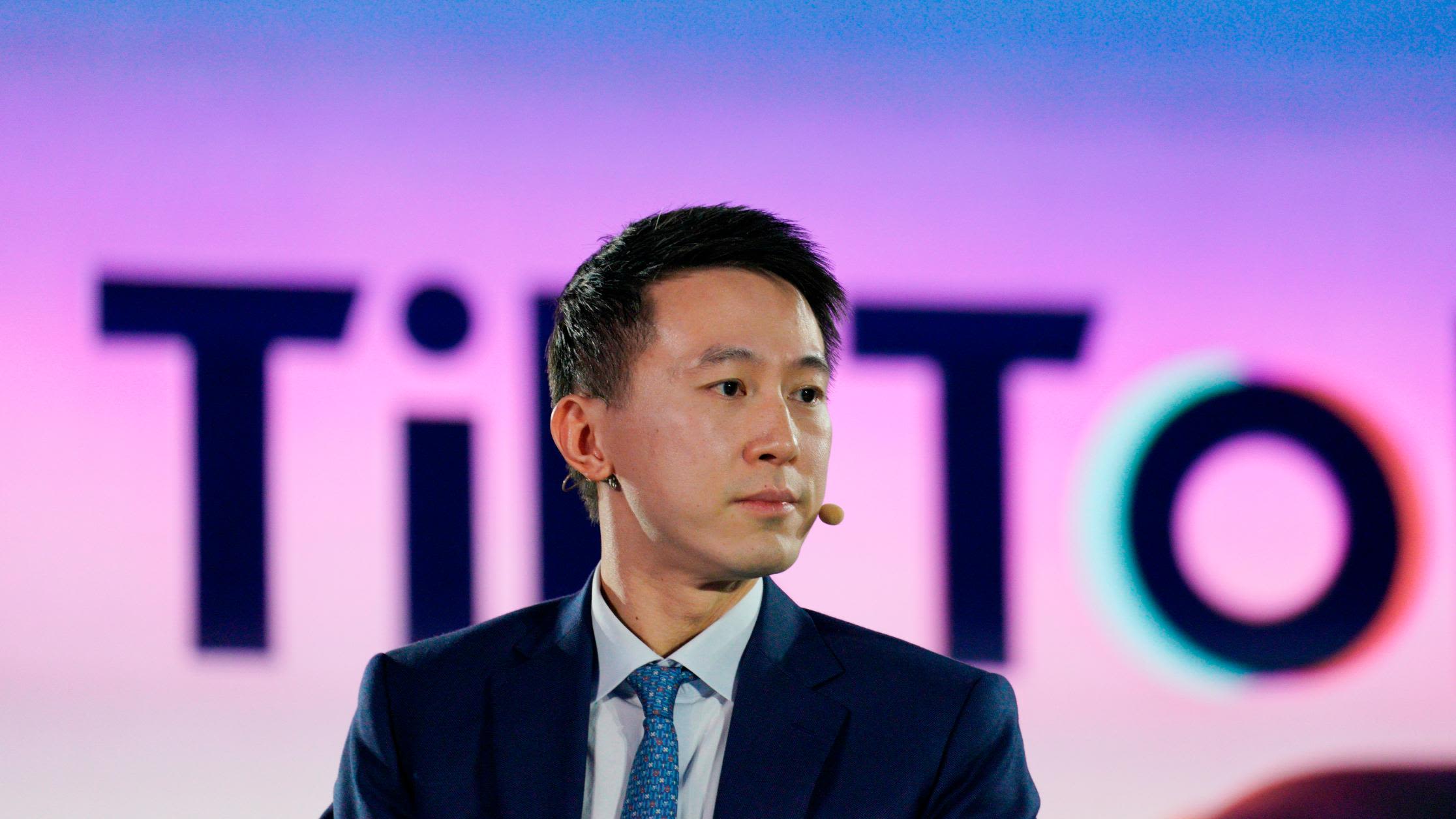
Chew’s attendance is especially significant given TikTok’s precarious standing in the United States.
The Biden administration’s efforts to ban TikTok over national security concerns cast a long shadow, and the company continues to face bipartisan scrutiny.
Chew’s appearance suggests a willingness to engage directly with a country that once sought to dismantle his platform. For TikTok, survival in the U.S. market might hinge on Chew’s ability to navigate the politics of data sovereignty and national security.
Khosrowshahi, on the other hand, helms a company that epitomises the gig economy—a sector Trump has both praised and criticised.
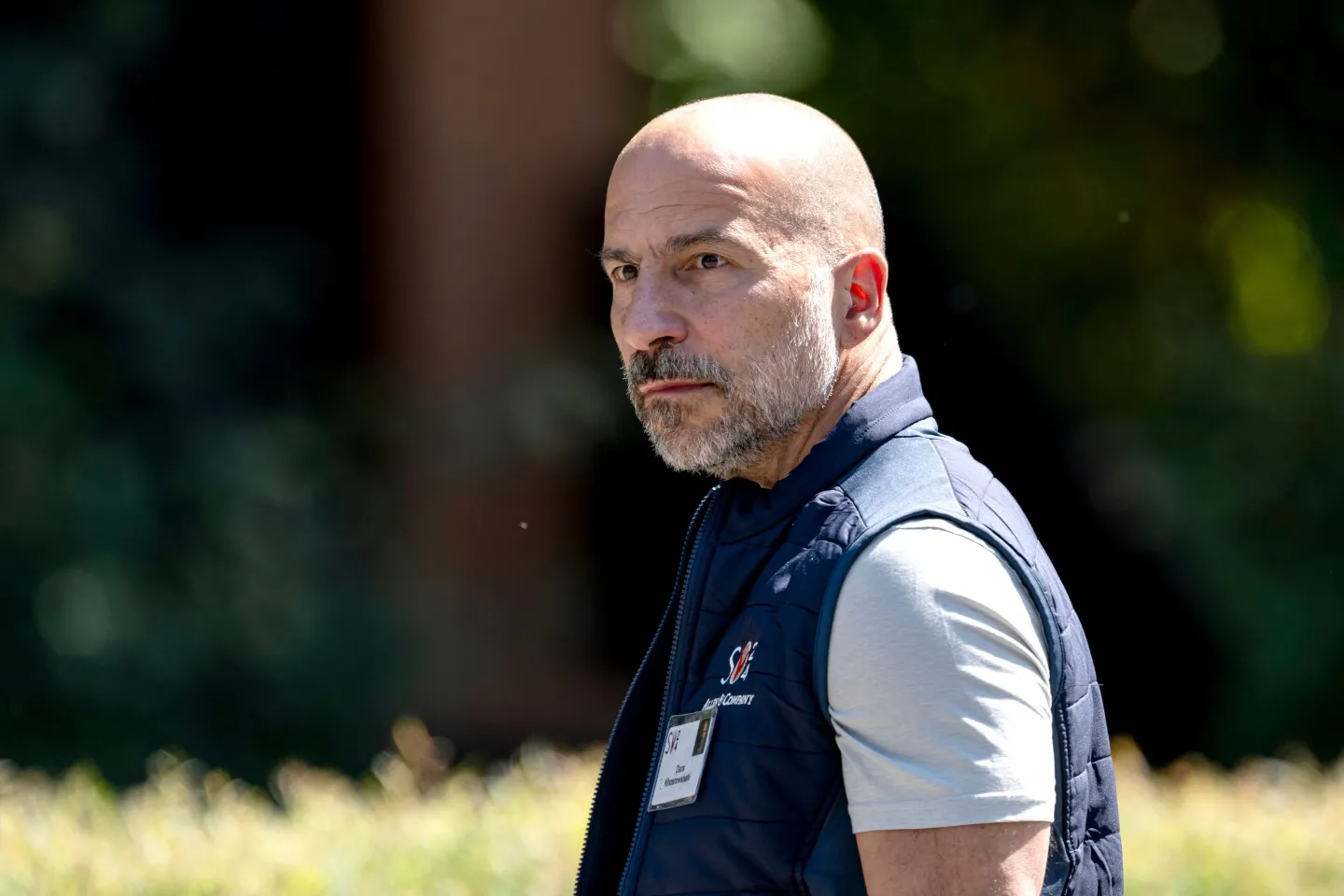
Uber faces ongoing regulatory battles over worker classification, and its CEO’s presence signals a desire to keep these issues on the administration’s radar. Khosrowshahi’s attendance is less about optics and more about ensuring Uber’s business model remains viable in a changing regulatory landscape.
Tim Cook, Apple’s CEO, has long played the role of a quiet diplomat in Silicon Valley. Cook maintained a relatively neutral stance during Trump’s first term, focusing instead on fostering a cooperative relationship.

Apple’s reliance on global supply chains and its market dominance in the tech sector means Cook must walk a fine line between appeasing regulators and safeguarding Apple’s interests. His attendance underscores Apple’s strategy of engaging with every administration, regardless of ideological differences, to maintain its market position.
Sam Altman, representing OpenAI, brings a different dimension to the table.
Artificial intelligence has emerged as one of the most pressing issues of the decade, and OpenAI finds itself at the centre of debates over ethics, regulation, and innovation.

Altman’s presence signals the growing importance of AI in policy discussions. The technology’s potential to transform industries, from healthcare to defence, makes Altman a key figure in shaping how AI is understood and governed in Washington.
What unites these tech leaders is not ideology but pragmatism.
The Trump administration’s return to power creates both opportunities and risks for Silicon Valley. For some, attending the inauguration is a gesture of goodwill aimed at mitigating regulatory threats. For others, it is a chance to influence policy and secure their company’s future.
These leaders are acutely aware of the growing public scrutiny of their industry. The populist wave that propelled Trump to power often targets big tech as a symbol of elitism and unaccountable power. By attending the inauguration, these CEOs are signalling their willingness to engage with an administration that has not hesitated to criticise their influence.
Balancing acts
Their presence also highlights the delicate balancing act tech companies must perform. Many of these leaders face internal criticism from employees and stakeholders who view Trump’s policies as antithetical to their values. Attending the inauguration risks alienating these constituencies, even as it opens doors to new opportunities.
The optics of their attendance will undoubtedly be dissected in the coming days. Critics will question whether these leaders are compromising their principles in the name of profit. Supporters will argue that engaging with the administration is a necessary step to ensure their companies’ survival in a volatile political climate.
What we are saying
The attendance of Silicon Valley’s most powerful figures at Trump’s second inauguration underscores the complex relationship between technology and politics. These leaders, representing companies that shape how the world communicates, shops, and thinks, are not just spectators.
They are active participants in the political process, navigating a landscape where every decision carries significant consequences. Their presence reflects the evolving dynamics of power in the 21st century, where the lines between government and corporate influence are increasingly blurred.
For these tech titans, the inauguration is not just a ceremonial event—it is a strategic moment in a game where the stakes could not be higher.
