


South Africa’s Democratic Alliance Federal Chair, Helen Zille has warned the country’s government against the use of Bitcoin as a strategic reserve currency. This comes amidst a recent wave of countries adopting cryptocurrency as a national treasury.
Raising the caution at a crypto conference tagged “Adopting Bitcoin” in Cape Town, Zille who admitted to personally investing in the digital assets said she is more concerned about Bitcoin being used as a reserve currency, an idea that has gained favour in the US following the election of Donald Trump as president.
El Salvador has witnessed a significant turnaround in its debt reduction since its adoption of Bitcoin as a strategic reserve currency. The Latin American country’s investment in digital assets had seen the cryptocurrency more than double in value.
Rooted in his goal was to limit the risk of El Salvador’s finances by reducing its dependence on the US dollar.
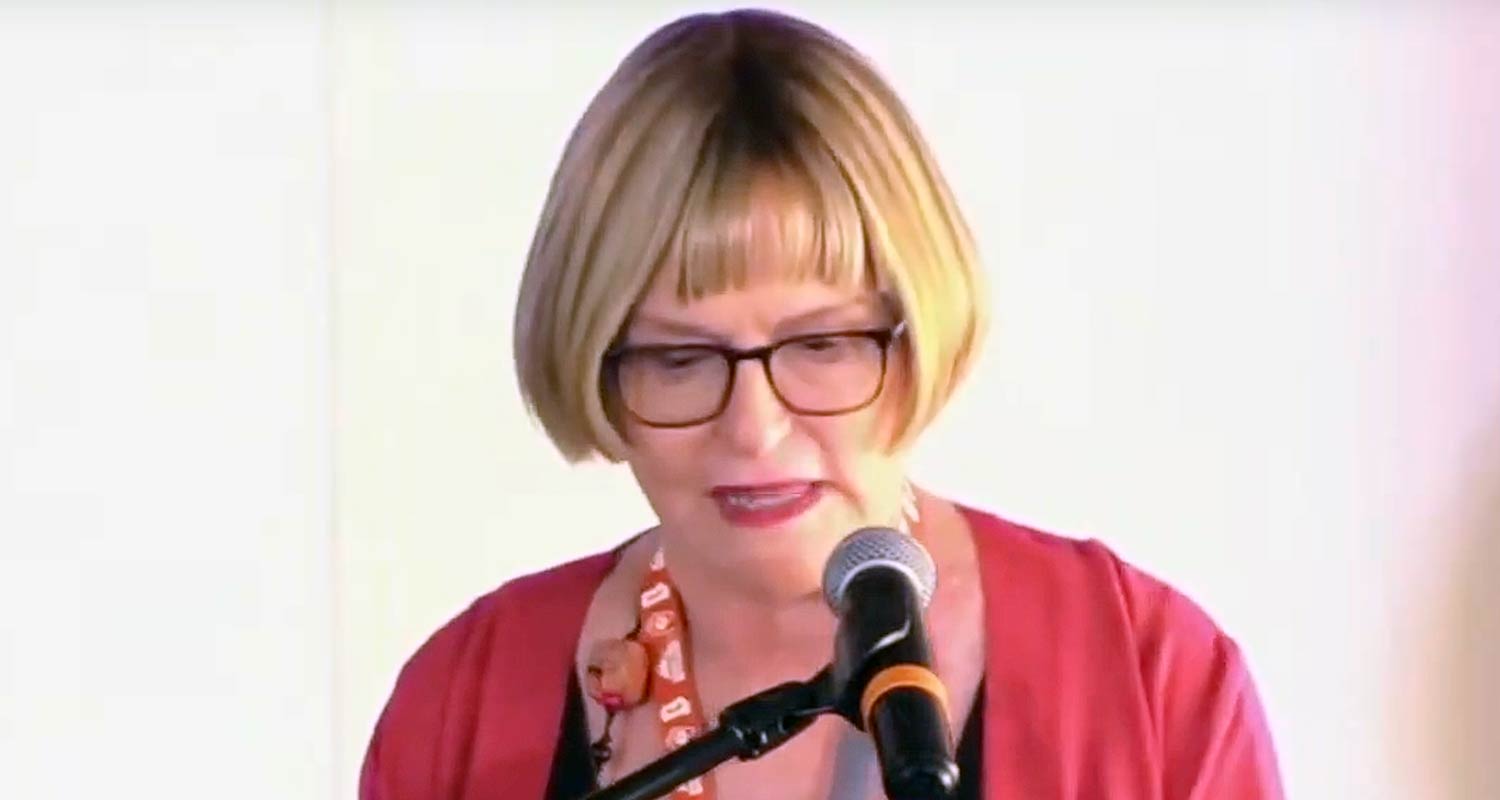
However, Zille described the steps taken by El Salvador as “important experiments” but warned that there are many risk factors South Africa’s financial regulators must consider before making such a decision.
The reaction comes at a time when India announced it is reviewing its strict position on cryptocurrencies which might see its consideration on its usage and acceptance.
The country which has always had a strict position on digital assets is making insights into the cryptocurrency discussion papers. This is not far-fetched as Indians have poured money into cryptocurrencies in recent years.
Notably, the review follows crypto-friendly policy announcements by U.S. President Donald Trump. The order was cheered by the crypto industry pushing for the new administration to send a strong signal of support in Trump’s first few days in office.
Similar Read: India to review strict stance on virtual assets as countries embrace crypto.
Risks associated with Bitcoin as a reserve bank
Describing its reserve as volatile, the South African Reserve Bank said its strategic reserve is a “collection of assets that are managed to help the country prepare for economic crises, natural disaster, and conflict”. The assets include gold, foreign exchange, “special drawing rights” and forex deposits.
“While there is scope for the Reserve Bank [and national] treasury to test crypto assets, [we] would not advise it for dealing with our debt because it creates too many risks that would blow up the cost of borrowing and trigger a massive debt recall, which would trigger a currency crisis,” the Ministry of Finance noted.

It went further to state that the scale of debt in South Africa is such that the introduction of unclassified assets could trigger a major increase in the risk premium of the bond market, thereby triggering currency issues.
Supporting the position of the ministry, Zille noted that about 90 per cent of the country’s debt is denominated in rand and sold through bond market auctions on a guaranteed yield with specific payment coupons on pre-defined dates.
The Reserve Bank governor, Lesetja Kganyago, at January’s World Economic Forum in Davos, warned that governments should be wary of lobbyists who have a “particular interest in a particular product” and seek to impose that on societies.
“I would have a significant problem with a lobby that says governments should hold this or that asset without consideration for the strategic intent of the government. There is a history to gold, but if we now say bitcoin, then what about platinum or coal? Why don’t we hold strategic beef reserves, mutton reserves, or apple reserves? Why Bitcoin?” asked Kganyago
Another South Africa stakeholder, MK Party chief whip Mzwanele Manyi, who saw no bitcoin’s usefulness in the country’s strategic reserve said that bitcoin differs from traditional currencies in that it “operates on principles of transparency, decentralization and fairness”.
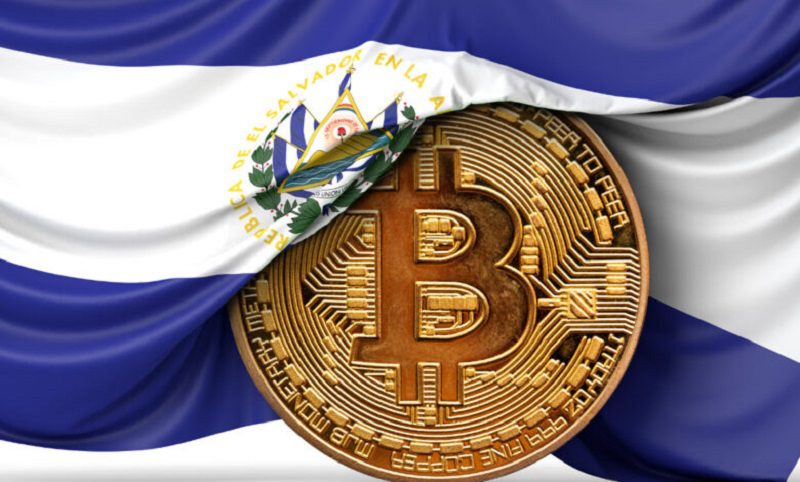
In contrast, Manyi pointed out that the use of crypto in state affairs would also help fight corruption. “With Bitcoin, there is no introduction fee or kickback, everything is out there and verifiable. So, if you have any government system that wants to talk about transparency, bitcoin is the way to go.”
Also making reference to El Salvador he advised the South African government to invest 5 per cent of its strategic reserves in Bitcoin, claiming that this amount, of some R50 billion by his estimation, could grow to R380 billion in five years. This was based on the past growth of digital assets.
