




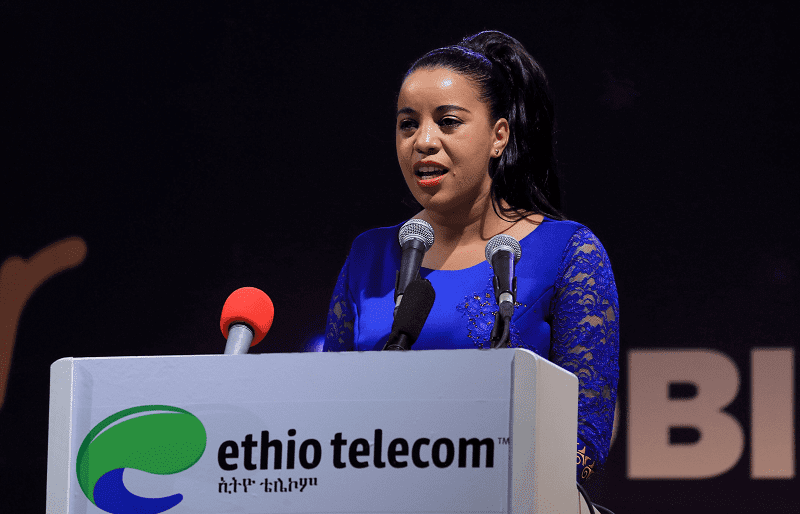
Ethio Telecom, an Ethiopian-owned telco, has reported a half-year revenue increase, jumping more than 40 per cent to 61.9 billion birr ($491.57 million) for the period ending December. This was disclosed by its CEO, Frehiwot Tamiru on Wednesday.
During the same period in 2023, the firm recorded a revenue of about 44.2 billion birr, which means the company has seen an increase of about 17.7 billion birr in just six months. This surge in revenue can be attributed to several key factors. One is the expansion of its mobile money transfer service, Telebirr, which has played a significant role.
The service went from 41 million users handling transactions worth 910 billion birr a year ago to over 51 million subscribers with transactions amounting to 1 trillion birr. This growth in mobile financial services reflects not just an increase in user base but also in transaction volume, indicating greater financial inclusion and trust in digital platforms within Ethiopia.
Also, the company’s EBITDA (Earnings Before Interest, Tax, Depreciation, and Amortization) increased by over 60% to 32.8 billion birr. This surge in operating profit suggests that Ethio has not only increased its revenue but has done so efficiently, possibly through cost management or enhanced operational leverage.
Ethio Vs Other African Telcos
Ethio Telecom’s recent half-year financial report is a big deal in the African telecom landscape, especially when compared to the challenges faced by many major telcos on the continent. In a period when revenue from telecom operators across Africa is showing signs of decline and Nigerian telcos are forced to hike prices to stay afloat, Ethio’s strong performance stands out.
For instance, MTN Group, One of Africa’s largest telecom companies reported a 20.8% year-on-year drop in group service revenue to $4.73 billion, compared to $5.98 billion in the same period last year in the H1 of 2024. The Group also reported a loss of $414.7 million in the six months through June marking its first loss since 2016.
However, MTN operates in multiple countries with varying market maturities which might dilute growth in some regions but balance with gains in others. Ethio Telecom’s concentrated market presence in Ethiopia offers a unique comparison point, highlighting its rapid growth potential in a single, large market.

While Airtel Africa with operations in 14 African countries, saw revenue in constant currency grow by 19.9 per cent in H1 2025 with growth accelerating to 20.8 per cent in Q2’25 driven by an acceleration of growth in Nigeria to 38.2 per cent and in Francophone Africa to 9.0 per cent.
Across the Group, mobile services revenue grew by 18.4 per cent and Mobile Money revenue grew by 28.8 per cent in constant currency. Reported currency revenues declined by 9.7% to $2,370m reflecting the impact of currency devaluation, particularly in Nigeria. This growth is commendable given the diverse regulatory environments and competition levels across its markets. However, like MTN, the spread of operations means growth rates can be averaged out across different market dynamics.
Ethio Telecom’s performance stands out not just in terms of percentage growth but also in the context of Ethiopia’s market dynamics. The company benefits from a large, growing population with increasing digital consumption as connectivity improves.
Market Implications and Future Outlook
The government’s plan to divest a majority stake in Ethio Telecom could lead to further operational efficiencies and innovation as private investment flows in. However, it also introduces a new era of competition, particularly as more players are bound to enter the market following an initial public offering sell of a 10% stake in October, with plans to later sell a further 45% stake to investors.

Ethio Telecom’s current growth trajectory suggests that it is well-positioned to capitalize on Ethiopia’s digital transformation, especially if it can maintain its lead in mobile money services. The challenge will be to keep innovating and adapting to consumer needs while managing the complexities of transitioning from a state monopoly to a publicly traded company.
Conclusively, Ethio’s half-year financial performance is not just a testament to its operational success but also a signal of Ethiopia’s broader economic reforms and the potential of its telecom sector. As the company moves towards partial privatization, all eyes will be on how it navigates this new chapter, balancing growth with market competition and regulatory changes.
