


The South African government is considering placing a levy on streaming services such as Netflix and DStv to fund the financially declining South African Broadcasting Corporation (SABC). The levy imposed on both local and international streaming platforms will exclude TV license holders.
The initiative was revealed by the Communications Minister, Solly Malatsi while responding to a written Parliamentary question from IFP MP Khethamabala Sithole on alternative funding sources for the South African Broadcasting Corporation (SABC).
The proposed levy follows the withdrawal of the SABC Bill before its second reading in Parliament. Malatsi said the bill did not address SABC’s immediate funding crisis and also reduced the control of the ministry over the public corporation’s board of directors.
Stating the delimiting factor of the bill, Malatsi pointed out that despite the urgency of its predicament, the bill included no amendments to its funding model. Instead, it gave the Minister of Finance and Communications and Digital Technologies three years to develop a new funding model from the moment the bill went into operation.
The withdrawal caused a brief clash in President Cyril Ramaphosa’s Government of National Unity (GNU). Following this, the presidency issued a new rule that ministers may not withdraw bills without permission from President Ramaphosa and Deputy President Paul Mashatile. It also led to an argument in the GNU on whether the new rule could block Malstsi’s move to withdraw the SABC bill.
The ruckus on the bill withdrawal has further threatened to delay the urgent intervention the public broadcaster needs to stave off collapse. This is evident as SABC’s once proud office building in Auckland Park is falling apart, with lifts that are beyond repair that forced staff and freelancers to climb the stairs daily.
SABC’s financial woes
Since the 2019/20 financial year, SABC’s revenue has declined from $307 million to $280 million. In its effort to decrease its annual losses, it still recorded a $10.6 million loss last year, a massive improvement from the $40.1 million loss in 2023.
Meanwhile, South Africa’s public broadcaster accommodated more debts as its total liabilities are now over $226 million where the figure had skyrocketed from $172 million since the 2019/20 financial year.
The worsening situation has left the public broadcaster in an overall negative financial position as it slipped into technical insolvency last year. Its net equity is now -$1.97 million. Its cash flow also declined with the cash and cash equivalents as at year-end decreased from $111 million in 2019/20 to $ 21.5 million in 2024.

On a positive note, the SABC achieved an unqualified audit last year, for the first time since the 2009/10 financial year.
Another leading factor that fueled SABC’s dire situation is that South Africans have staged a quiet tax revolt by refusing to pay their TV licences. According to the SABC, only 13 per cent of registered TV licence holders are paying their bills. The data excludes households who have never bought a TV licence, despite owning a TV.
While the Communications Minister’s proposal to collect an SABC levy from commercial video entertainment companies is not new, the public corporation has previously proposed the initiative during various public comment sessions. It suggested that the dominant pay-TV platform in South Africa – like MultiChoice – be used in collecting its TV Licence revenue.
Similar Read: StarSat South Africa shuts down as OnDigital Media faces liquidation, licensing dispute.
Saving grace for SABC
While commenting on the proposed plan, MultiChoice, the parent company of DStv, said it is unreasonable to expect a private-sector competitor to assume responsibility for collecting revenue on a government entity’s behalf.
Notably, the proposal differs in that it does not single out one pay-TV operator but instead requires all local and international streaming services to collect a government levy.
According to Malatsi, the plan will improve SABC’s funding through automatic revenue collection, raise subscription costs, and require regulatory alignment. In addition to a levy on streaming services, the minister said they were still considering a household and business levy to be collected by the South African Revenue Service and maintained as a reserve fund for the public corporation.
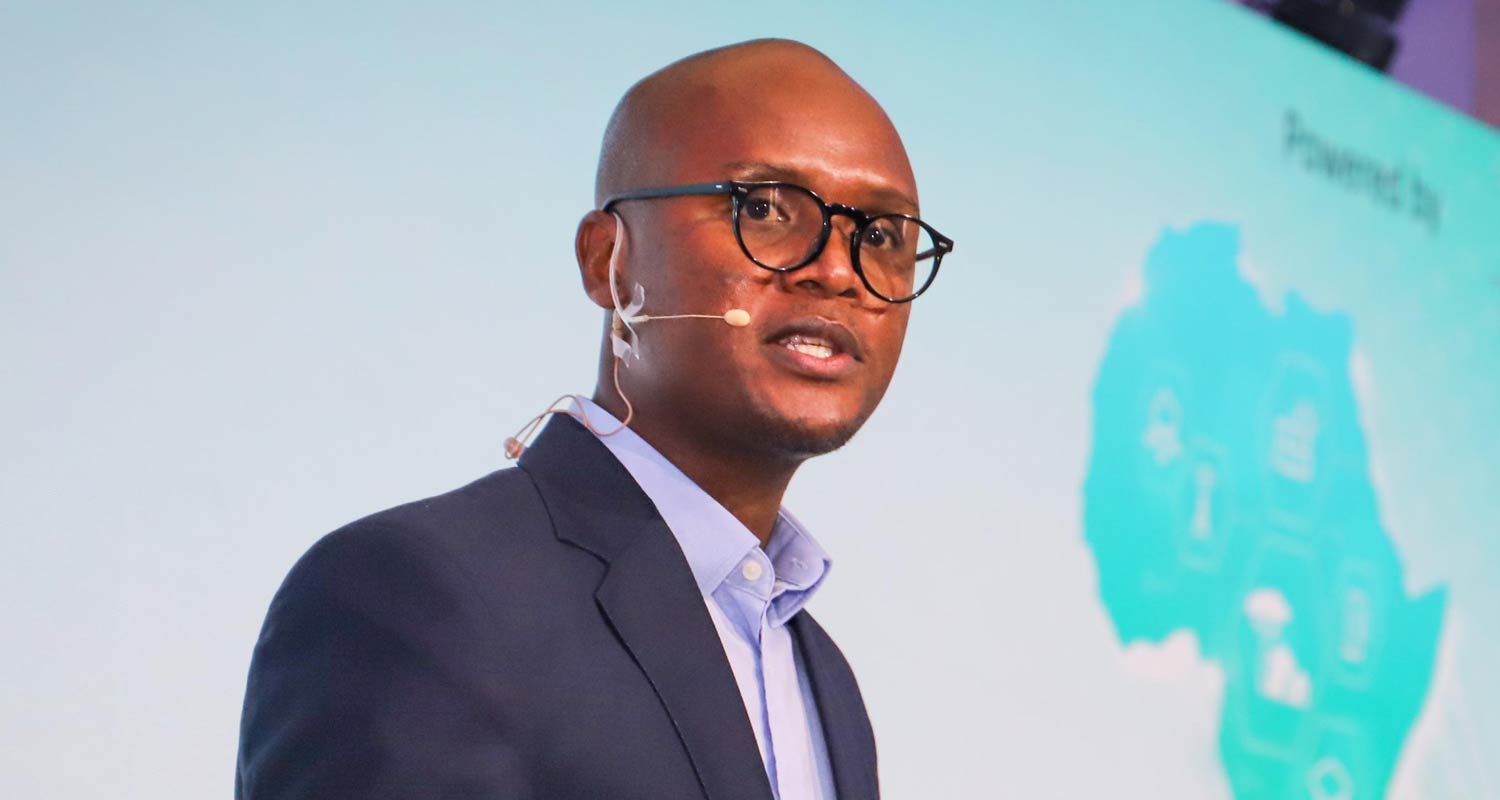
While acknowledging that the move could face public resistance as an added tax and would require legislative amendments and affordability safeguards, he noted that it would offer stable revenue and lower collection costs.
On another rescue end, Malatsi said they were looking into a conditional treasury grant to sustain the public broadcaster till a long-term funding model is finalized. Though he pointed out that would provide immediate relief, but was unsustainable and could affect the SABC’s independence.
“Additionally, the SABC has requested that the department reapply for a government-backed loan guarantee, now supported by its recent unqualified audit outcome,” he added.
Malatsi said a loan guarantee would enable the SABC to secure an overdraft facility and fund critical infrastructure. “While this provides immediate financial flexibility, the SABC must still repay the loan, making long-term revenue stability essential,” he said.
On sustainability, the minister explained that a feasibility study is in place to develop a clear business case for the SABC’s funding model. The study would also assess its revenue streams and explore new funding options.
