


As you enter the University of Ibadan (UI), you’re drawn to a nostalgic feeling of your time in a Nigerian university, if you didn’t attend the school. You’re met with an all-female security guards unit; but there’s nothing techy about their operations, as it’s just the ‘normal’ Nigerian mode of operation
Yet, looking at that positively, the president of the Computer Science Students’ Association, Amaechi Destiny, says the school has a growing tech community and students are innovating, creating extraordinary things out of the ordinary.
Despite this, structured tech initiatives in UI remain limited:
“There are not a whole lot of good tech initiatives around,” Amaechi explains, indicating that the tech culture in UI is improving but still in its infancy.
“In terms of hackathons, we can barely count them. We have the annual Faculty of Science INNOTECH hackathon and a few others that pop up here and there. In summary, there are only a few hackathons that have come to stay and have a regular schedule of being held, others are just done for that season or that period.”

He notes that while some tech events take place, they are often inconsistent. “For example, the Ibadan Tech Fest was held in ICC in UI, and we’ve had Google Developer Club Tech summits. But consistent, school-backed events? Those are rare.”
“It’s not like the University of Lagos where there is a tech-oriented presence in the school. We just have only one bank in the school and UI has a larger space,” Amaechi says.
My first stop was the Infinix Resource Centre. From the outside, it looks like it’ll be buzzing with activity inside – students co-working, others reading, others researching. But, it is privately run and isn’t free for students.
Sadly, there’s an electricity problem and internet absence, which makes students avoid the place as much as possible.
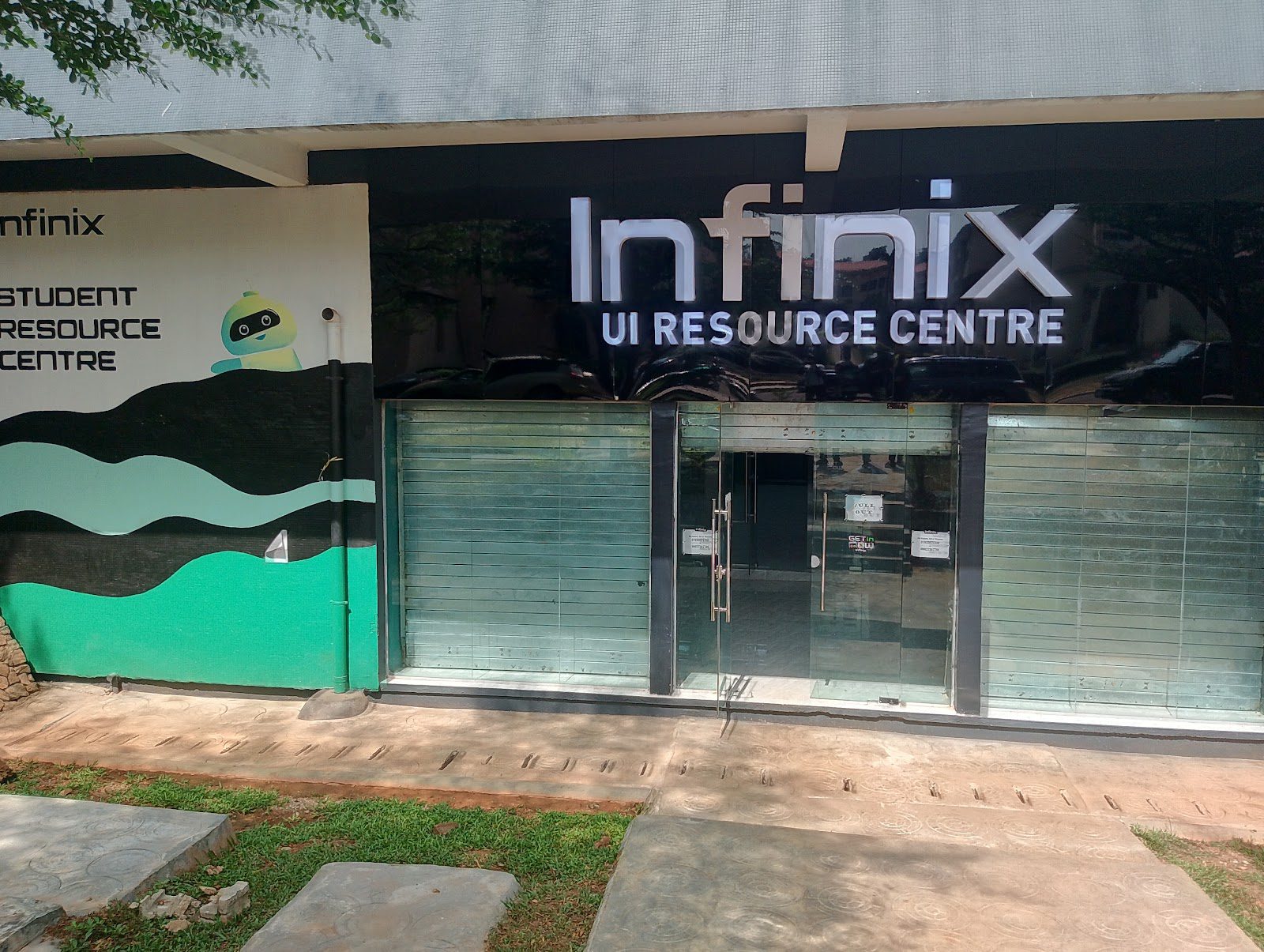
Interestingly though, the centre is equipped with computer systems and the handler of the centre, says the internet will soon be restored. The handler, however, appeals that funders look their way and provide necessities so more students can visit and avail themselves of the facilities.
“It used to be a cyber cafe. Students walk in and do registrations. But, I resumed in 2022, and we wrote to Infinix to help renovate the place. It was opened on June 13, 2024.”
Like a typical co-working space, undergraduate students pay to use the facility, same as post-graduate students; daily.
“The only complaint students have of the place is power. Once power goes off in the school, it affects the place and no one wants to pay money only to be sweating midway into using the place, or be unable to use the systems.”
The handler says they usually ask students to use the systems so they don’t stop working.
The fees students pay are used to take care of the place.
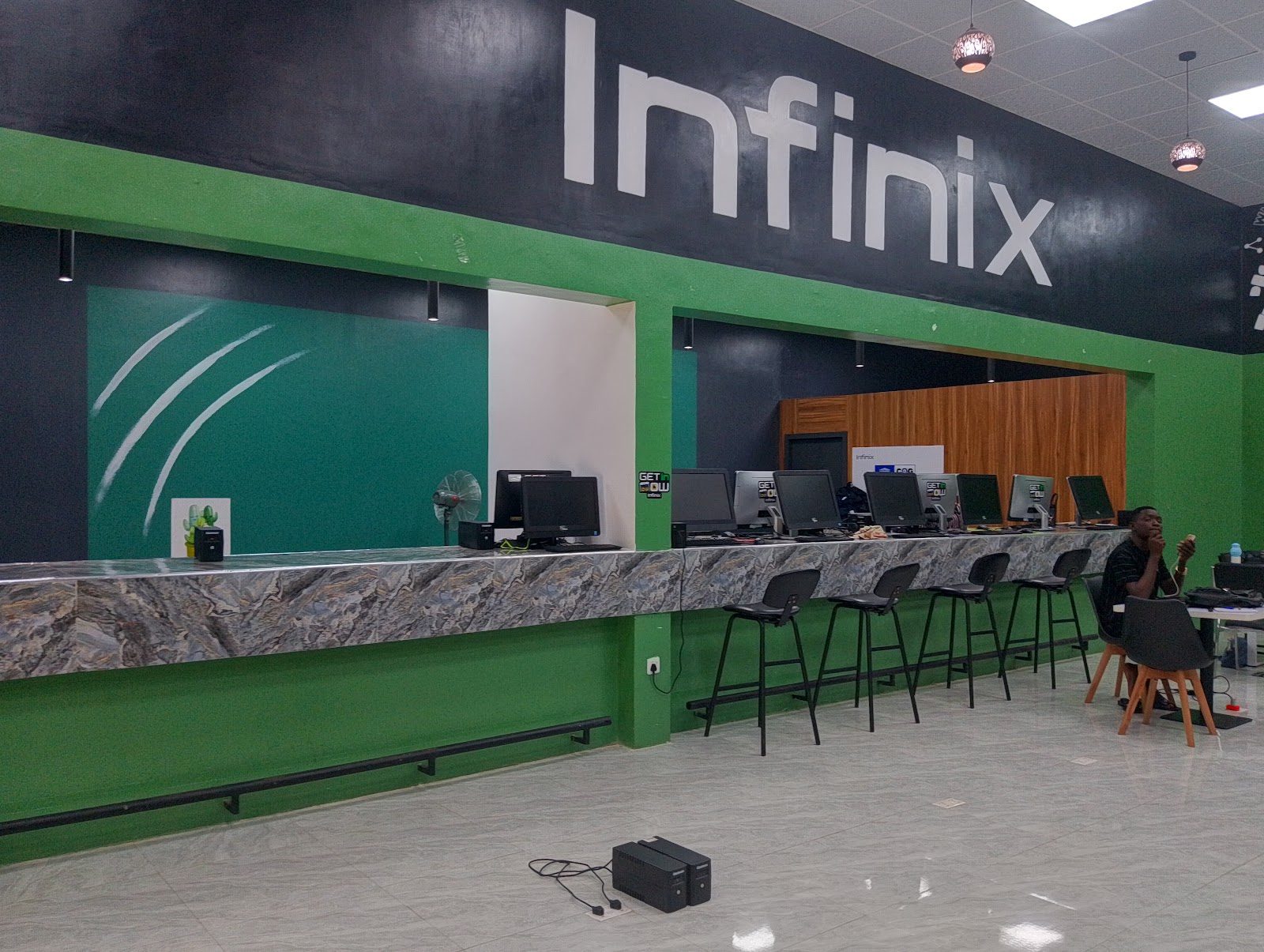
In the next couple of years, the handler hopes the space becomes a proper resource centre that students will consider when doing research, assignments, and final-year projects. They also hope it someday becomes a browsing hub.
Of tech-inclined curriculum and building from nothing
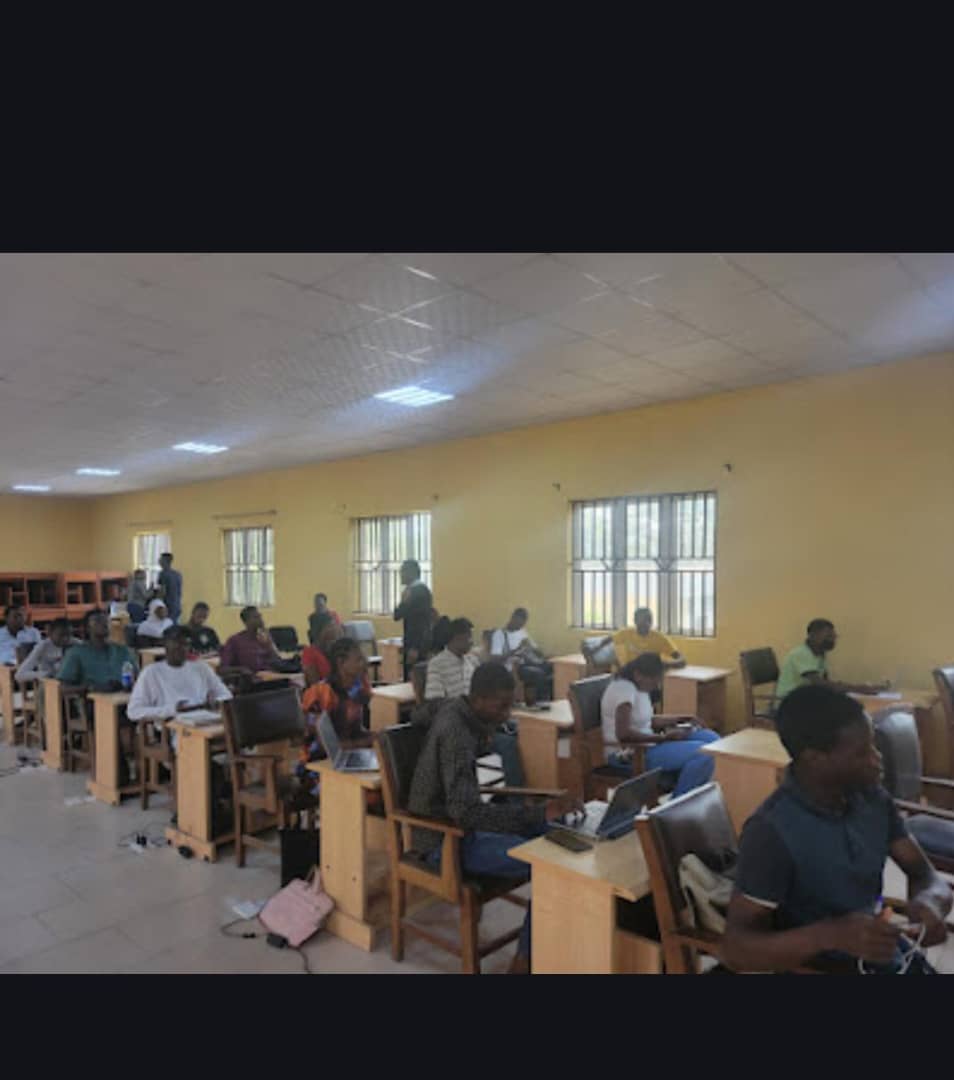
While students rely on the centre for resources, most are limited to what’s available. UI has been making small strides in expanding its tech-related curriculum.
“The curriculum is being revised and updated frequently to follow the new trends in the field,” Amaechi says.
“There have been new additions such as Machine Learning and some AI development courses. Though still at a basic level, the department strives to introduce students to as many new concepts as possible.”
However, financial challenges still exist for students looking to pursue a career in tech.
“The Computer Science field is broad, and when I say broad, I mean broad,” Amaechi explains. “One of the biggest challenges students face is not knowing what to specialise in. People say, ‘Try everything before you choose,’ but realistically, that’s hard to do.”
Another significant issue is balancing academics and tech interests. “Growth in tech requires as much effort as your studies, and most times, it’s a big burden. You also have limited access to certain resources. For example, we are solid in software engineering and networking, but in fields like Machine Learning, AI, Cybersecurity, and DevOps, we fall short in access to practical learning materials. That slows student growth.”
But, it’s not all gloom as Amaechi says there are students creating solutions to actual problems in the school. “My partner and I created an e-commerce platform for students to trade.” The platform isn’t live yet, but Amaechi hopes to connect student traders of UI with consumer students.
“We hope it expands to other schools, but for now, we want to make it work for UI students.”
When asked how the platform will be sustained, Amaechi says the traders will need to pay a flat rate of ₦1,000 to assess the platform.
“We know other platforms like Jiji run on ads, but we don’t want to do that for now. We want to create a platform that doesn’t irritate the traders. Something simple, interesting interface, good design.”
While Amaechi’s project focuses on student traders, another group of students is tackling a different problem: group shopping and international payments.

Collabo, a new student-led initiative, created by Omosebi Enoch, was inspired by the growing need for shared purchasing experiences in e-commerce.
“Many shoppers want to take advantage of bulk discounts, split costs, or collaborate on international orders, but most platforms don’t facilitate this natively,” Omosebi explains.
Collabo acts as a middleman, allowing users to form shopping groups, pool funds, and make purchases together seamlessly. The platform simplifies currency conversion and payment processing, making international shopping easier for students.
“We took a hybrid approach to development, starting as a SaaS that integrates with existing e-commerce platforms before gradually transitioning into a full-fledged marketplace,” one of the developers shares.
While building Collabo, the team encountered several challenges:
- Ensuring smooth payment processing across multiple regions.
- Handling cart limitations on different shopping platforms.
- Developing a collaborative payment system to allow multiple users to contribute to a single order before checkout.
Despite these hurdles, the project is growing, and the team is looking to scale. “We plan to integrate more payment options, expand our services, and eventually launch a mobile app,” they reveal.
At the University of Ibadan, some things never change
We cannot talk about tech culture anywhere without mentioning old systems and the basic services that support it.
As with many other academic institutions across Nigeria, UI has a thriving photocopy and printing services system. A quick visit to the Students Union building will give a view of a lineup of cubicles.
“Photocopy! Passport!” is what greets you as you enter the hub and you’ll be taken to where you’d do your photocopy or printing. Besides that, some cyber cafes – or a sense of that – operate in the building.

Adediran Paul, who offers browsing and photocopying services and has been there six months says students visit his cubicle to browse for their assignments, and projects and do research sometimes.
He has one system he uses for this and students pay according to what they want to do and the time. There is no fixed rate.
On cyber cafes, Amaechi says students do most of their personal and academic tasks on their phones and laptops and do not need to visit a computer centre. From being a booming industry in the early 2000s, the cyber cafe system has dipped in Nigeria so much that no one wants to venture into such a business anymore.
This shift from cyber cafes is largely due to the rise of mobile and freelance work. More students are turning to freelance jobs in fields like design, writing, and software development. However, getting paid remains a huge challenge.
Hence, one UI student, Fadiran Ayomide, came up with a solution: a PayPal workaround for Nigerian freelancers.
“Having noticed the hassle faced by individuals, especially freelancers, in getting payments from clients abroad, we decided to make use of PayPal,” Ayomide explains.
“PayPal is a global payment platform, but it is not accessible in Nigeria. So, we partnered with trusted individuals abroad to make PayPal transactions possible for Nigerians.”

The system allows Nigerian freelancers to receive payments without restrictions. However, challenges exist.
“One of the biggest issues is chargebacks from clients,” the founder says. “We’ve been able to reduce this risk by ensuring that freelancers only receive payments after delivering work.”
The long-term goal is to scale the service into an app integrated with PayPal’s API. “This will allow users to receive funds directly without restrictions,” the team explains.
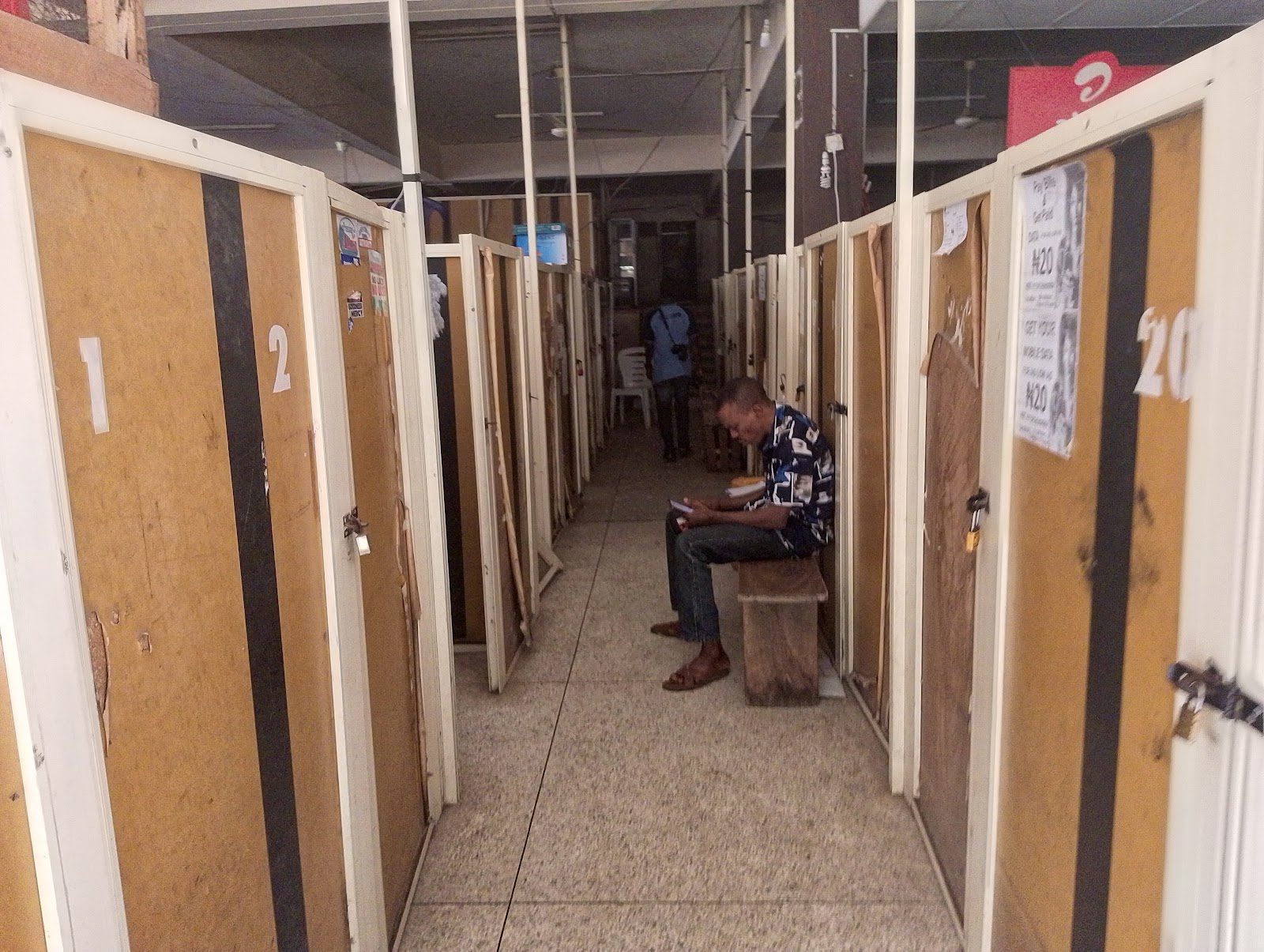
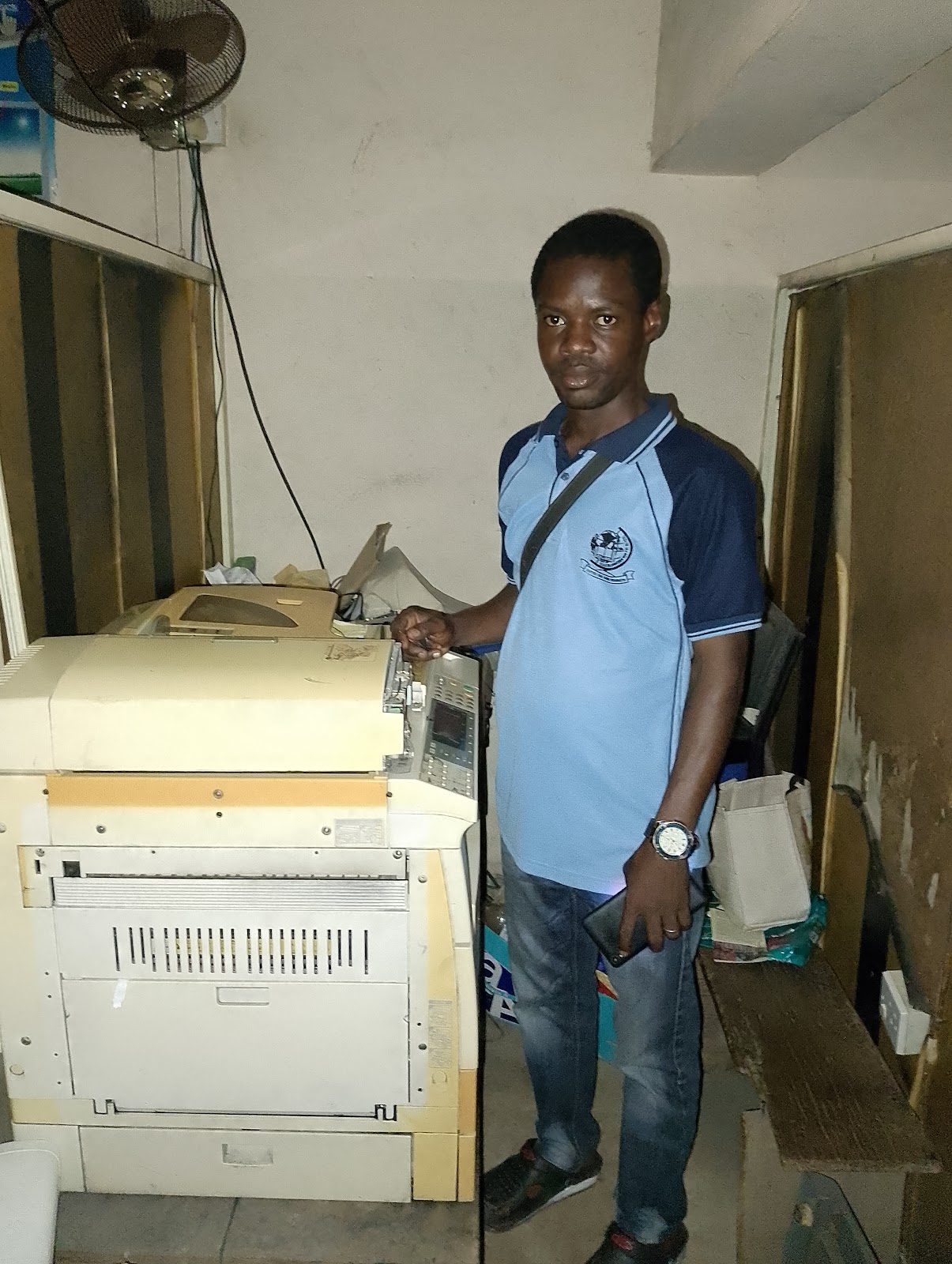
Akintunde Adediran, who offers photocopy services, and has been there for 12 years says nothing has changed all throughout his time there. It’s just a slight upgrade from the machines they used then and now, and the services are free from school management interference except where there’s an issue.
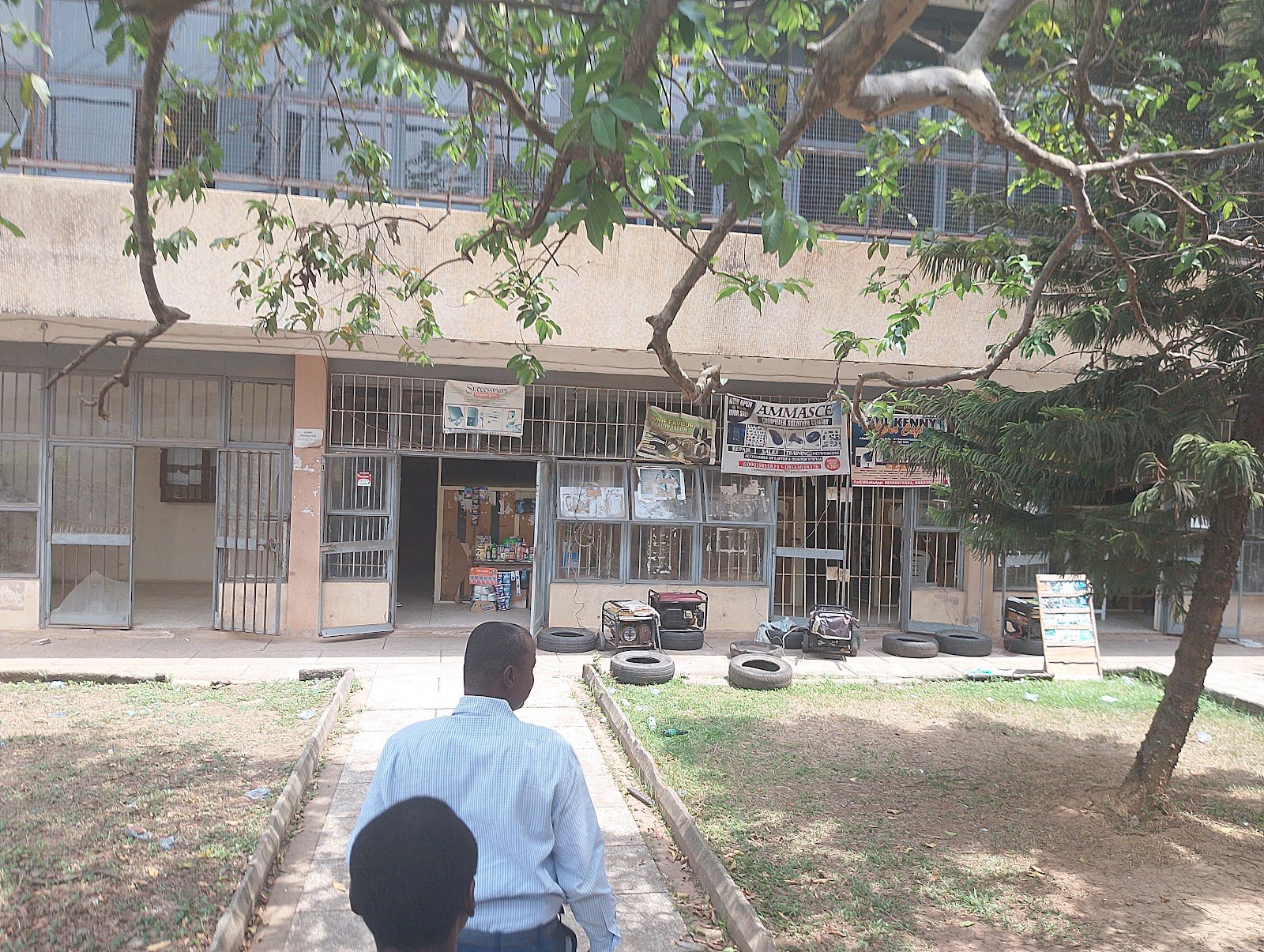
The average rate for photocopying and printing in school can vary depending on the location. However, based on general school standards, here are some rough estimates:
– Photocopying: ₦50 – ₦100 per page (black and white), ₦150 – ₦200 per page (colour).
– Printing: ₦50 – ₦100 per page (black and white), ₦200 – ₦250 per page (colour)
Putting it all together
Despite its challenges, the University of Ibadan’s tech culture is growing, driven by student resilience and innovation. While there are active communities, occasional hackathons, and tech-focused events, they lack the structure and institutional backing needed to thrive. Many students are self-taught, relying on online courses, tech clubs, and external mentorship to develop their skills.
The absence of consistent funding, reliable infrastructure, and well-defined career pathways makes it difficult for students to fully immerse themselves in tech. Yet, UI students continue to find ways to innovate.
For UI (or Ibadan generally) to truly become a tech powerhouse, more investment is needed, not just in curriculum updates, but in structured programs, mentorship, and access to cutting-edge resources. Until then, the students will keep pushing, proving that even in the face of limitations, creativity and determination can still thrive.
