




Sterling Bank Plc, one of Nigeria’s leading financial institutions, has taken a significant step toward promoting sustainable transportation in the country with the launch of a new electric vehicle (EV) charging station in Yaba, Lagos.
This marks a milestone in the bank’s ongoing commitment to fostering environmentally friendly initiatives and supporting Nigeria’s transition to cleaner energy alternatives.
The new EV charging station, strategically located in the bustling Yaba district, a hub for technology, education, and innovation, is expected to serve as a critical infrastructure point for electric vehicle owners in Lagos, Nigeria’s commercial capital.
The facility boasts fast-charging capabilities, designed to cater to the growing number of Electric Vehicle users in the city, and aligns with global efforts to reduce carbon emissions amid rising climate concerns.
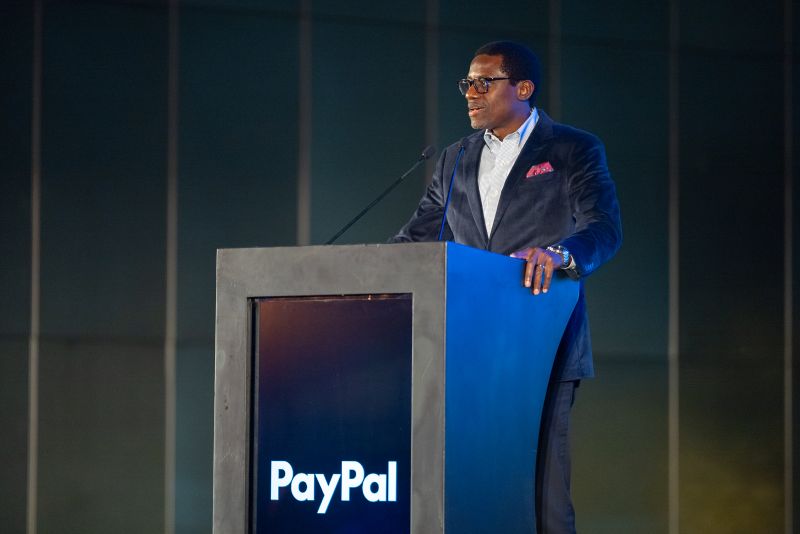
Speaking at the launch event, Sterling Bank’s Managing Director and Chief Executive Officer, Abubakar Suleiman, emphasised the bank’s dedication to driving sustainable development in Nigeria:
“As a forward-thinking institution, Sterling Bank recognises the transformative potential of electric vehicles in addressing environmental challenges and reducing our reliance on fossil fuels,” Suleiman said. “This charging station is not just infrastructure; it is a statement of intent, a commitment to a greener, more sustainable future for Nigeria.”
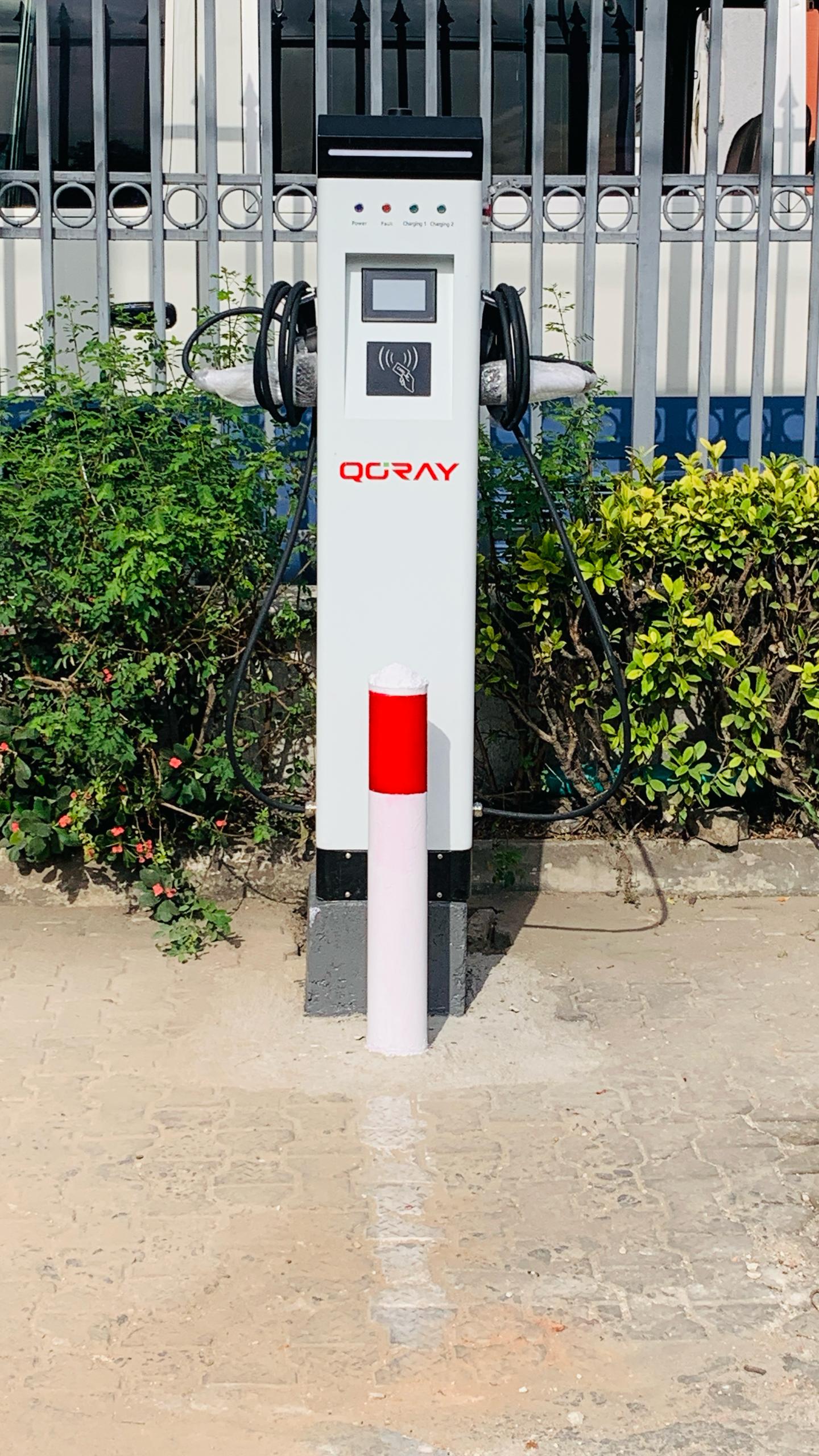
The Yaba charging station is equipped with multiple charging ports capable of servicing various models, and incorporates solar panels to power part of its operations, reflecting Sterling Bank’s focus on renewable energy. Industry experts estimate that the facility can charge up to 20 vehicles daily, with plans to expand capacity based on demand.
Sterling Bank also announced that the station will offer free charging services for the first three months as an incentive to encourage adoption among Lagos residents.
Sterling Bank’s history of EV advocacy
This latest initiative builds on Sterling Bank’s previous efforts to champion electric vehicle adoption in Nigeria, a country where Electric Vehicles remain a nascent but rapidly emerging market. Over the past few years, the bank has positioned itself as a key player in the green mobility ecosystem, leveraging partnerships and innovative financing solutions to make EVs more accessible to Nigerians.
In 2022, Sterling Bank collaborated with local automotive firms to introduce affordable financing packages for electric motorcycles and tricycles, targeting the country’s vast population of commercial riders.
The initiative aimed to reduce the transportation sector’s carbon footprint, given that motorcycles and tricycles account for a significant portion of urban mobility in Nigeria. The bank provided low-interest loans and flexible repayment plans, enabling hundreds of riders to transition from petrol-powered bikes to electric alternatives.
Additionally, in 2023, Sterling Bank partnered with the Lagos State Government to pilot an EV awareness campaign, which included workshops, exhibitions, and test-drive events to educate the public about the benefits of electric vehicles.
The campaign, dubbed “Drive Green Lagos,” sought to dispel myths about electric vehicles, such as high costs and limited range, while showcasing their long-term economic and environmental advantages. The bank also sponsored the installation of two charging points in Ikeja and Victoria Island during the pilot phase, laying the groundwork for the Yaba launch.

These efforts have not gone unnoticed. Environmental advocates and industry stakeholders have praised Sterling Bank for its proactive role in addressing Nigeria’s energy and transportation challenges.
The launch of the Yaba charging station comes at a pivotal moment for Nigeria’s EV sector. While the country lags behind global leaders like China and Europe in EV adoption, recent developments signal growing interest.
The Federal Government’s 2021 National Automotive Industry Development Plan (NAIDP) included provisions to incentivise EV production and usage, such as tax breaks and import duty waivers. However, challenges like inadequate charging infrastructure, high electricity costs, and limited consumer awareness have slowed progress.
Sterling Bank’s latest move is seen as a timely intervention to address one of these key barriers: the lack of charging stations. With Lagos alone accounting for over 60% of Nigeria’s vehicle population, experts say urban centres like Yaba are ideal locations for such facilities. The bank has hinted at plans to replicate the Yaba model in other cities, including Abuja and Port Harcourt, as part of a broader EV infrastructure rollout.
