


Ride-hailing platforms have become an essential part of Nigeria’s transportation landscape, offering convenience, flexibility, and affordability. Yet, beneath this seemingly seamless service lies growing dissatisfaction among users, with safety concerns and driver misconduct emerging as recurring issues. Recent allegations involving drivers on the inDrive platform have brought these concerns to the forefront, raising questions about the company’s accountability and user protection mechanisms.
On March 20, a user, @sea_4_mgodz, shared a harrowing experience that has sparked widespread outrage. She recounted booking an inDrive ride from her home to Midas, only to have the trip end in an alleged assault. According to her, the original fare was set at ₦6,500, but after the driver mistakenly took her to a different Midas location, she agreed to pay ₦8,000. However, the driver reportedly demanded more, claiming the trip should cost nearly ₦10,000.
When she refused to pay the additional charge and attempted to walk away, the driver allegedly followed her, grabbed her bag, and used its strap to whip her.
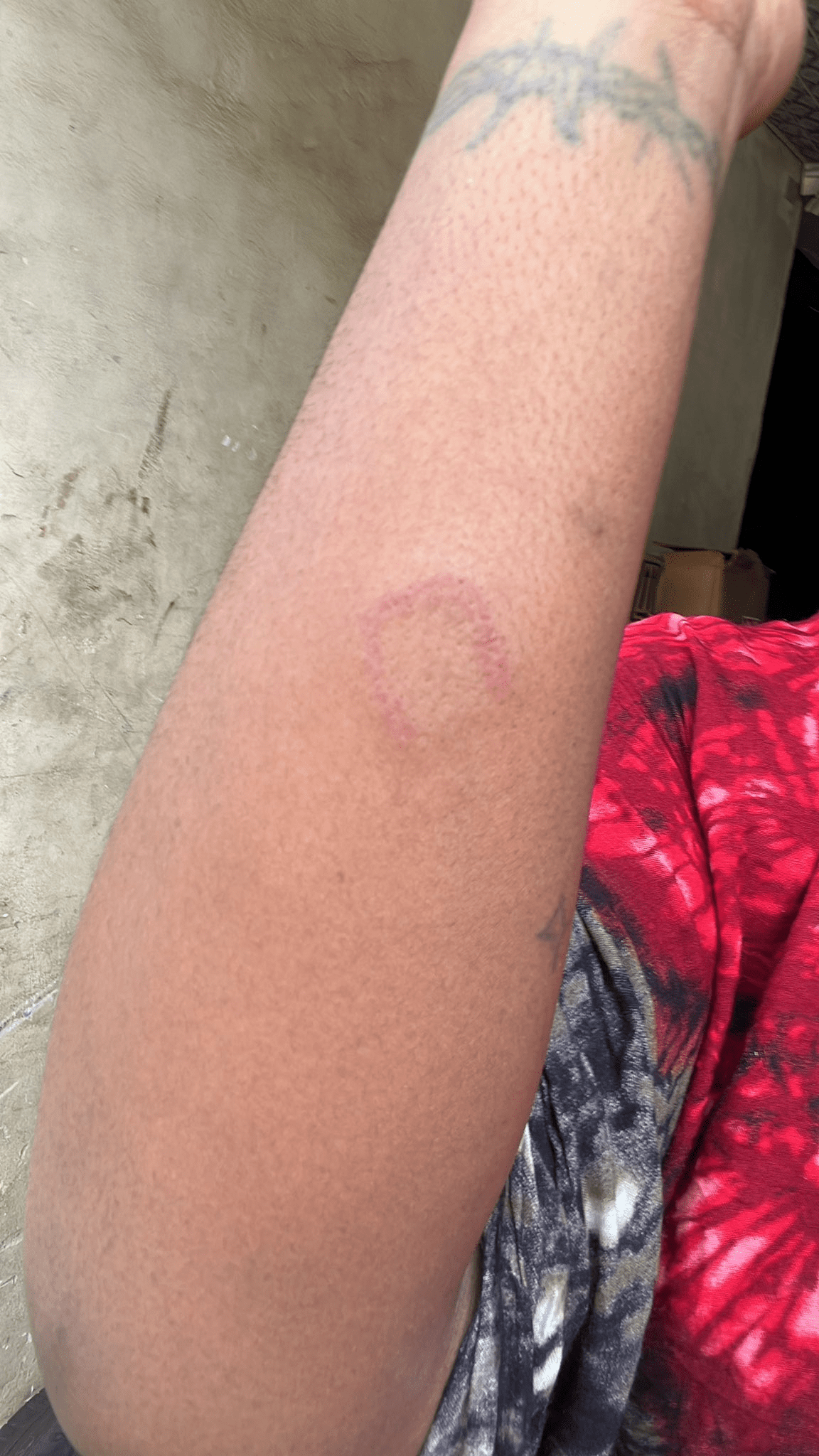
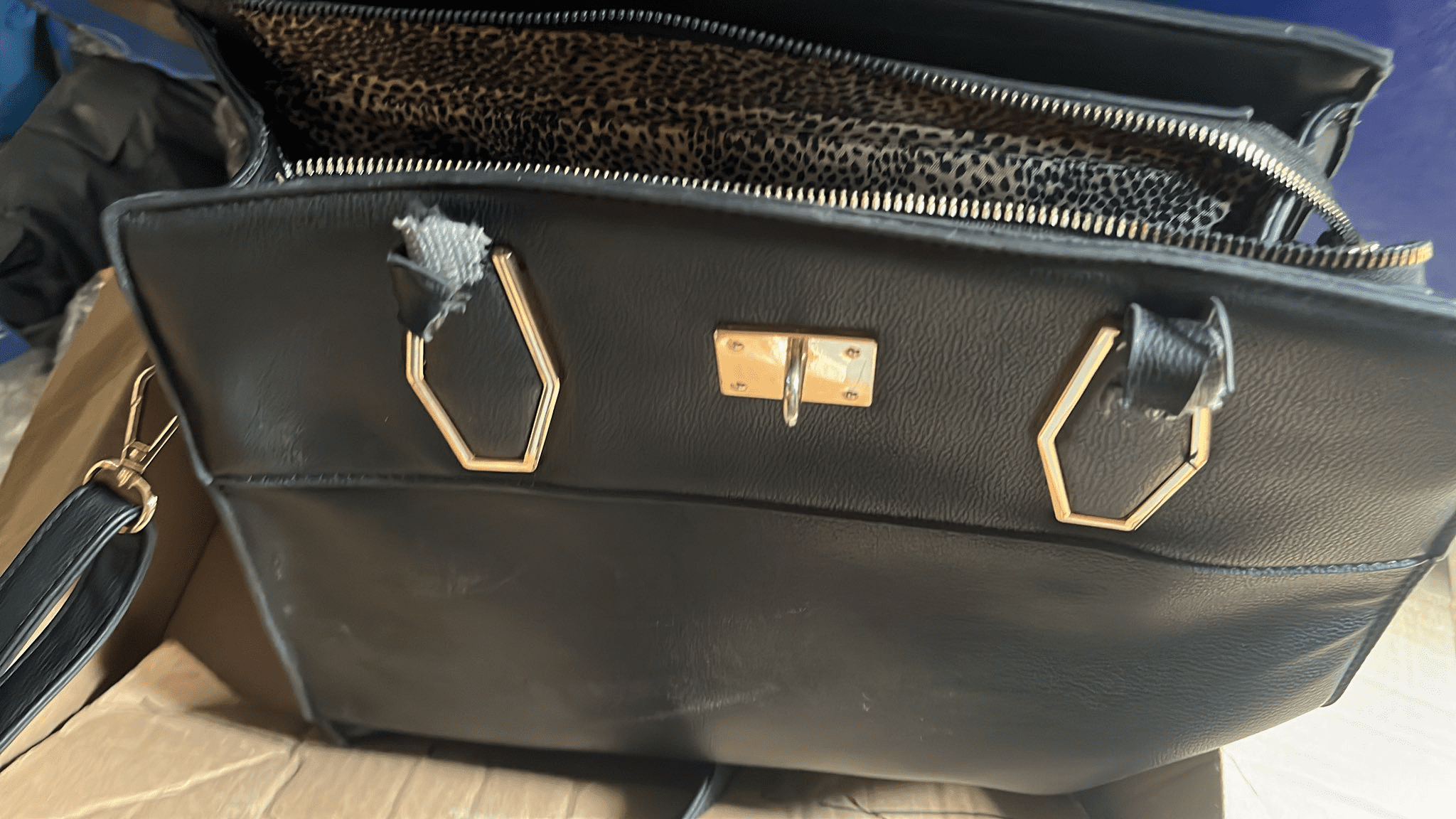
“He’d have beaten me if men hadn’t come to hold him down and drag him away,” she wrote.
The incident didn’t end there. As he left, the driver allegedly threatened her, saying he knew her house and that she hadn’t seen the last of him.
This account quickly gained traction on social media, with many expressing outrage at the alleged assault and demanding accountability from inDrive. The driver, however, posted a rebuttal, accusing the rider of distorting the facts to gain sympathy.
“It’s so unfortunate that you came here to play victim… That’s what you ladies do,” he wrote, offering no substantial evidence to counter the allegations.
Read also: inDrive kicks out driver for assaulting female passenger in Lagos, AUATON intervenes
A ride turns into harassment
Just days earlier, on March 12, another user, @shelovesore, detailed a disturbing encounter with an inDrive driver during a trip from Airport Road to Ajah. The ride was initially priced at ₦15,700, but the driver requested a “round-up” to ₦16,000 before starting the trip. Upon reaching the destination, her father transferred the agreed amount to the driver. However, the situation escalated when the driver allegedly demanded ₦20,000, citing time spent in traffic as justification.
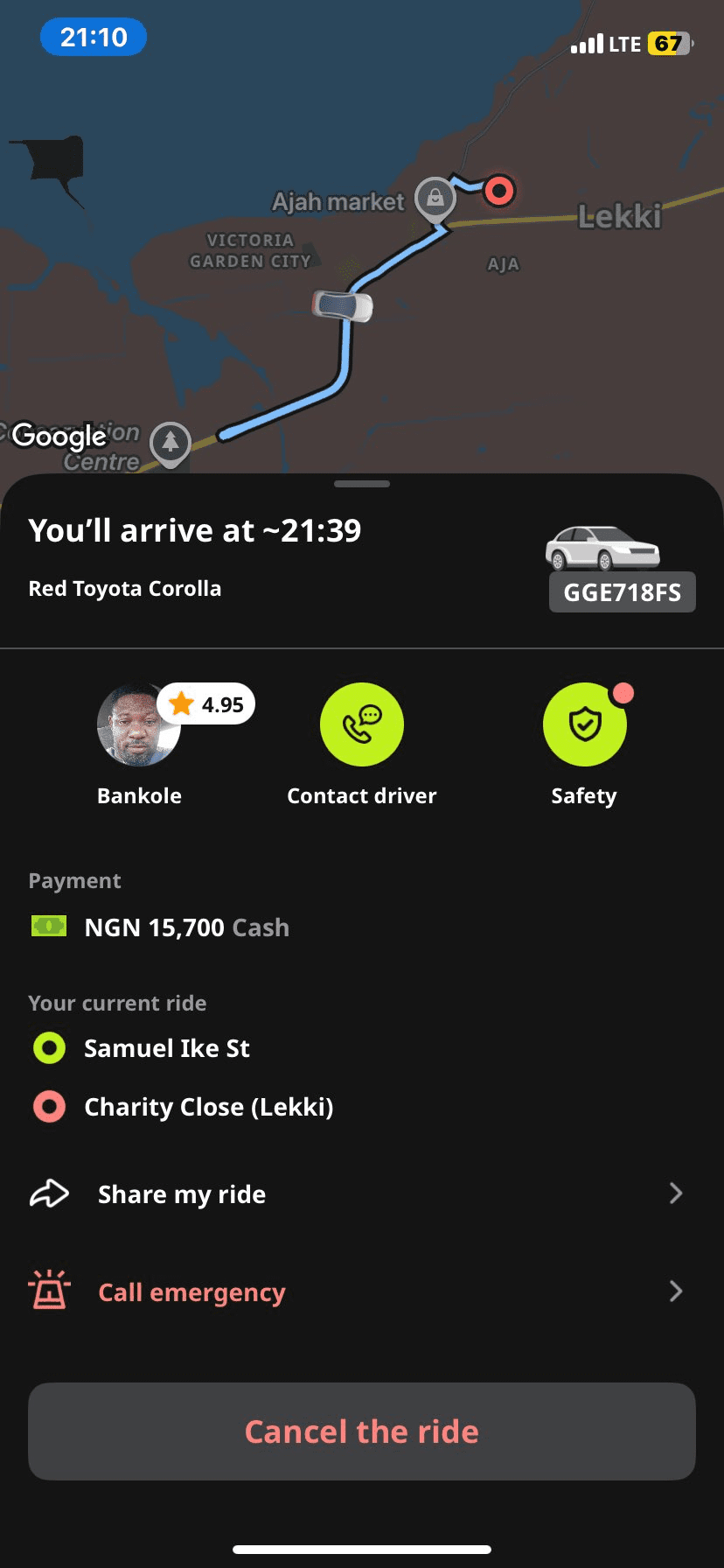
When she refused to pay the additional ₦4,000, the driver reportedly refused to release her luggage and began creating a scene in her estate.
“This man started harassing me in my whole estate, calling the attention of my neighbours,” she wrote. The driver allegedly blocked her from entering her compound and assaulted her when she tried to move past him.
The incident left the user traumatised. “Honestly, recounting the whole incident is still disturbing,” she said. Her frustration extended to inDrive, with whom she expressed dissatisfaction for allegedly failing to conduct proper evaluations of their drivers.
Harassment over a review
The third case, reported on March 19 by @uxtobiaf, highlights the retaliation some users face for providing honest feedback. Another user claimed that an inDrive driver harassed her over a negative review she left after a ride. According to her, the driver and his friends bombarded her with calls and even doxxed her on Facebook, exposing her personal information online.
“Posting this here just so everyone can be aware that @inDrive employs drivers who harass you and send their friends to harass you over a review,” she wrote.
The incident underscored the lack of safeguards for users who rely on ride-hailing services to commute safely.
A pattern of misconduct
These three incidents, though separate, reveal troubling patterns that raise broader concerns about safety and accountability within InDrive’s operations. Riders have alleged misconduct ranging from physical assault to harassment and intimidation, with little to no evidence of timely intervention from the company.
inDrive’s unique business model allows riders and drivers to negotiate fares directly, offering flexibility that appeals to many users. However, this decentralised approach appears to leave significant gaps in oversight and conflict resolution. Critics argue that while the platform may prioritise affordability, it does so at the expense of user safety and satisfaction.
Social media platforms have become the primary avenue for users to voice their grievances, with many calling out InDrive for its perceived lack of accountability. One user wrote, “You can’t promise a seamless ride and leave customers to fend for themselves when things go wrong.” Another lamented the absence of a robust support system, saying, “It’s like shouting into a void. You don’t know if anyone at inDrive is even listening.”
The recurring theme across these incidents is the inadequacy of conflict resolution mechanisms. None of the users mentioned receiving satisfactory responses from the platform, leading them to share their stories online instead. For a service that relies on trust, the apparent disconnect between the platform and its users is a significant red flag.
inDrive has yet to release an official statement addressing these specific allegations, but they respond to the stories shared on X. Yet, a user claims even after inDrive responded and she provided details on February 26, they have not responded to date.

“inDrive is very very useless, after I complained of assault on the TL they responded to me days after that. I went to their DM to provide information so they’ll follow it up and these guys have not responded to me till today What if their Driver killed me?”
Yet, in an emailed response to Technext, addressing the allegations of misconduct involving drivers on its platform, the company provided clarity on the steps it takes to ensure safety and accountability.
Read also: “Our service is a necessity, not a luxury” – inDrive drivers defend no AC in rides
inDrive emphasised its fare negotiation model, which it claims fosters transparency and mutual agreement between riders and drivers. To minimise disputes, inDrive says it has established community guidelines and in-app support features to facilitate smooth communication. The company’s customer support team operates 24/7 to mediate disagreements, whether during or after a ride.
Addressing concerns about retaliation following negative reviews, inDrive noted its strict policy against harassment and intimidation.
According to the company, feedback from both drivers and passengers is actively monitored and plays a crucial role in vetting users and supporting investigations.
“Receiving low ratings has significant consequences for drivers,” the statement read. Drivers with consistently poor ratings risk warnings, suspensions, or even permanent bans from the platform. inDrive says it also allows both riders and drivers to report incidents anonymously, ensuring that complaints are reviewed thoroughly and appropriate actions are taken.
In cases involving alleged assault or other serious misconduct, the company reiterated its zero-tolerance stance. inDrive explained that internal investigations are conducted for such incidents, and collaboration with law enforcement or external experts is initiated when necessary to ensure a fair and impartial review.
inDrive further outlined its long-term vision to enhance safety on its platform. Continuous improvements to safety features, stronger user protections, and refined policies based on community feedback remain at the core of its operations.
“We remain committed to fostering a safe, transparent, and reliable platform for all users,” the company stated.
