






At least seven journalists from the Ethiopian Broadcasting Service (EBS) have been detained on terrorism allegations following the airing of a controversial documentary. This has raised renewed concerns about press freedom in the East African country.
The arrests, confirmed by the Committee to Protect Journalists (CPJ) late Wednesday, follow a March 23, 2025, episode of the program “Addis Meiraf,” where a woman, Birtukan Temesgen, alleged she was abducted and raped by men in military uniforms in 2020 while she was a student.
The story has since taken a dramatic twist, with Birtukan retracting her claims on state television and the EBS founder issuing an apology. Yet, the fallout has spotlighted Ethiopia’s ongoing struggle with media suppression and human rights.
According to the court documents, Ethiopian police allege that the detained journalists, Nebiyu Tiumelissan, Tariku Haile, Hilina Tarekegn, Niter Dereje, Girma Tefera, Henok Abate, and Habtamu Alemayehu, sought to “incite conflict, threaten the constitutional order, and overthrow the government” in coordination with “extremist” groups in the Amhara region.
The arrests took place between March 26 and March 28, following a police raid on EBS headquarters in Addis Ababa that briefly forced the station off air. Birtukan, the supposed victim, was also detained, and all parties have been remanded in custody for a 14-day investigation period.

The episode in question showed claims that Birtukan was abducted and raped in 2020, with observers suggesting the incident may have been linked to Dambi Dollo University in western Oromia state, where ethnic Amhara students were reportedly kidnapped in 2019.
However, the university has since denied that Birtukan was ever enrolled there.
Birtukan appeared on the state-owned Ethiopian Broadcasting Corporation on March 27 to retract her allegations and admitted that they were fabricated. The following day, EBS founder Amman Fissehazion publicly apologised, stating the station discovered the claims were untrue after the broadcast.
Despite this, authorities moved swiftly to detain the journalists, prompting criticism from press freedom advocates.
“Arresting journalists on terrorism allegations is a disproportionate response to concerns over lapses in journalistic ethics, particularly as EBS has already faced regulatory sanction,” said Muthoki Mumo, CPJ’s Africa Program Coordinator.
The Ethiopian Media Authority suspended “Addis Meiraf” on April 1, pending “corrective actions”, adding a layer of administrative penalty to the legal action. Mumo and other critics argue that such measures should fall under Ethiopia’s media laws, which provide for civil and administrative remedies, rather than the heavy-handed anti-terrorism legislation been repeatedly used to silence dissent.
Ethiopia’s clampdown on press freedom
Ethiopia, ranked 141st out of 180 countries in the 2024 Reporters Without Borders (RSF) World Press Freedom Index, has long faced accusations of repressing dissenting voices. The RSF report highlights “widespread self-censorship” among journalists, driven by a polarised media landscape and a history of government crackdowns.
The latest detentions add to a troubling tally: according to a 2024 CPJ report, at least 92 media workers were detained between 2019 and 2024, with Ethiopia ranking as the second-worst jailer of journalists in sub-Saharan Africa, behind Eritrea.
Human rights NGOs have consistently criticised the government for leveraging vague terrorism charges to stifle independent reporting, particularly amid ongoing conflicts.
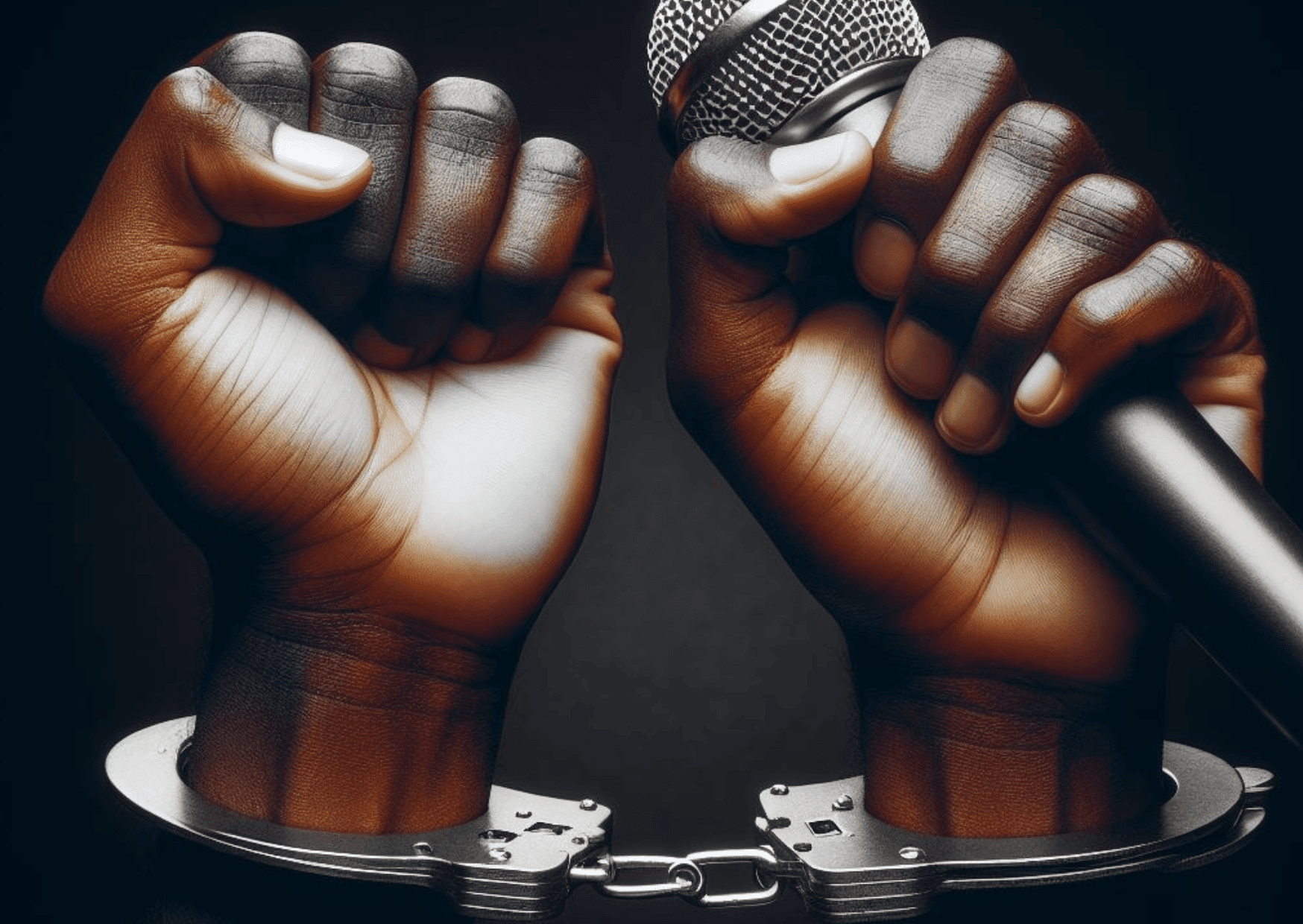
The arrests come against the backdrop of escalating violence in the Amhara region, Ethiopia’s second-most populous area. In April 2023, the Fano militia, once allies of the federal government during the Tigray war, turned against Addis Ababa, launching an armed rebellion after the government moved to dismantle regional forces.
A state of emergency imposed from August 2023 to June 2024 failed to quell the unrest, and in September 2024, authorities deployed military reinforcements. Today, large swathes of Amhara remain outside federal control, with fighting intensifying in the past weeks. The government has accused the Fano and associated “extremist” groups of destabilising the region, a narrative that appears to underpin the charges against the EBS journalists.
The journalists’ lawyers argue that any editorial missteps should be addressed through media regulations, not anti-terrorism laws, which carry severe penalties, including lengthy prison terms or, in extreme cases, the death penalty.
The case has drawn international attention, with groups like Amnesty International and RSF calling for the journalists’ release and unfettered access for independent investigators to probe rights abuses in Amhara.
