





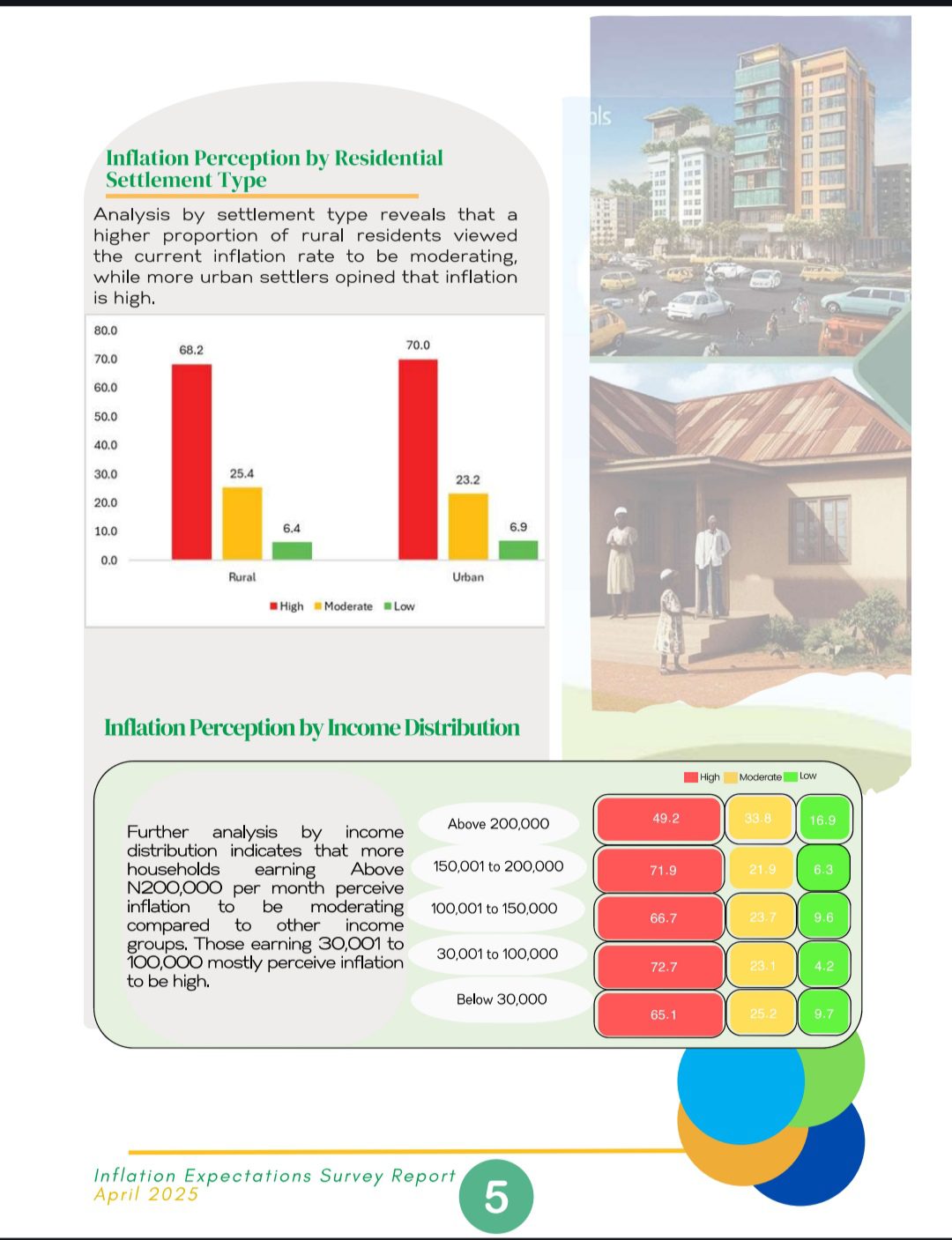
A recent survey by the Central Bank of Nigeria (CBN) has uncovered a stark divide in how Nigerians perceive inflation, with rural residents reporting a sense of easing price pressures while urban dwellers continue to grapple with the burden of rising costs.
The April 2025 Inflation Expectations Survey, conducted among businesses and households from April 21-25, 2025, underscores the uneven economic sentiment shaping Nigeria’s inflation outlook.
The CBN’s survey, which sampled 1,750 businesses and 1,650 households across all 36 states and the Federal Capital Territory, found that rural respondents were more optimistic about price stabilisation compared to their urban counterparts.
Specifically, rural households reported a perception that inflation, which has been a persistent challenge in Nigeria, is beginning to moderate, potentially due to localised factors such as agricultural productivity or reduced exposure to imported goods.
In contrast, urban respondents, particularly in cities like Lagos and Abuja, expressed ongoing concerns about escalating costs for essentials like food, fuel, and housing, which continue to strain household budgets.
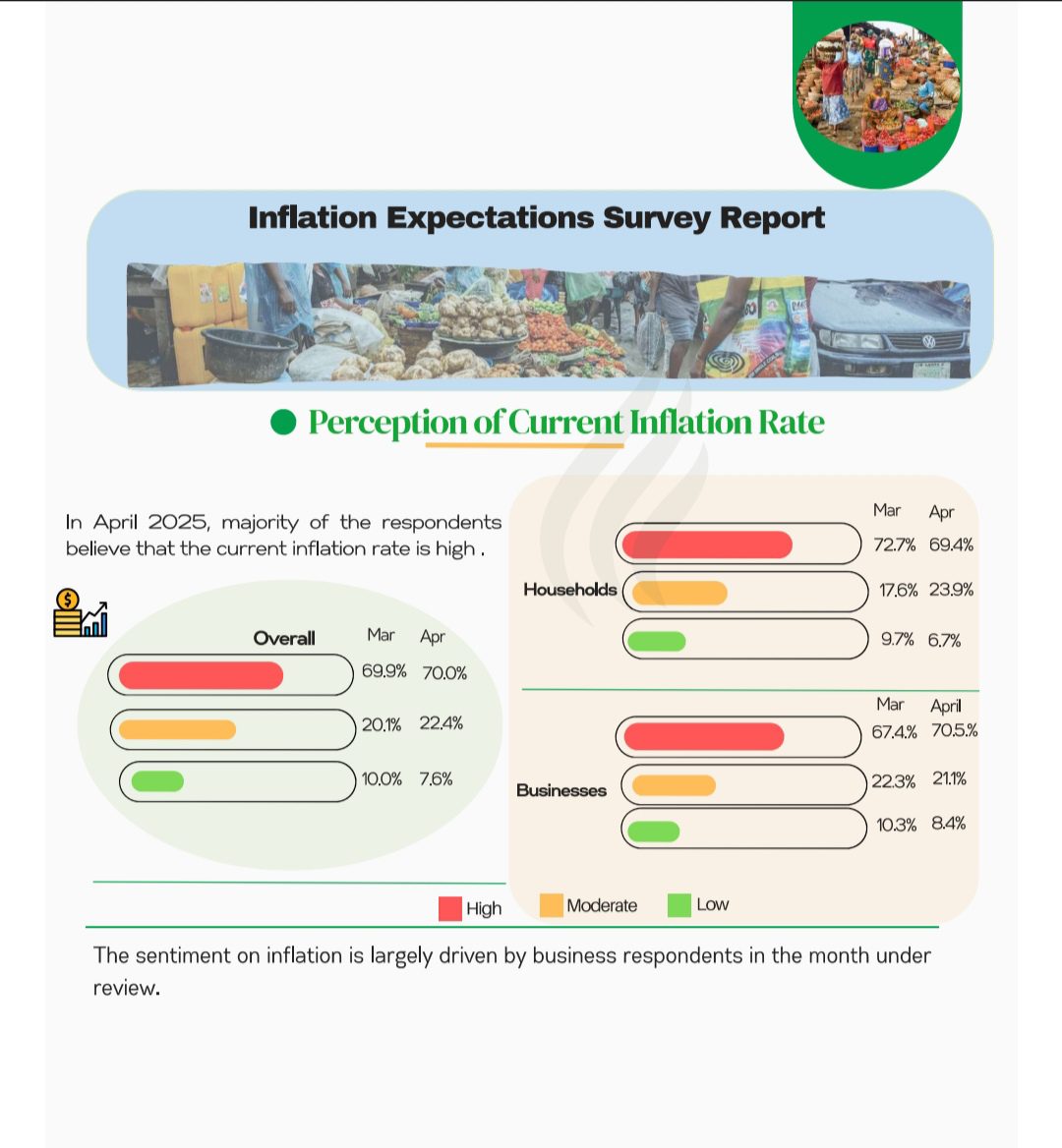
This urban-rural divide forms the crux of the CBN’s findings, reflecting broader economic dynamics in a country where inflation has been a dominant issue.
According to the National Bureau of Statistics, Nigeria’s headline inflation rate reached 34.19% in June 2024, a significant jump from 22.79% in June 2023, driven by factors such as energy costs and exchange rate volatility.
The CBN survey suggests that while macroeconomic pressures persist, perceptions of their impact vary widely based on geography and socioeconomic context.
Impact of businesses on inflation
The survey’s business confidence index on price changes indicates that firms expect input and output prices to rise over the next six months, with 44% of respondents anticipating higher costs due to energy and exchange rate challenges.
However, sectors like agriculture and small-scale manufacturing in rural areas reported slightly more optimism, expecting stable or marginally lower price pressures, possibly tied to seasonal harvests or localised supply chains. Urban-based businesses, particularly in retail and services, were less optimistic, citing high operational costs and consumer demand challenges as ongoing hurdles.
The survey also looked into consumer behaviour. It reveals that households expect to allocate a significant portion of their income to food and essentials in the coming months. Notably, the CBN report echoes earlier findings from September 2024, when it projected that Nigerians would spend 54.9% of their income on food alone over six months.
This trend underscores the inflationary burden on households, particularly in urban centres where access to locally produced goods is limited, and reliance on imported or processed products drives up costs.
On the policy front, the CBN survey comes when the bank is under pressure to balance inflation control with economic growth. Recent X posts from notable Nigerian media platforms indicate that businesses are bracing for higher interest rates, with the CBN signalling tighter monetary policy to curb inflation.
The survey’s findings could inform these decisions as policymakers weigh the differing experiences of rural and urban populations.
For instance, initiatives to boost agricultural productivity or stabilise energy prices could disproportionately benefit rural areas, while urban-focused measures might prioritise foreign exchange reforms or subsidies for essential goods.
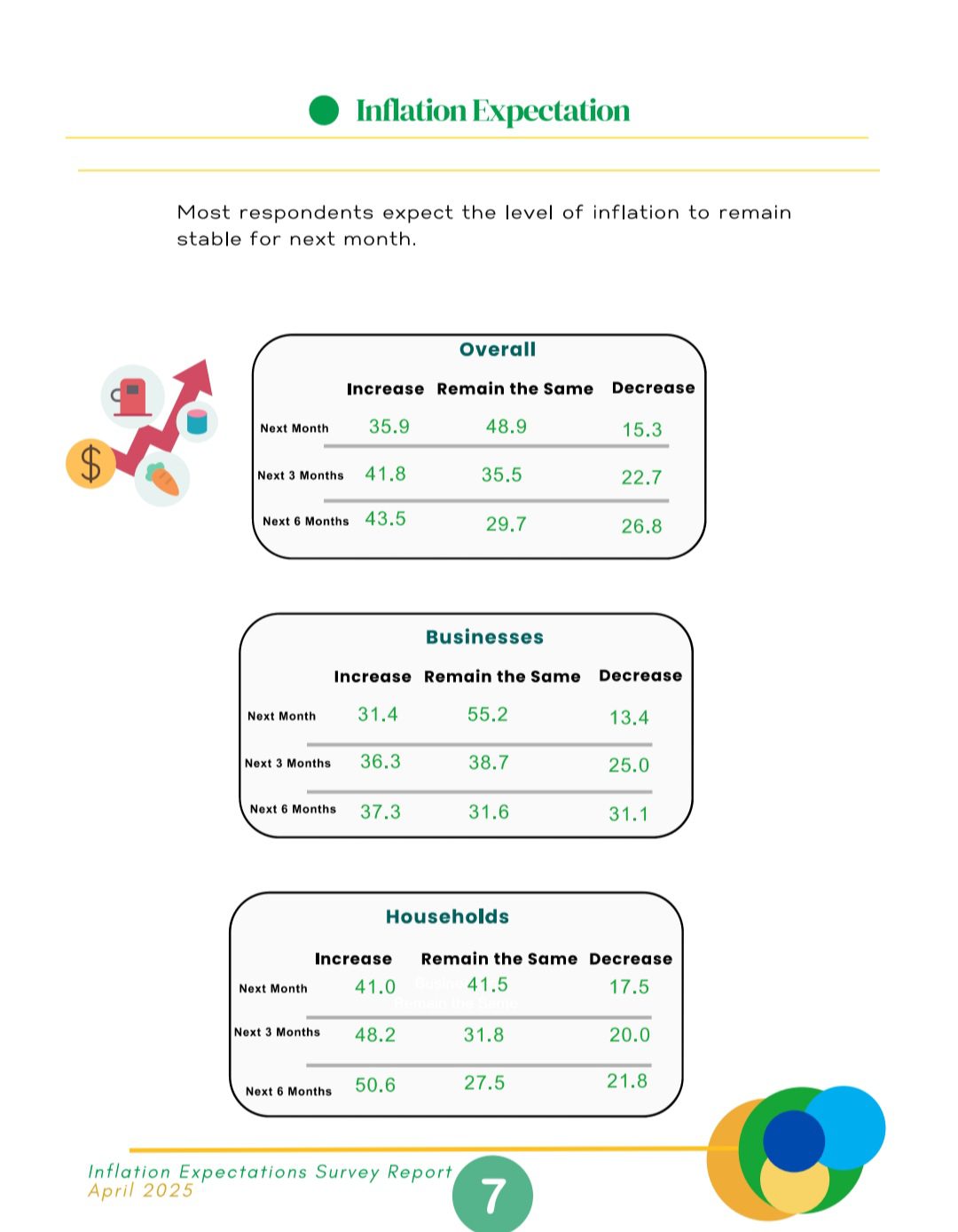
The survey also touched on inflation expectations, with households and businesses projecting a modest price hike in over three to six months. The overall inflation expectation index stood at 2.1 points, slightly lower than the previous quarter, suggesting a cautious optimism among some respondents.
However, urban households were more pessimistic, with 38% expecting inflation to accelerate, compared to 29% in rural areas. This divergence could influence consumer spending and saving patterns, with urban dwellers potentially cutting back on non-essential purchases to cope with rising costs.
As Nigeria navigates its economic challenges, the CBN’s findings underscore the importance of understanding regional differences in inflation’s impact. The survey’s methodology, which used a stratified random sampling approach and covered diverse sectors, ensures a robust representation of Nigeria’s economic landscape.
However, analysts caution that perception-based surveys, while valuable, must be complemented by hard data on price movements and purchasing power.
For now, the CBN’s report paints a complex picture of a nation grappling with inflation but experiencing it in markedly different ways. As rural Nigerians find some relief in easing price pressures, urban residents continue to feel the weight of economic strain, a divide that will likely shape policy debates and economic strategies in the months ahead.
