






PalmPay, a leading African fintech and digital banking platform, is reportedly in talks to raise between $50 million and $100 million in a Series B funding round, according to sources familiar with the matter. This move comes as the company, which has already secured nearly $140 million in seed and Series A rounds, aims to deepen its dominance in Nigeria, expand its business-focused offerings, and scale operations across Africa and Asia.
While the exact valuation for this round remains undisclosed, PalmPay’s 2021 Series A positioned it just below unicorn status, marking it as one of Africa’s most valuable companies. It is thus expected that the company could achieve unicorn status with its next raise.
Founded in 2019, the financial technology company has emerged as a powerhouse in Nigeria’s fintech ecosystem, capitalising on the country’s large unbanked population. Unlike traditional banks, which primarily serve salaried or formal-sector clients, PalmPay has built a digital-first platform tailored to the informal economy. Its mobile app offers instant onboarding, zero-fee transfers, and a suite of services including credit, savings, insurance, and bill payments, making financial services accessible to millions.
The company’s hybrid model, blending a user-friendly app with a vast network of over 1.1 million agents and merchants, has driven its meteoric rise, with 35 million registered users and 15 million daily transactions as of May 2025.
Its financial trajectory underscores its appeal to investors. The company reported $64 million in revenue in 2023, a figure that has more than doubled since, according to insiders. This growth, coupled with profitability, positions PalmPay as a standout in Africa’s competitive fintech landscape.
The Financial Times recently ranked PalmPay as the fastest-growing fintech and second overall in its 2025 list of Africa’s Fastest-Growing Companies, citing a compound annual growth rate (CAGR) of 583.6% from 2020 to 2023. This achievement highlights PalmPay’s ability to scale tech-enabled financial services while driving financial inclusion.
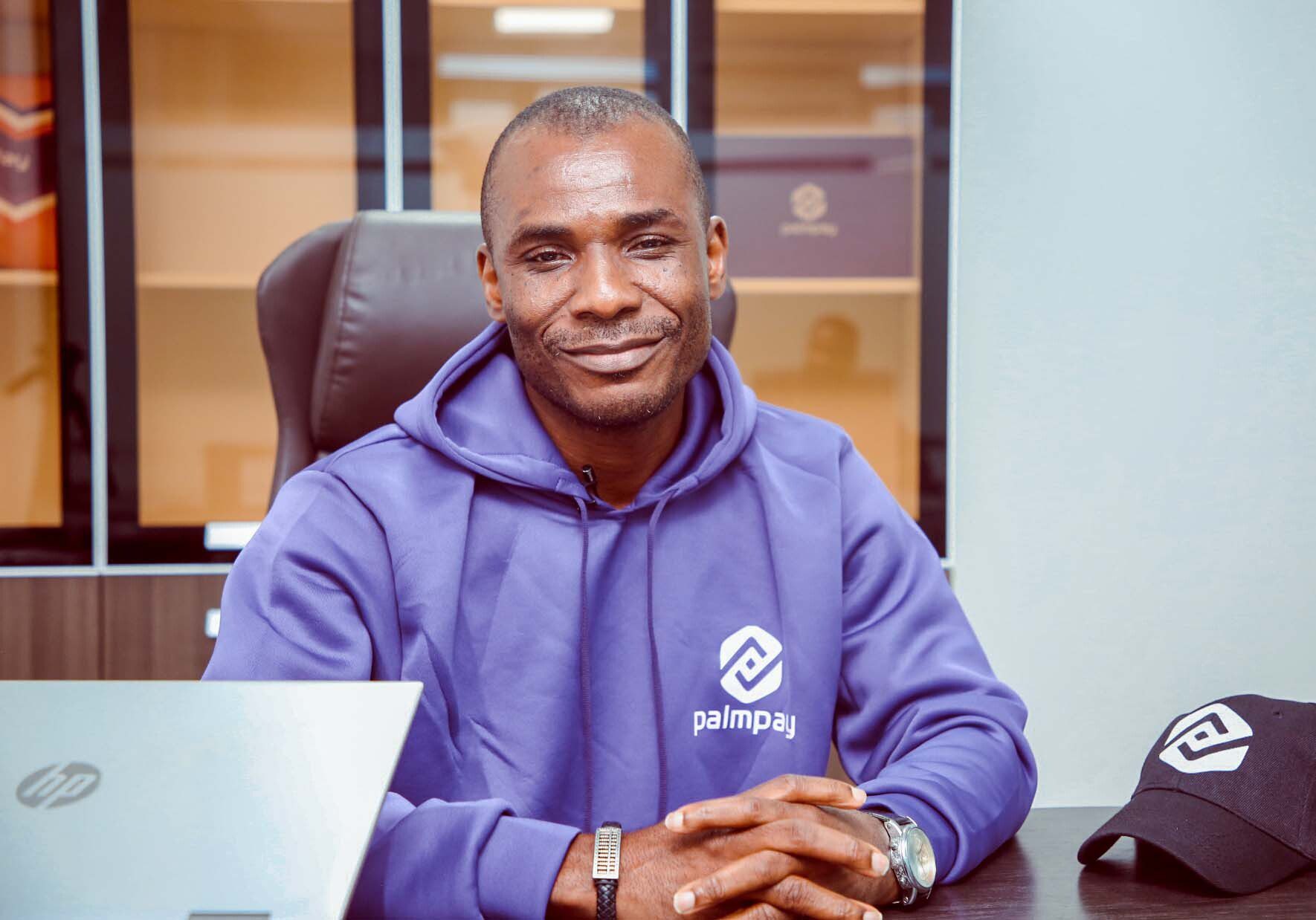
The fintech’s dominance in Nigeria is further evidenced by its claim to process more transactions than any traditional bank in the country. Notably, 25% of its users report PalmPay as their first-ever financial account, with 60% of borrowers accessing credit for the first time through its platform, offered in partnership with licensed lenders. This focus on underserved populations has cemented PalmPay’s role in Nigeria’s digital transformation, rivalling peers like OPay, Moniepoint, and Paga.
PalmPay’s strategic partnerships and market expansion
A key driver of PalmPay’s success is its strategic partnership with Transsion Holdings, the Chinese smartphone giant behind brands like Tecno and Infinix, which commands over 40% of Africa’s smartphone market. By pre-installing its app on select financed devices, it has significantly boosted user acquisition and engagement.
This partnership, which began with Transsion leading PalmPay’s seed round, remains a cornerstone of its growth strategy, though the company is now exploring collaborations with additional original equipment manufacturers (OEMs). Other notable investors include GIC, Singapore’s sovereign wealth fund, and MediaTek, a global leader in mobile chipsets.
Its ambitions extend beyond Nigeria. The company has already entered Tanzania, Ghana, and Bangladesh (its first market outside Africa) and plans to expand into South Africa, Côte d’Ivoire, Uganda, and Kenya by the end of 2025. In Bangladesh, PalmPay is leveraging device financing and consumer credit as entry points, a strategy it plans to replicate in Nigeria.
This approach mirrors that of other African fintechs like FairMoney, MNT-Halan, and TymeBank, which have ventured into Asia with mixed results. PalmPay’s “super app” model, integrating payments, banking, investment, and insurance through partnerships with firms like Leadway Assurance and ARM, aims to replicate its Nigerian success in these new markets.

On the business side, PalmPay has introduced cross-border payment solutions for merchants, enabling seamless transactions across Nigeria, Kenya, and Tanzania, with South Africa next in line. This service, which processes “hundreds of millions of dollars monthly”, addresses a critical pain point for African merchants seeking efficient cross-border payment systems. The company’s B2B offerings, including streamlined collections and disbursements, further enhance its appeal to businesses targeting African consumers.
Challenges and opportunities
Despite its rapid growth, PalmPay faces challenges, including regulatory scrutiny. In 2024, the Central Bank of Nigeria (CBN) temporarily halted new customer onboarding for several fintechs, including PalmPay, over concerns about their platforms being used for illicit activities like crypto trading. This setback, however, did not derail PalmPay’s momentum, as it processed N41.5 trillion ($26 billion) in transactions between January and July 2024 alongside other mobile money operators.
The company has also invested in AI-driven fraud monitoring tools to enhance security, addressing the rising fraud concerns in Nigeria’s digital payment landscape, which saw banks lose N42.6 billion to fraud in Q2 2024 alone.
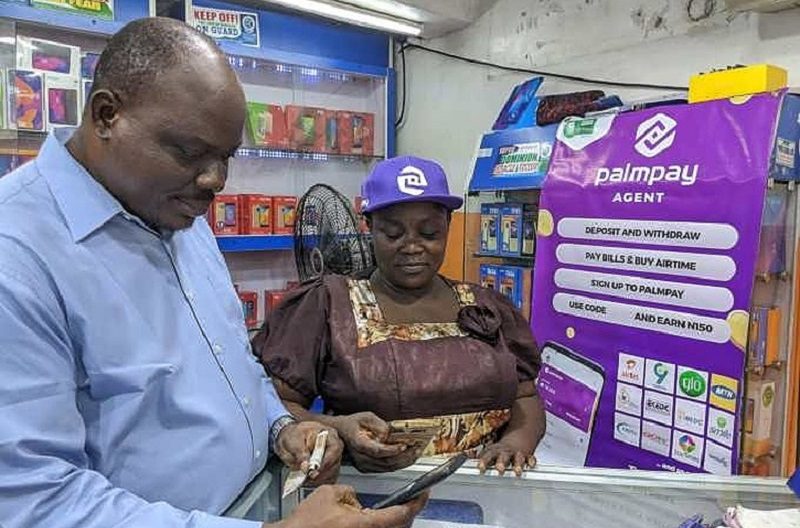
PalmPay’s Series B funding, expected to combine equity and debt, will likely bolster its ability to navigate these challenges while scaling its operations. The capital will support deeper penetration in Nigeria, where it plans to introduce device financing and fuel expansion into new markets.
Additionally, partnerships like its recent collaboration with Jumia, Africa’s leading e-commerce platform, and Dyna.Ai, a Singapore-based AI-as-a-Service provider, underscore PalmPay’s commitment to innovation and ecosystem collaboration. These alliances enhance its digital payment infrastructure and position it to compete in Nigeria’s increasingly cashless economy.
Its growth reflects broader trends in Africa’s fintech sector, driven by rapid mobile penetration, a young, tech-savvy population, and supportive policies like Nigeria’s cashless initiative.
