






U.S. Ambassador to Nigeria, Richard M. Mills, Jr., has described the country’s new commercial diplomacy strategy for Sub-Saharan Africa as a shift from aid to trade. According to him, the move, which will mark a new chapter in US-African relations, will expand economic opportunities, deepen commercial engagements and ensure long-term mutual prosperity.
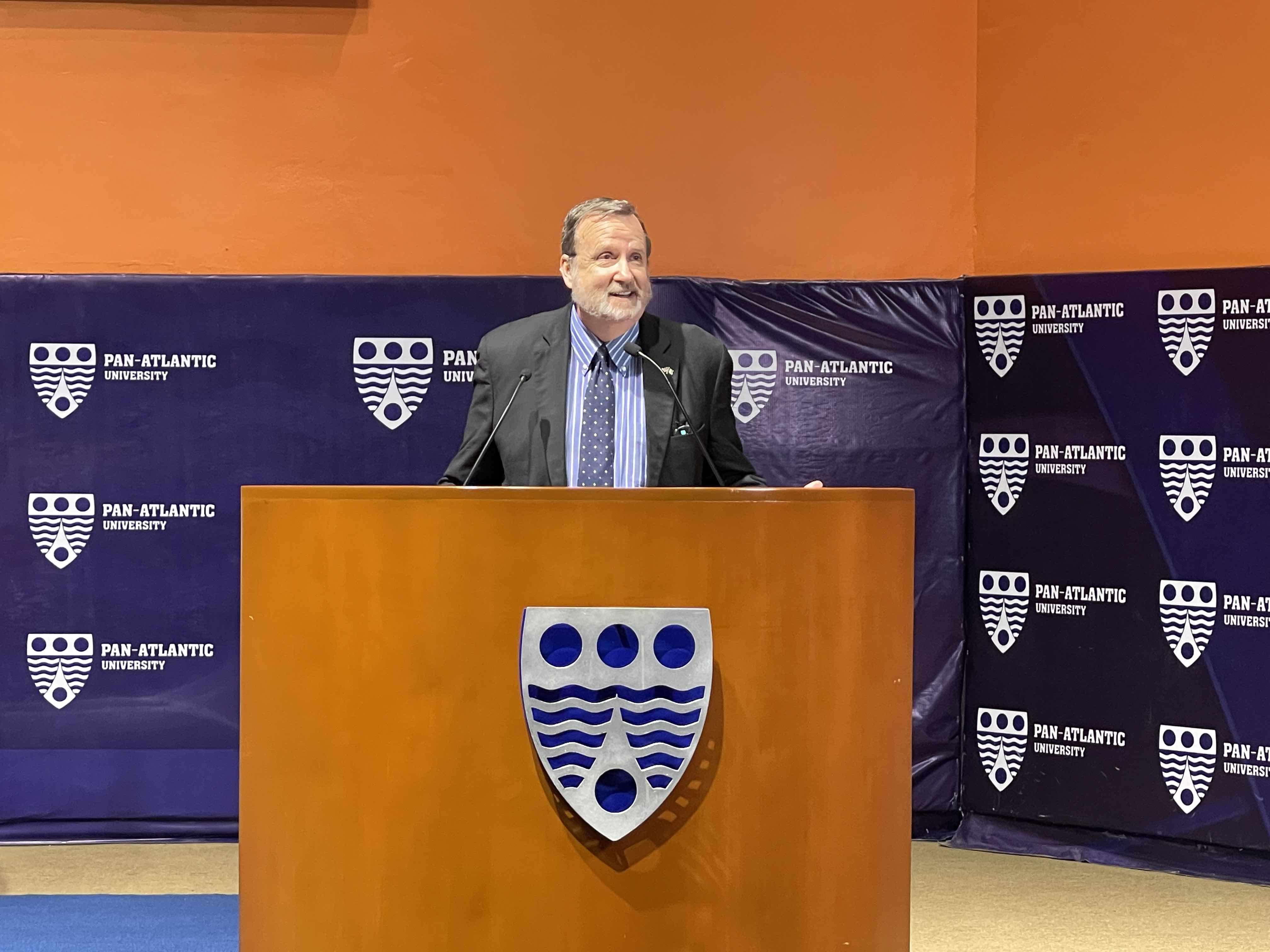
Ambassador Mills made this known during a fireside chat on “Toward a Robust U.S.-Nigeria Commercial and Investment Partnership” hosted by the Lagos Business School (LBS) yesterday. The chat was hosted by the Vice Chancellor of the Pan-Atlantic University, Professor Okonedo, and was preceded by a welcome address by the Dean of LBS, Professor Olayinka David-West.
The Ambassador noted that the new strategy was unveiled by the chief of the Bureau of African Affairs at the State Department, Ambassador Troy Fitrell, during the Africa CEO Forum event in Abidjan last month.
“Our strong partnership is built on the rich connections that exist between our countries, our companies, our entrepreneurs, and our people”, he explained.
He explained that the United States and Nigeria have made significant progress in strengthening their people-to-people ties. Nigeria is already the United States’ second-largest trading partner in Africa, with two-way trade in goods and services totalling nearly $13 billion in 2024.
In terms of investment, the United States remains one of Nigeria’s leading foreign investors, with foreign direct investment reaching $6.5 billion in 2023, a 5.5% increase from 2022.
According to him, the U.S. now views Nigeria as a country that is emerging to take a rightful role on the global stage, beyond what it already has.
“Our strong partnership is built on the rich connections that exist between our countries, our companies, our entrepreneurs, and our people. Take companies like Flutterwave, Andela, and Esusu—they were all founded by remarkable young Nigerians who studied in the United States”, he added.
He added that 20,000 Nigerian students are currently studying in the United States. Those Nigerian students represent the largest number of students from any African country and the 7th largest worldwide. Nigeria also has the largest African diaspora group in the United States, with over 750,000 citizens.
As U.S. Ambassador to Nigeria, Mr Mills’ key priority is to increase trade, investment, and business linkages between the two countries. To achieve this:
- The U.S. Department of Commerce signed a five-year memorandum of understanding on Commercial and Investment Partnership (CIP) with Nigeria’s Ministry of Industry, Trade and Investment to prioritise three key pillars: agriculture, the digital economy, and infrastructure. Nigeria is one of only five African nations with which the U.S. has signed a CIP agreement.
- Both parties have set up joint working groups to take a hard look at each sector’s non-tariff barriers to trade and other regulatory challenges.
- Both governments will listen and learn from these private sector working groups on what concrete steps they can take to address these challenges.
Last year alone, the work group has led to some events that brought together stakeholders across the landscape. Among these is the Global Inclusivity and AI: Africa (GIAA) Conference hosted in Lagos last September.
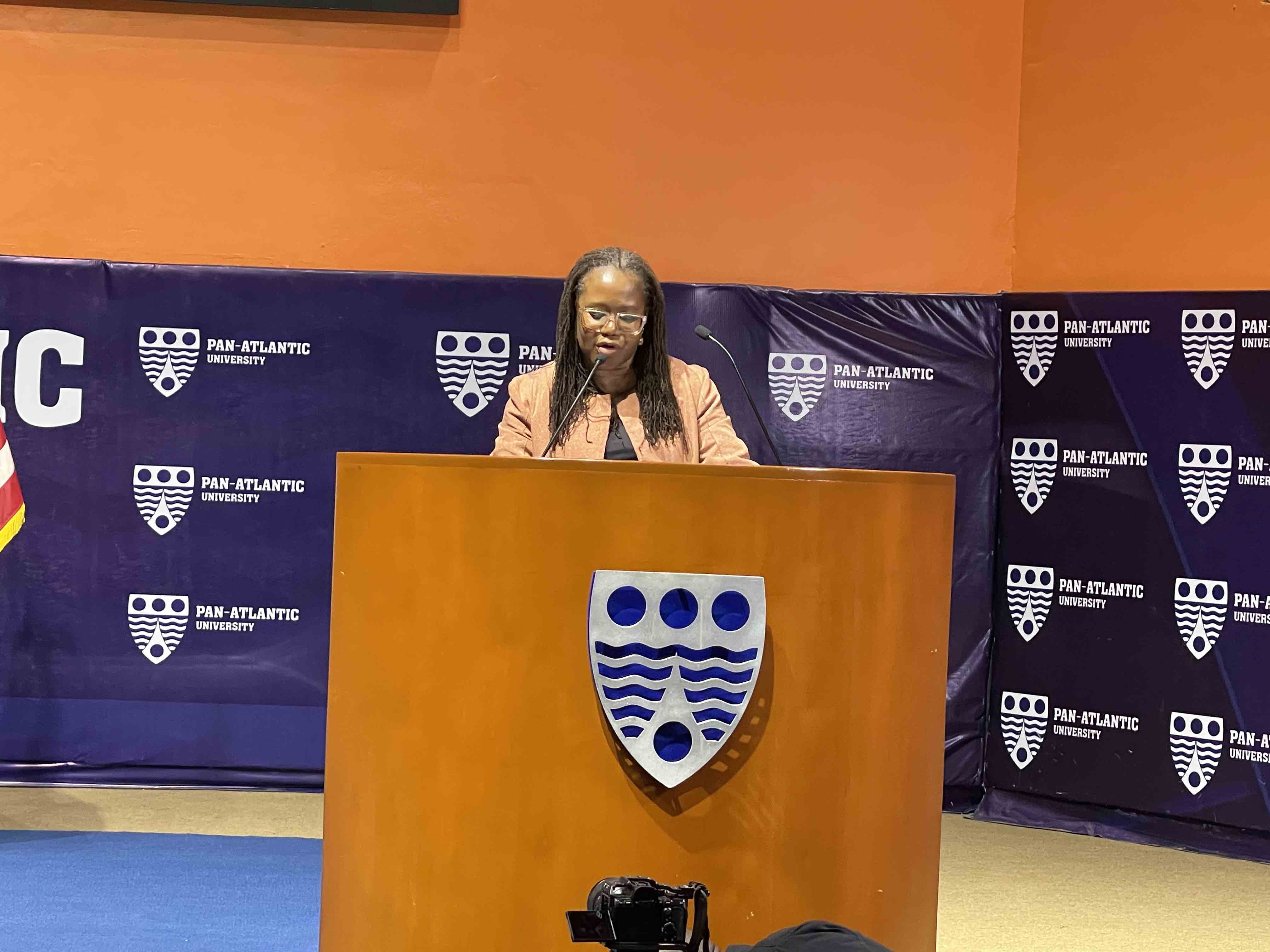
Recall that at the event, Communications Minister, Dr Bosun Tijani, announced the establishment of a ₦100M fund to support Nigerian startups in the AI sector. This is expected to spark innovation and drive the growth of local AI talent.
On the sidelines of the GIAA Conference, Kashifu Inuwa, the Director-General of the National Information Technology Development Agency (NITDA), emphasised that the agency is the primary partner of tech-related engagements, saying there have been talks with the US Consulate General’s office in Lagos for almost two years
The event had in attendance other tech industry stakeholders such as Olatunbosun Alake, Lagos Commissioner for Science, Innovation, and Technology; Lauren Baker, Deputy Director, Office of Digital & Emerging Technology Services, ITA/Commerce; Lola Adekanye, Country Manager at the Centre for International Private Enterprise and Olumide Balogun, West Africa Director at Google.
