




The Nigerian e-hailing industry has come a long way. It boasts of thousands of drivers across many states, providing services to millions of users while contributing billions to the economy. Powering this burgeoning industry are three major companies whose technologies and processes have set the standard: Uber, Bolt and inDrive.
Uber’s entry into Nigeria dates back to July 2014. That heralded the start of the e-hailing sector in Nigeria. Bolt followed two years later, in 2015. Together, they ruled the industry as the Big Two.
This was the status quo until the advent of inDriver in 2019. The company rebranded to inDrive some three years later, and its entry shattered Uber and Bolt’s monopoly, leading to intense competition and a price war.
While the Big Three control an overwhelming majority of the Nigerian e-hailing market share, other smaller players may not control considerable chunks of the market share, but are making little waves across the country.
In this article, I will introduce you to these 5 underdogs and tell you a bit about each
5 e-hailing apps you may not know
1. Nairaxi
Nairaxi is an indigenous mobility startup founded in October 2020 by Nigerian businessman, Kingsley Eze.
It operates mainly in Abuja, Nigeria’s capital city, with light operations in other major cities like Lagos and Kano. The company also provides other mobility services. These include taxi-hailing, luxury chauffeur-driven VIP rental rides, parcel/grocery delivery and others.
The e-hailing company prides itself on offering the safest and easiest way to move about, with multiple options and drivers who are well-trained, a necessity today.
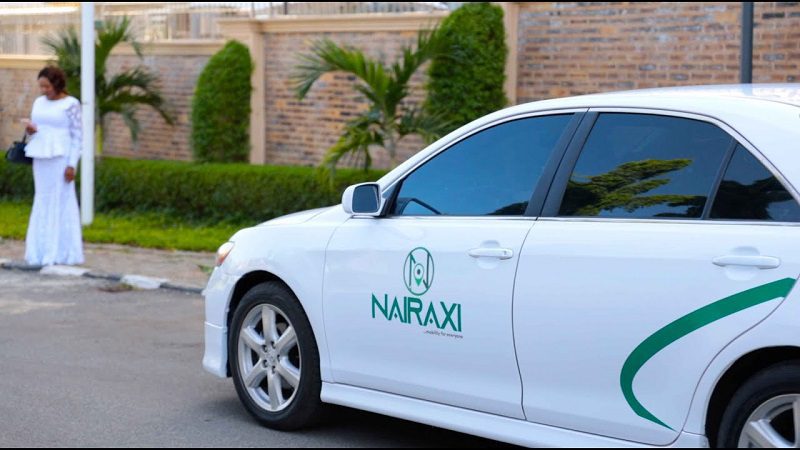
In February 2023, the company won the innovator’s competition organised by the Nigerian Communications Commission (NCC).
In February 2024, Nairaxi became the first app company to obtain an operational licence in Abuja. This is impressive given the presence of Uber, Bolt and inDrive in the city.
You can read more here: Insecurity: Uber, Indrive missing as Bolt, Nairaxi get exclusive license to operate in Abuja
2. SimpliRide
SimpliRide, perhaps the youngest of the lot, was launched in April 2025. The app is operational in Lagos, Abuja and Port Harcourt.
According to its Director of Business Development, Dr Raymond Odu Dibang-Achua, it was established to address the critical challenges experienced by drivers operating in the e-hailing sector.
Describing the app’s model as “the future of e-hailing”, Raymond explained that its purpose was to change the narrative in the e-hailing sector, while offering uncompromised quality service. The company entered the market with a zero commission policy. In its place, the app will only demand a daily subscription of N1,500 from drivers regardless of how much they make.
Aside from its revolutionary model, SimpliRide also enjoys strong backing from the Nigerian e-hailing union (AUATON). In fact, there are rumours that the app is co-owned by drivers.

The drivers’ union has denied the claim. According to its spokesperson, the app was endorsed by the union because the company offers a joint-regulation model with the union based on an agreement.
“Simpliride is an app just like every other app out there. The union endorsed it to revolutionise and rekindle the hope of app-based workers in Africa, starting from Nigeria, putting an end to several years of struggle with exploitative app companies,” the spokesperson said.
You can read more about SimpliRide here.
3. Drop
Drop was launched in September 2024 by Moyosore Oladeinde, an entrepreneur and US-based developer.
According to the founder, the company will solve the problems facing the ride-hailing space. She noted that her inspiration came in 2021 when she visited Nigeria and requested a ride on Bolt.

Before, she had heard stories of how rude drivers were, especially to female riders. She experienced the rudeness firsthand upon her visit. In response, her company would ensure drivers are well-trained, properly verified and equipped to help the company address lingering industry matters: safety, customer service and overall drivers’ earnings.
The app charges a 10% commission on every ride while giving drivers the leverage to decide what they charge and what they earn for each trip.
Drop also offers vehicle financing, hire purchase options, delivery services and call centre services.
4. OlakzRide
OlakzRide was launched in December 2023 by UK-based businessman, Olasupo Kuye.
Kuye said he was motivated to establish an e-hailing business due to his educational background, having studied Transportation Management at the Federal University of Technology, Akure (FUTA), and subsequently interned with ABC Transport.
The app prides itself on not offering percentage or commission-based billing. Rather, it offers a subscription-based pricing model, like SimpliRide. This means drivers only pay a weekly or monthly subscription fee.
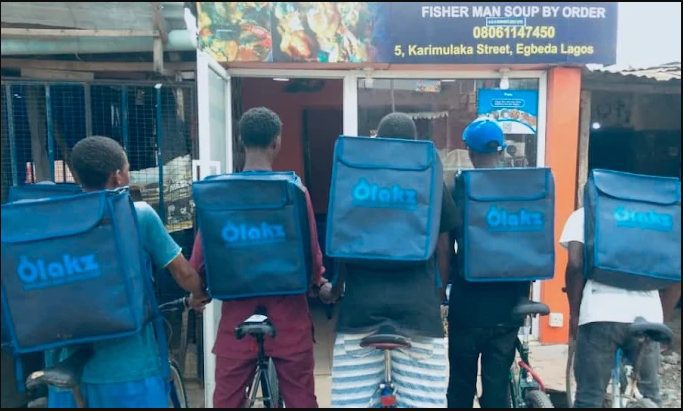
Thus, the platform offers both the post-paid weekly subscription and the prepaid monthly subscription.
For the weekly post-paid plan, a driver works first during the week before paying their subscription fee at the end of the working week. The platform believes this allows even first-time drivers to earn first without worrying about commissions.
Interestingly, unlike other platforms that have different apps for drivers and riders, OlakzRide presents an all-in-one app where both drivers and passengers operate on the same app. Thus, riders can switch to become drivers.
OlakzRide recently signed K-Solo as a brand ambassador. The app is available in Lagos and Abuja.
5. ZanRide
ZanRide was launched in Port Harcourt in 2024 to change how people commute, not just in Nigeria but across the globe.
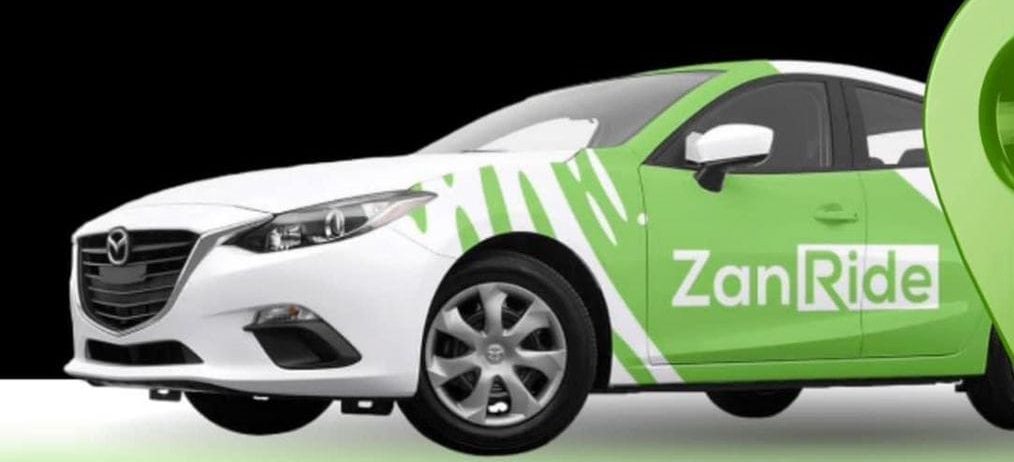
The company boasts a ride-sharing app that connects riders with drivers while providing a secure and affordable platform for users to commute.
The company also believes it is setting a standard for modern transportation with its user-friendly interface, optimised matching technology, and a commitment to safety and service.
