






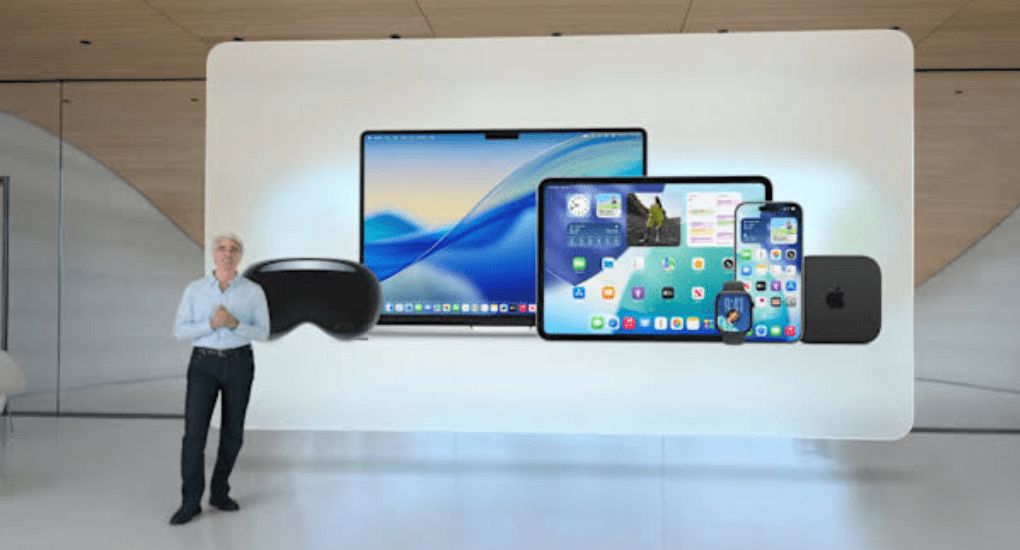
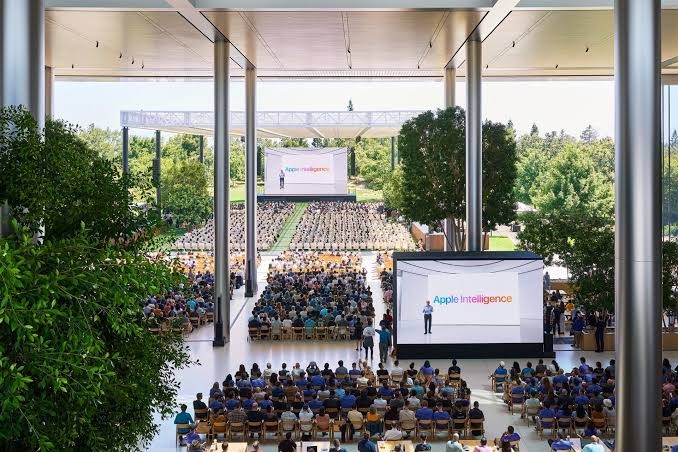
Apple’s Worldwide Developers Conference (WWDC25) 2025, held on June 9, 2025, at Apple Park, delivered a slew of software updates and a bold new design direction, captivating developers and Apple enthusiasts alike. With no hardware reveals, the keynote focused on refining the user experience across Apple’s ecosystem through iOS 26, iPadOS 26, macOS Tahoe, watchOS 26, tvOS 26, and visionOS 26, alongside enhancements to Apple Intelligence.
Here’s a detailed breakdown of the top 10 announcements, highlighting the transformative Liquid Glass design language and practical new features shaping the future of Apple devices.
1. Unified naming: Apple introduced a new naming convention, aligning all operating systems with the year 2026 to reflect their primary usage period. This means iOS 26, iPadOS 26, watchOS 26, tvOS 26, visionOS 26, and macOS Tahoe (retaining a scenic nod to Lake Tahoe) replace the disparate versions of iOS 19, watchOS 12, and others. This shift simplifies tracking updates for users and developers, ensuring clarity across platforms. The change aligns Apple with competitors like Samsung, which uses year-based naming for its Galaxy series, enhancing user awareness of software currency.
2. Liquid Glass: The star of WWDC25 was the Liquid Glass design language, a major interface refresh inspired by the translucent, glossy aesthetics of VisionOS for Apple Vision Pro. Rolling out across all platforms, Liquid Glass introduces transparent menus, rounded controls, and glossy icons with dynamic reflections that adapt to content and lighting. Navigation is streamlined with shrinking toolbars and context-sensitive menus, creating a cohesive, immersive experience. This is Apple’s most significant design update since iOS 7, enhancing visual harmony across iPhones, iPads, Macs, and more.
3. iOS 26: iOS 26 brings the Liquid Glass aesthetic to iPhones, with translucent app icons, pill-shaped navigation bars, and a simplified Camera app for easier access to Photo and Video modes. New AI-powered features include Visual Intelligence, allowing users to query on-screen content via ChatGPT integration, and call screening that displays caller intent before answering. The Messages app gains polls, background images, and live translation, enhancing group chats and global communication. These updates make iOS 26 more intuitive and privacy-focused, though some anticipated Health app features, like food tracking, were absent.
4. Apple Intelligence: Apple Intelligence, introduced at WWDC 2024, saw modest enhancements in 2025, with a focus on on-device processing for privacy. The Shortcuts app now supports “Intelligent Actions”, enabling AI-driven automation for tasks like summarising text. Visual Intelligence extends to image analysis across apps, while the Foundation Models framework allows developers to integrate Apple’s AI models into third-party apps without cloud reliance. However, a promised Siri overhaul with multi-app integration was delayed to 2026, disappointing some investors, as reflected in a 1.6% stock dip during the keynote.
5. macOS Tahoe: macOS 26, dubbed Tahoe, introduces Liquid Glass with a transparent menu bar and customisable folder icons, making the Mac interface feel larger and more personal. Spotlight becomes a command centre with Quick Keys (e.g., “SM” for messaging) and clipboard history, while AI-powered Shortcuts streamline multi-step tasks. The new Games app, shared with iOS 26, centralises gaming with social features, and Metal 4 graphics enhancements promise better performance for titles like Crimson Desert. These updates make macOS Tahoe a productivity powerhouse.
WWDC25: Apple introduces Mac-like multitasking
6. iPadOS 26: iPadOS 26 adopts Liquid Glass and introduces Mac-like features, including a new menu bar, resizable app windows, and enhanced multitasking. The Preview app, ported from macOS, supports PDF annotation with Apple Pencil, while a local capture feature enables studio-quality audio recording via AirPods for podcasters. These changes make the iPad a stronger laptop alternative, though some users hoped for deeper Stage Manager improvements.
7. watchOS 26: watchOS 26 integrates Liquid Glass with smoother transitions and adds the Notes app for wrist-based list access. The AI-powered Workout Buddy analyses fitness data, offering voice-guided coaching, while a wrist-flick gesture simplifies notification dismissal. The updated Workouts app and smarter Smart Stacks enhance usability, and third-party Control Centre customisation opens new app integration possibilities. These features make the Apple Watch more versatile, though blood-pressure-monitoring rumours did not materialise.
8. tvOS 26: tvOS 26 embraces Liquid Glass with cinematic visuals and introduces quick profile selection for personalised Apple TV+ content. The Apple Music Sing feature turns iPhones into karaoke microphones with on-screen lyrics, enhancing social entertainment. A redesigned FaceTime app and new API for app login integration streamline user experiences, making tvOS 26 a standout for home entertainment.
9. visionOS 26: visionOS 26 enhances the Apple Vision Pro with spatial widgets that persist in virtual space, PlayStation VR2 Sense controller support for gaming, and eye-scrolling for hands-free navigation. Spatial Scenes uses AI to create immersive 3D photo views, while enterprise APIs cater to professional use cases. These updates make Vision Pro more versatile, though its high cost limits mainstream adoption.
10. New apps and developer tools: Apple introduced a dedicated Games app across iOS 26, iPadOS 26, and macOS Tahoe, centralising Apple Arcade and social gaming features. The Preview app on iPadOS 26 and enhanced Xcode integration with ChatGPT for coding streamline developer workflows. The Foundation Models framework empowers third-party apps with AI, fostering innovation. However, the absence of a revamped Siri or new hardware disappointed some attendees.
Overall, WWDC25 showcased Apple’s commitment to a cohesive ecosystem through the Liquid Glass design and unified naming, enhancing user and developer experiences across devices. While Apple Intelligence updates were incremental and Siri’s overhaul was delayed, practical features like enhanced multitasking, AI-driven tools, and gaming improvements signal steady progress.
As public betas roll out in July and full releases arrive in fall 2025, Apple’s focus on privacy and cross-platform consistency positions it to compete in a dynamic tech landscape, though bolder AI advancements are needed to reclaim the spotlight.
