


Every remote worker knows that having access to a quality work environment is critical to an efficient and consistent delivery rate. When making residential plans, you need to consider key infrastructures like internet speed, power supply, access to networking and relaxation hubs.
This article provides a list of the top 5 cities to work remotely in Nigeria, with key metrics on significant remote work resources, including download speed, power, workplace opportunities, safety and security, and tips on residential areas to consider.
In no particular order, here are the top 5 cities.
1. Port Harcourt
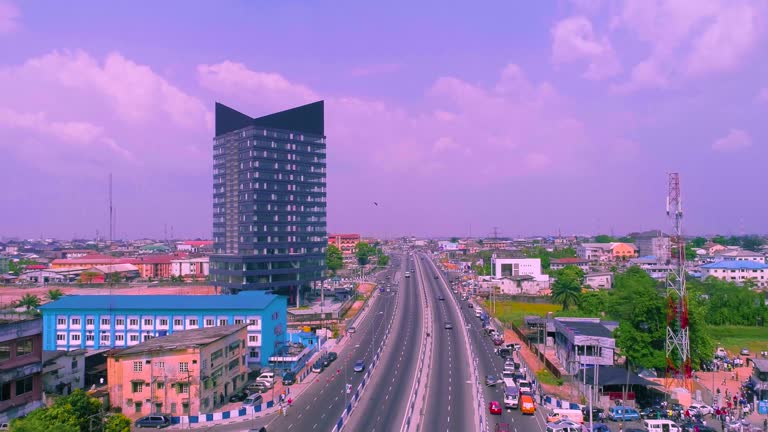
The capital city of Rivers State is suited for remote workers due to its growing infrastructure, cost-effective housing, and improving tech ecosystem.
The South-South city provides affordability, access to amenities, and a relatively relaxed system, making it an attractive location for individuals looking for a more comfortable, balanced lifestyle.
Download Speed: 22.38 Mbps.
Cost of Living: Due to the city's economic growth and oil industry, the costs of accommodation, goods, transportation, and other services are high.
Amenities: It boasts of cultural experiences, including Pleasure Park, Isaac Boro Park, and the Rivers State Cultural Center.
Safety and Security: Increasing reports of armed robbery and kidnapping incidents.
Strengths: Tech growing, reliable internet.
Challenges: Security concerns.
Top residential areas: Ada-George, Old GRA, Peter Odilli Road.
2. Lagos

As the megacity and economic hub of Nigeria, Lagos possesses a significant number of remote job workers.
Its strong tech sector ecosystem, remote work opportunities, high internet penetration and numerous networking spaces make it the next top supportive city.
Download Speed: 40.26 Mbps.
Cost of Living: The city is known for its high cost of living, influenced by factors like inflation, accommodation, food, and transportation costs.
Amenities: Lagos enriched environment for relaxation makes up for its expensive lifestyle.
Safety and Security: Considering the population, Lagos faces high crime rates, including armed robbery, assaults, thefts, and cultism.
Strengths: Best tech hub, fast internet, and networking.
Challenges: Expensive, Traffic congestion.
Top residential areas: Yaba, Surulere, Ikeja, Ajah.
Also Read: Lagos ranked world’s fastest-growing tech city in 2025
3. Ibadan
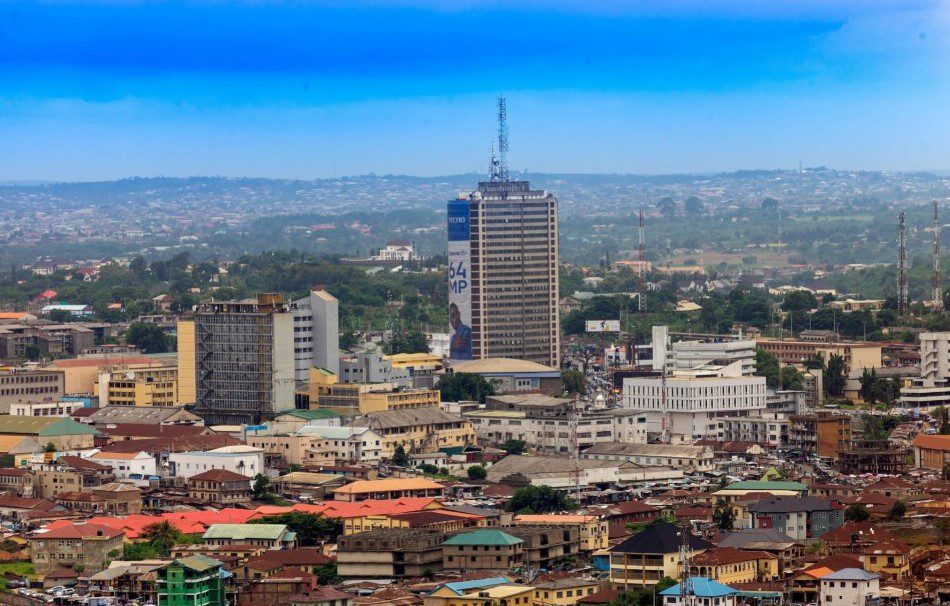
Compared to Lagos, Ibadan provides urban amenities with a calmer pace, along with a reliable power supply and a thriving digitally aware community.
With affordable urban living, Ibadan is gaining traction among young professionals and provides promising opportunities for remote workers seeking peace and space.
Download Speed: 23.03 Mbps.
Cost of Living: Ibadan is considered more affordable than Lagos, Abuja, or Port Harcourt and is listed as one of the cheapest cities to live in Nigeria.
Amenities: University of Ibadan, Agodi Gardens, Malls, IITA Forest Reserve, and so on.
Safety and Security: Ibadan's safety and security have improved, especially with measures like the Amotekun squad, the Light-up Oyo project, and strengthening the Police Swift Response Squad (SRS).
Strengths: Affordable, growing tech community.
Challenge: Power supply can vary
Top residential areas: Bodija, Agodi GRA, Challenge, Jericho.
4. Ilorin
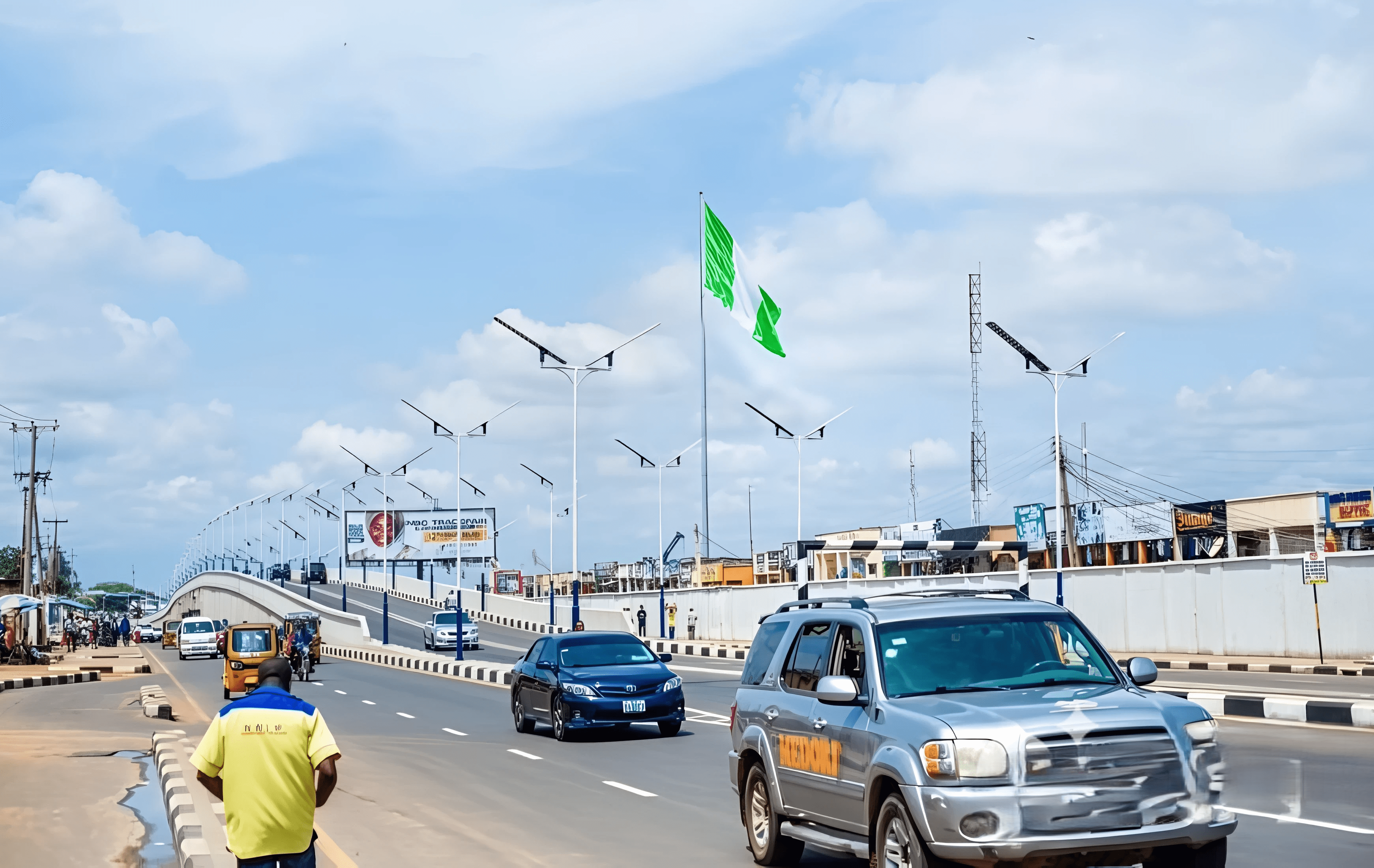
Ilorin, the capital of Kwara State, is a promising destination for remote workers looking for affordability and a productive environment.
Though the city is improving in its power infrastructure, its cultural richness and historical significance add to its treasure.
Download Speed: 15.5 Mbps.
Cost of Living: One of the cheapest cities in Nigeria in terms of accommodation, food, transportation, and general expenses.
Amenities: Possesses tech hubs and a young population, though the status is low.
Safety and Security: Ilorin remains more secure than many major Nigerian cities, but is recently witnessing a rising trend of criminal activities.
Strengths: Low cost of living, calm and quiet environment.
Challenges: Limited networking opportunities, internet quality and police harassment
Top residential areas: Tanke, University Road Axis, Asa Dam Road Axis.
5. Abuja

The tech scene of Nigeria’s capital city is growing, and avenues to connect with other remote workers and entrepreneurs are available through networking events and online communities.
While Abuja has good internet connectivity in some areas, reliability can be a concern, especially in rural areas.
Download Speed: 22.3 Mbps.
Cost of Living: As Nigeria's political heart, prices of goods and services, and transportation are high.
Amenities: High rate of modern infrastructure and recreational facilities.
Safety and Security: Good safety record, but recent concerns of armed robbery and carjacking.
Strengths: Good infrastructure, serene environment, stable power supply.
Challenges: Expensive in certain areas.
Top Residential Areas: Gwarinpa, Wuse, Maitama, Gudu, Asokoro, Jabi.
Similar Read: Remote work: Here are 10 productivity apps that you must have
Considering the Nigerian factor, there’s no perfect city. For remote workers, it is important to acknowledge these challenges and take proactive actions to live with them. However, access to internet speed, relaxation environment, and support for tech-driven infrastructure qualify the above cities as top picks for remote workers.
