






In a continent defined by its constraints, Eric Annan prefers to talk about conviction. “I call myself a crazy optimist,” he tells me in an interview, “because when I have conviction on something, I go for it, no matter how challenging.”
Annan is the founder and CEO of Aya HQ, (Techstars ‘23), a rapidly growing Web3 incubator based in Africa. But it is more than an incubator; it is part innovation hub, part ideological movement, dedicated to rebuilding trust in African talent with blockchain as its spine and humanity at its heart.
Annan’s journey into crypto began in 2016, but his entrepreneurial roots stretch further back. In 2017, he launched Nigeria’s first over-the-counter crypto exchange, Digital Kudi, years ahead of now-mainstream platforms like Luno or Binance in the region.
Then came KibitX, a twin-tech crypto exchange co-founded in 2018. It rose fast and failed fast. “We signed a consortium with InterSwitch to build a trade finance platform,” he recalls. “The rest is history.” Failure did not deter Annan; it refined him.
What came next was Aya HQ, Africa’s largest early-stage Web3 incubator.

Founded to bridge the talent trust gap, the edtech is built on the principle that African youth possess immense talent but lack the global validation to unlock opportunity.
“Talent is everywhere, but access is not,” says Annan. “We needed to create a one-stop ecosystem built on trust, where African talent is nurtured, empowered, and given the platform to create real value.”
Annan is building a new framework: human first before hype
Aya HQ’s core differentiator lies in what Annan calls the “human-layer framework”. It is a radically people-centric approach to tech incubation. In a space where metrics like funding rounds and valuation headlines dominate, Aya flips the script.
“In our ecosystem”, Annan says, “you do not talk about how much you have raised or where you live. We talk to people as people because technology without human beings is useless.”
This philosophy birthed the Aya “No-Bullshit Zones”, Mantra in Ghana and Kilifi in Kenya, physical co-living innovation hubs with a combined 52-bed capacity, where builders from across the continent co-live and co-create in immersive, distraction-free environments.
More than 15 startups have been launched from these hubs in just the past year.
From talent to tech founders: Aya HQ’s training model
Aya’s mission has evolved through iterations. Initially, a marketplace for African tech talent, it faced a mismatch between skills and demand. The response? Reinvention.
Aya launched one of the continent’s most ambitious training programmes, underpinned by a proprietary PACE model, an original framework built around Problem solving, Adaptability, Creativity, and Empathy. Unlike traditional tech accelerators, Aya trains across three core roles: developers, designers, and product managers, ensuring every cohort can ideate, build, and launch a viable product.
In the first cohort, the goal was to train 50 individuals. The first application round saw 4,000 applicants from 34 countries. Two years later, over 300 graduates have passed through the program.
But Aya was not done. The next logical step was to turn skilled talent into founders.
Incubating resilience, not just ideas
From this foundation emerged the Aya Builder Program, launched in 2023. Designed to go beyond training and into startup creation, the programme has incubated 30+ early-stage projects across Africa.
One standout, Soccersm.ai, an AI-powered prediction platform, garnered over 10,000 users in 18 months.
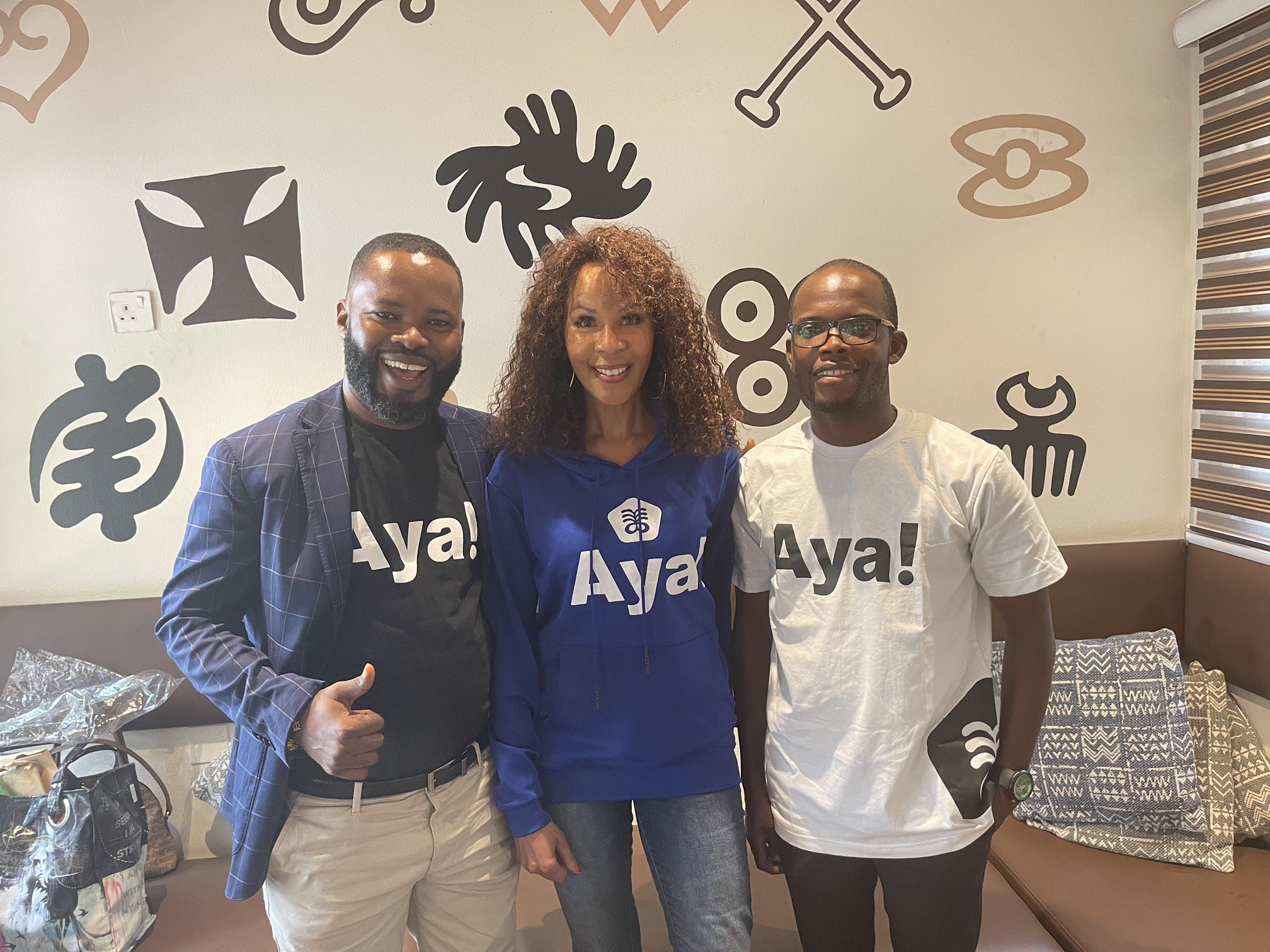
But for Annan, the real challenge is not funding or user acquisition; it is mindset. “The biggest challenge for African builders is audacity,” he says. “Audacity to dream. To share your story without shame.”
He does not mince words. “Nobody cares what you are building unless you do. The world only respects value.”
Rewriting Africa’s blockchain narrative from the inside out
Aya is pushing boundaries in policy as well.
Annan leads the Blockchain Builders Association of Ghana and advises on regulatory dialogues across the continent. Through forums, roundtables, and high-level meetings with governments and financial regulators, Aya is helping shape a balanced crypto policy narrative, one led by Africans.
“Africa does not just need blockchain. It needs it more than any other region,” Annan says. “Where the West sees it as a luxury, here it is a necessity.”
Measuring the impact by numbers:
- 4 incubator cohorts completed:
- 300+ talents trained
- 300,000+ users served across startups
- $150,000+ invested in pop-up village hubs
- 2 innovation zones in Ghana and Kenya
- Dozens of jobs created
But the bigger story is a mindset shift. Aya is also the first African ecosystem to flawlessly execute a global Web3 playbook, a feat previously only achieved in Turkey, Montenegro, Denver and Thailand.
Audacity over capital: The African founder’s dilemma
According to Annan, the biggest barrier African founders face is not funding; it is psychology.
“It is not money. It is audacity. The audacity to dream. To speak. To be shameless about what you are building.”
Aya emphasises storytelling as a tool for empowerment, teaching founders that value, not validation, opens doors. “The world does not care unless you care first,” says Annan. “Nobody’s coming to save us. We have to believe, build, and support one another.”
This collective ethos also counters what Annan calls the continent’s “survivor mentality”, the tendency for founders to compete destructively rather than collaborate. Aya’s ecosystem instead promotes the “quality mindset”, the idea that one person’s win can unlock opportunities for others.
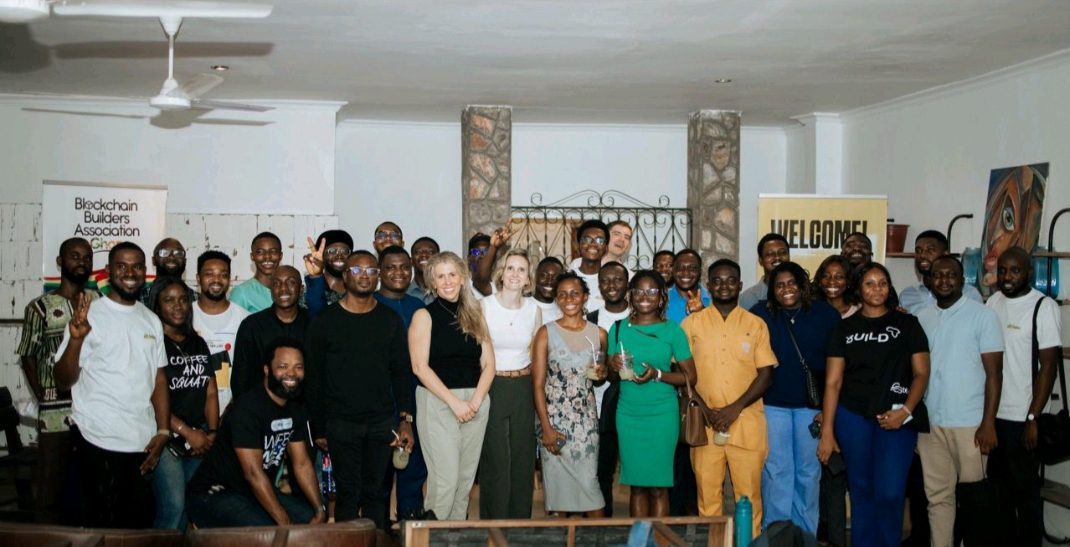
In just four years, Aya HQ went from a bootstrapped startup to a continental movement. And Annan is not shy about his five-year vision.
“Aya is going to be the largest founder network in Africa,” he says. “Startups in our ecosystem will average at least $10 million in annual revenue. We are building a trust economy, founded by Africans, for the world.”
Aya is also pioneering what Annan calls the “global African builder identity”, a branding shift that positions African talent not as community managers or interns, but as co-creators of the future.
The phrase “African builder” did not exist as a global rallying cry until Aya made it one. “Before May 2023, we were just doing meetups,” Annan recalls. “Now, we are leading global teams and conversations.”
Asked what advice he would give to founders, Annan does not hesitate:
“Be shameless. Dream out loud. The world only respects value, and value starts with belief.”
Aya HQ is not just launching startups; it is reconstructing Africa’s innovation story. One that no longer begs for permission but boldly builds with conviction. In Annan’s world, that belief is not optional; it is essential.
