



The Morocco Startup Ecosystem Report, a pioneering collaboration between UM6P and Startup Researcher, has detailed a blueprint of Morocco’s burgeoning tech ecosystem, positioning it as a model for African nations striving to foster innovation.
The report highlights Morocco’s ascent to Africa’s sixth-largest venture capital (VC) destination, with startups raising $94.96 million despite global funding headwinds.
The report underscores its ambition to become a regional tech hub and provides critical lessons for African policymakers, investors, and entrepreneurs by dissecting its successes, challenges, and actionable recommendations.
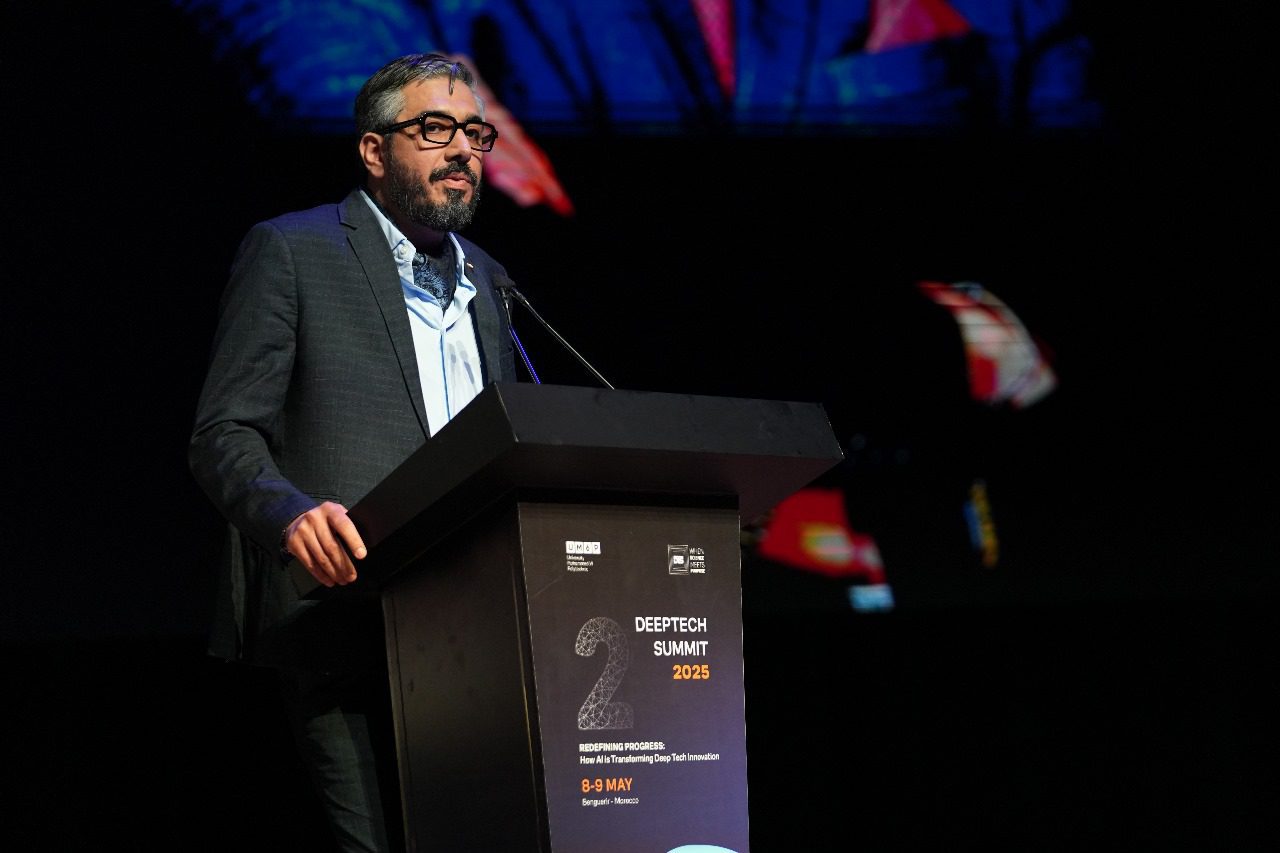
As Kenya, Nigeria, and South Africa dominate the continent’s startup landscape, Morocco’s unique approach, blending public-private partnerships, targeted policies, and local VC momentum, offers a replicable framework for other African nations, tempered by cautions about scalability and structural barriers.
Morocco is 9th in Africa in the 2025 Global Startup Ecosystem Index
Morocco’s tech ecosystem has made remarkable strides, climbing to 88th globally and ninth in Africa in the 2025 Global Startup Ecosystem Index, a four-spot improvement from 2024.
The report notes that its startups raised $94.96 million in 2024, a significant leap from $17 million in 2023, reflecting a resilient ecosystem buoyed by local VC funds like UM6P Ventures, Maroc Numeric Fund, and CDG Invest’s 212 Founders programme.
Casablanca, the country’s tech hub, recorded over 40% growth, ranking 317th globally, while initiatives like Technopark and Impact Lab have nurtured over 3,000 startups since 2001.
The Digital Morocco 2030 strategy, backed by a $24 million fund, aims to create 3,000 startups and 240,000 digital jobs by 2030, leveraging events like GITEX Africa to attract global investors.
Morocco’s success stems from a robust public-private synergy. The government’s Innov Invest Fund, supported by the World Bank, has channelled $50 million into pre-seed and seed-stage startups, fostering ventures like Chari, a B2B e-commerce platform.
Technopark, established in 2001, has supported over 1,100 companies in ICT, green tech, and cultural industries, while Impact Lab drives social and environmental innovation.

These efforts contrast with Nigeria’s market-driven fintech boom, where Moniepoint became a unicorn with $110 million in 2024, or Kenya’s M-Pesa-led mobile payment revolution, which attracted $638 million in funding.
Morocco’s stable regulatory environment and 74% internet penetration (among Africa’s highest) position it as a gateway to North African and European markets, unlike the more fragmented ecosystems in Nigeria or Kenya.
Funding, exits, and inclusion gaps
Despite its progress, Morocco faces significant hurdles. The report highlights a growth-stage capital gap, with startups struggling to secure funding for international scaling.
In 2024, Morocco’s $94.96 million in VC funding lagged far behind Kenya ($638 million), Nigeria ($410 million), and South Africa ($394 million), which together captured 84% of Africa’s startup investments.
Exit scarcity remains a critical issue, with only six notable exits in recent years, including DabaDoc and WaystoCap, compared to South Africa’s vibrant M&A landscape, exemplified by Jumo’s growth in financial services.
Gender disparities also persist, despite progress in senior management roles at firms like UM6P Ventures and InnovX, where women hold 32% of leadership positions. Structural barriers, such as bureaucratic red tape and unequal access to education, further hinder inclusivity and scalability.

These challenges mirror broader African trends. Nigeria and Kenya, while leading in funding, also grapple with regulatory inconsistencies and limited exit opportunities, as noted in the 2024 Africa: The Big Deal report.
Morocco’s francophone context limits its appeal to anglophone investors, unlike Kenya’s M-Pesa ecosystem, which benefited from early digital payment adoption and English-language accessibility.
The report’s recommendations, streamlining regulations, incentivising exits through tax breaks, and promoting gender-inclusive policies aim to address these gaps but require sustained political will and private-sector buy-in.
Actionable lessons for Africa
- Leverage public-private partnerships for ecosystem growth: Morocco’s Digital Morocco 2030 and Innov Invest Fund demonstrate how government-backed initiatives can catalyse startup ecosystems.
African nations like Ghana or Rwanda, which raised $68 million and less than $20 million, respectively, in 2024, could adopt similar models to boost early-stage funding.
For instance, Rwanda’s Digital Acceleration Policy could emulate Morocco’s focus on digital skills training, targeting 100,000 professionals by 2030. However, overreliance on public funds risks crowding out private investment. - Build local VC capacity to reduce foreign dependency: Morocco’s reliance on local VCs like UM6P Ventures and Al Mada Ventures, which drove 70% of 2024 funding, offers a model for reducing dependence on foreign capital.
Nigeria and South Africa, while attracting significant international VC, face volatility from global downturns.
Countries like Senegal or Côte d’Ivoire could establish local funds akin to Morocco’s FM6I, which attracted 47 applications for a $150 million startup fund, to stabilise ecosystems. The risk lies in ensuring these funds prioritise scalability over political agendas. - Address inclusion and exit gaps proactively: Morocco’s push for gender inclusion and exit incentives, like tax exemptions, could inspire Kenya, where women-led startups like SweepSouth thrive but exits remain rare.
The report’s call for inclusive education aligns with GSMA’s findings that digital skills gaps hinder 60% of African startups. However, cultural resistance to gender equity, as seen in Nigeria, poses risks.

Applying Morocco’s model across Africa faces challenges. Smaller economies like Benin ($50 million in 2024) lack Morocco’s $130 billion GDP to support large-scale funds. Overreliance on government initiatives, as cautioned by Oxford Business Group, risks stifling private innovation if not balanced with market-driven policies.
Additionally, Morocco’s regulatory reforms lag behind Rwanda’s ease-of-doing-business ranking (38th globally), requiring African nations to prioritise agility.
