




Fintech platforms have reshaped how Nigerians interact with the stock market. Platforms like Bamboo, Chaka (acquired), Trove, Risevest, PiggyVest, and Cowrywise are top of mind, with special appeal to younger generations.
Though precise data on their overall impact remains elusive, these platforms have attracted substantial user bases, with Bamboo boasting over 1 million downloads and 500,000 daily active users, according to a 2023 analysis of US stock investment apps.
Cowrywise claims more than 1 million users, while Chaka, Trove, and Risevest each surpass 100,000 users, reflecting a broad and growing interest in stock market investments.

This surge is particularly striking in a country where 40% of the 200 million population lacks access to financial services, as noted in a 2020 McKinsey report. The numbers hint at a shift, drawing more people into the market, especially those who were excluded.
The fintech sector in Nigeria is on an upward trajectory, and the digital investment market poised to grow by 11.95% each year from 2024 to 2028, reaching a market volume of US$14.34 billion by 2028, according to Statista.
This expansion stems from rising smartphone penetration and a hunger for accessible financial options, as highlighted in a 2024 World Bank blog post.
Such growth creates opportunity for stock market participation as platforms offering international investment opportunities are likely key contributors.
What changed?
Accessibility is a big deal for these platforms. Features like fractional investing let users start with as little as $10 or ₦1,000, breaking down traditional barriers to entry.
Trove, for instance, provides access to nearly 4,000 stocks, spanning both local and global markets, which broadens investment choices. This simplicity resonates with a population seeking easy ways to grow their wealth, and the platforms’ focus on user-friendly designs amplifies their reach.
They invite a new wave of investors who might otherwise have stayed on the sidelines by lowering the financial threshold.
Younger demographics, particularly millennials and Gen Z, form the heart of this movement.
Risevest claims to serve over 600,000 users and has paid out $42 million, while Cowrywise’s rising users’ preference (rated 35th in finance apps on App Store) reflects strong engagement among these groups.
This lies solidly with PiggyVest’s report of paying out ₦835 billion to users in 2024.
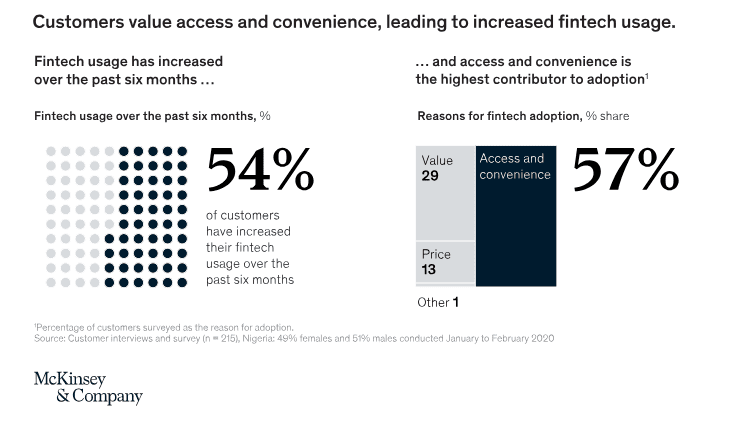
McKinsey’s research shows 57% of Nigerians prioritise convenience, and 51% of youth and mass-market segments trust fintech solutions as much as traditional banks.
This trust and preference for digital tools suggest a lasting shift, as these generations seek investment avenues to secure their futures. The platforms’ ability to capture this audience lays a foundation for sustained stock market growth.
Adewale Johnson, a finance expert, offers a clear perspective on this trend. He says:
“These fintech platforms have revolutionised the way Nigerians invest, making the stock market more inclusive and accessible to all.
“To put it plainly, they have empowered a new generation of investors to participate in the market just by simplifying the investment process and reducing the minimum investment amounts.” His words echo the data and trends, underscoring the platforms’ role in democratising finance.

Not yet uhuru…
Yet, the story is not without its challenges. Regulatory hurdles have tested these platforms.
Policy movements from the Securities and Exchange Commission (SEC) and Central Bank of Nigeria (CBN) in 2021 created uncertainty.
Despite this, many have adapted, securing SEC licences and forming partnerships with regulated brokers, which bolsters their credibility. The resilience shines through in their continued growth, suggesting policies and platform innovations work hand in hand to drive adoption.
To illustrate the user adoption and market impact, consider the following tables based on available data and projections:
Table 1: User adoption metrics
| Platform | User Numbers (Downloads) | Daily Active Users | Additional Notes |
|---|---|---|---|
| Bamboo | 1M+ | 500,000 | Offers over 4,000 investment options |
| Chaka | 100k+ | Not specified | SEC-licenced, raised $1.5 million |
| Trove | 100k+ | Not specified | Provides US and Nigerian stocks |
| Risevest | 1M+ | Not specified | Serves over 600,000 users, $42m payouts |
| Cowrywise | 1M+ | Not specified | Claims over 1 million users |
These tables highlight the scale of user engagement and the financial ecosystem’s potential, though they do not provide a direct measure of stock market participation.
Table 2: Market growth projections
| Year | Projected Market Volume (US$) | Annual Growth Rate | Key Driver |
|---|---|---|---|
| 2024 | 9.98 billion | 11.95% | Rising smartphone use |
| 2026 | 12.54 billion | 11.95% | Demand for accessible finance |
| 2028 | 14.34 billion | 11.95% | Expansion of digital investments |
The lack of comprehensive data on total market investors remains a gap, but the trends suggest a positive correlation between platform growth and broader market interest.
The platforms’ international offerings add another layer to their impact. Users can invest in U.S. and Chinese stocks, diversifying beyond Nigeria’s volatile market. This feature appeals to those looking to protect their savings, especially amid the naira devaluation.
Bamboo and Chaka, for example, have built reputations for enabling such diversification, with Bamboo’s 4,000+ investment options and Chaka’s SEC approval enhancing their appeal. This global reach likely attracts a segment of investors who might not have considered local stocks alone, further fuelling market activity.
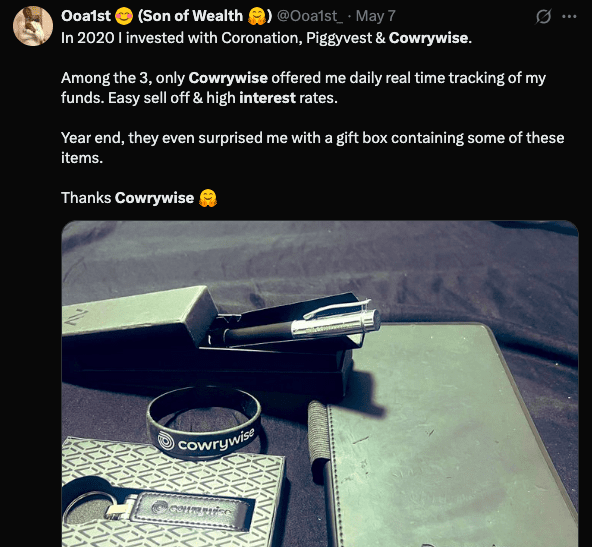
Community feedback, as seen on platforms like X, reinforces this narrative. Users praise the simplified access these apps provide, noting how past hesitations due to poor market optics have faded with recent policy changes.


Over the past two years, policies yielding significant gains have acted as catalysts, and the platforms have capitalised on this momentum. Their ability to capture the younger population through social media and digital marketing also amplifies their influence, creating a cycle of awareness and adoption.
Looking ahead, the potential for these platforms to shape Nigeria’s stock market is immense.
Millions of fintech users already are engaged and with a projected market growth exceeding 11% annually, they are poised to redefine investing.
The focus on education, like Tosin Olaseinde (founder of Money Africa) does, through in-app resources and tutorials, further empowers users, ensuring they make informed decisions. Yet, the absence of precise data on how many new investors these platforms have added to the market calls for deeper study.
In the end, fintech platforms bring inclusivity, engage a youthful demographic, and align with a growing digital economy.
