






Safety has become an important element in social media interactions. This is why all leading social media platforms have bolstered their safety features. However, TikTok, through its Digital Well-being Summit, did more than announce the development of a useful feature; it ensured users’ buy-in.
The summit, which happened in Johannesburg, South Africa, had the theme Promoting Kindness.
Buttressing this, Head of Operations at TikTok, Adam Presser, noted that the mission of the platform is to inspire creativity and bring joy. However, he noted, this has to happen in a safe space.
“At TikTok, our mission is to inspire creativity and bring joy. This is something we talk about every day. And safety has to be the foundation and heart of all strategies that we are trying to develop and implement to ensure that we are looking after users’ mental health and protecting the experience of our younger users,” Presser said.
See also: Participants share expectations as TikTok holds digital wellbeing summit in South Africa
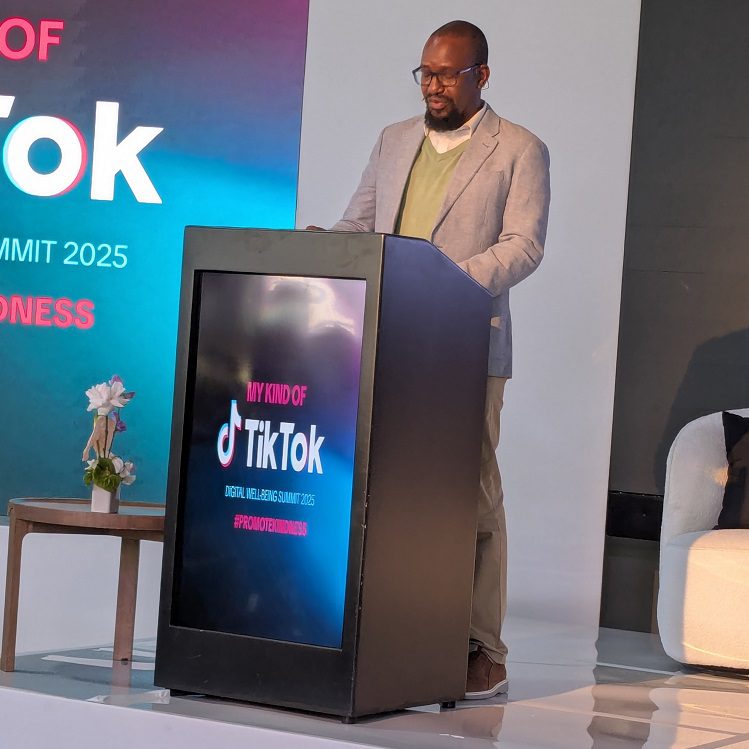
Similarly, TikTok’s Public Policy and Government Relations Director for Sub-Saharan Africa, Fortune Mgwili-Sibanda, in his welcome speech, explained that the company believes that safeguarding the platform is not a job that can be done by one entity alone.
“It is a collective effort that requires collaboration, trust and a shared commitment to positive change. To empower our communities on TikTok, we must provide them not only the tools to express their experiences but also a safe space where expression and creativity can flourish,” he said.
The summit was a gamified event. It featured several games, which generally buttressed the theme of the summit. They include a wall puzzle and quizzes moderated by the host on the day, the energetic and captivating South African radio and TV presenter, Melody Miya.
On Promoting civility and kindness
The presentations kicked off properly with a presentation on TikTok’s approach to safety, which is by promoting civility and kindness. It was done by both TikTok’s Risk Prevention Lead for Sub-Saharan Africa, Mercy Kimaku, and Outreach and Partnership Manager for Sub-Saharan Africa, Dudu Mkhize.
Mercy Kimaku noted that because the platform is a place for users to learn something new, for entertainment, to grow their businesses, and to creatively and authentically express themselves, it is imperative to protect users.
To do this, TikTok invests in policy control, technology, people, cultural adaptation and customisation.
In addition, the company prevents harm to users while promoting the freedom of expression. Expressions must adhere to civility, respect for local context, inclusivity, protection of privacy, fairness and justness.
“The safety and protection of our users is our top priority. We use technology and a human interface to moderate content and promote a positive environment. We have several measures in place to tailor our needs to our local markets,” Mercy said.
Expanding on this, Dudu Mkhize noted that the platform takes a holistic approach when crafting its policies and community guidelines. The policies and guidelines on civility and youth safety, and well-being are to combat hate speech and criminal activity.
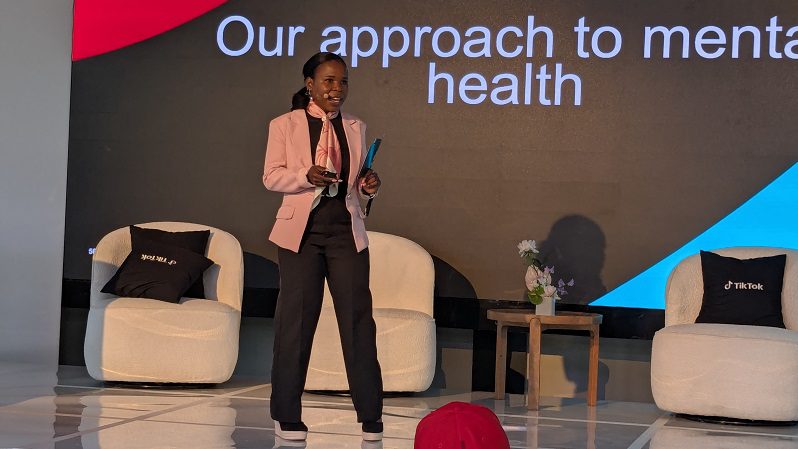
They also aim to tackle violent and hateful behaviours, harassment and bullying, youth exploitation and abuse, sexual exploitation and gender-based violence and human exploitation.
“Physical and psychological safety form the foundation of individual wellbeing, and civility is the key to a thriving community. Being civil does not mean people must always agree, but rather it is about recognising everyone’s inherent dignity and being respectful in action, words and tone when engaging others,” Dudu Mkhize said.
She pointed out that TikTok’s approach to moderation involves tech and people, noting that the company has put in place protective measures by combining content moderation technology with a robust human moderation team. Some of its basic safety features include account checks, warning strikes and in-app reporting features.
Emphasising the effectiveness of these measures, she noted that in 2024, 99.5 per cent of violating videos in South Africa were proactively identified by its system, leading to the removal of over 970,890 videos. She also revealed that 82.5 per cent of these videos were identified and removed within hours of being posted.
Read also: TikTok expands mental health education fund by $2.3M, Mentally Aware Nigeria among beneficiaries
TikTok’s approach to harassment, bullying and mental health
Dudu Mkhize also presented features to combat harassment and bullying. While encouraging creators and general users to speak up and report bullying, she pointed out that other features include comment filters, keyword filters, and bulk blocking, which allows users to block up to 100 comments and accounts at once.
“In addition to empowering creators with more tools, we also want to encourage our community to treat everyone with kindness and respect. A new comment prompt now asks people to reconsider posting a comment that may be inappropriate or unkind. It also reminds users about our community guidelines and allows them to edit their comment before sharing,” Dudu said.

Speaking about TikTok’s approach to mental health, she noted that while the platform does not allow content depicting, promoting, normalising or glorifying activities that could lead to suicide or self-harm, it also encourages users to protect themselves through several self-protection measures.
These measures include the Search Intervention tool, Control Your Scroll, which allows them control their experience, Manage Topics by dialling up or dialling down a topic, Smart Keyword Filters, and the Not Interested feature, which allows users see less of a particular kind of content that may be detrimental to their mental health.
She also announced screentime management tools, family pairing tools which allow parents to control what their young ones are exposed to on the platform, sleep reminder settings, and the power for users to control who can watch and comment on their videos. This is available for young users aged 13 to 15 years old.
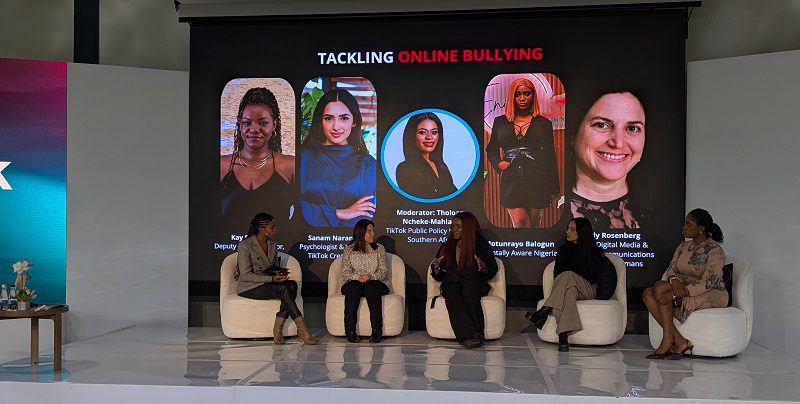
The event also featured panels like Tackling Online Bullying, moderated by TikTok’s Public Policy Manager for Southern Africa, Tholoana Ncheke-Mahlaela, and saw participation from the Head of Digital Media and Electronic Communications at Werksmans Attorneys, Wendy Rosenberg; TikTok Digital Wellbeing Ambassador, Sanam Naran; Operations Manager at Mentally Aware Nigeria, Motunrayo Balogun; and Mercy Kimaku.
Other panels include Creating a Positive Online Environment; Best Practices for Users and Platforms, moderated by Digital Learning Leader and Trust & Safety Practitioner, Evelyn Kasina, and saw participation of the CEO of South Africa’s Film and Publishing Board, Ephraim Tlhako; Development Manager at SADAG, Fatima Seedat; Mercy Kimaku; and a Member of TikTok’s Safety Advisory Council in Sub-Saharan Africa, Dennis Cofi.
And the panel on Mental Well-Being: A Shared Responsibility, moderated by Itumeleng Morule and witnessing participation from Fortune Mgwili-Sibanda, AOP at Kenya’s Capital FM, Anne Mwaura, among others.
In the end, the summit was an exhilarating experience that left participants not just with a sense of safety but also a desire to promote kindness and civility in their social and digital interactions.
Read also: Nigeria’s Doctor Wales, 3 others become first TikTok Digital Well-being Ambassadors for SSA
