


Social media platforms like TikTok and Instagram have become central to how young Africans access information, including financial advice. A 2023 report by Geopoll noted that TikTok is the second most popular social media platform in Africa, trailing only Facebook, with millions of users engaging daily.
This popularity has created opportunities for creators to build careers, but it has also opened the door to deceptive practices. Some influencers, often referred to as “finfluencers,” promote shady investment apps that promise quick wealth but can lead to significant financial losses.
These influencers may not be genuine, using tactics to mislead followers, particularly in regions where financial literacy is limited.
The questions are: how paid fake influencers operate on TikTok and Instagram in Africa, what risks do they pose, and what practical steps can you take to protect yourself?

How fake influencers operate
Fake influencers present themselves as successful investors or financial experts to gain trust. They use several deceptive tactics to promote shady investment apps:
- Undisclosed sponsorships: Many influencers fail to disclose that they are paid to promote investment apps, blending advertisements with personal advice. This lack of transparency violates advertising regulations but often goes unpunished due to weak enforcement.
- Fake profits: Some show fabricated profits, claiming success from apps to entice followers. An X post from 2023 described influencers using “fake funds” to demonstrate gains, a tactic that misleads users into believing the apps are legitimate.
- Affiliate marketing: Influencers earn commissions for each sign-up or transaction through their referral links. This financial incentive drives them to promote apps, even if they are risky or unverified.
- Artificial followings: To appear credible, some buy followers or use bots to inflate their audience size. A 2024 report by Influencity found that 74% of marketers encountered influencer fraud, with 23% of followers on average being fake.
‘Almost one-fourth of $1.9 billion in influencer marketing in the United States and Canada in 2019, roughly $255 million, unfortunately, went to fake influencers,’ influencity said.
These tactics exploit the trust that followers, especially young Africans, place in social media personalities. The promise of quick wealth is particularly appealing in regions facing economic challenges.
The African context
Africa’s social media landscape is vibrant, with TikTok and Instagram leading as platforms for entertainment and information.
The African.business report highlighted that TikTok’s growth has made it a key platform for African youth, with creators like South Africa’s Tadeus Mbatha gaining television stardom through their content.
However, this popularity also makes these platforms fertile ground for scams.
Lower financial literacy in some African regions increases vulnerability. A 2025 Forbes article found that 80% of forex advice on TikTok is potentially misleading, with only 13% of videos including disclaimers.
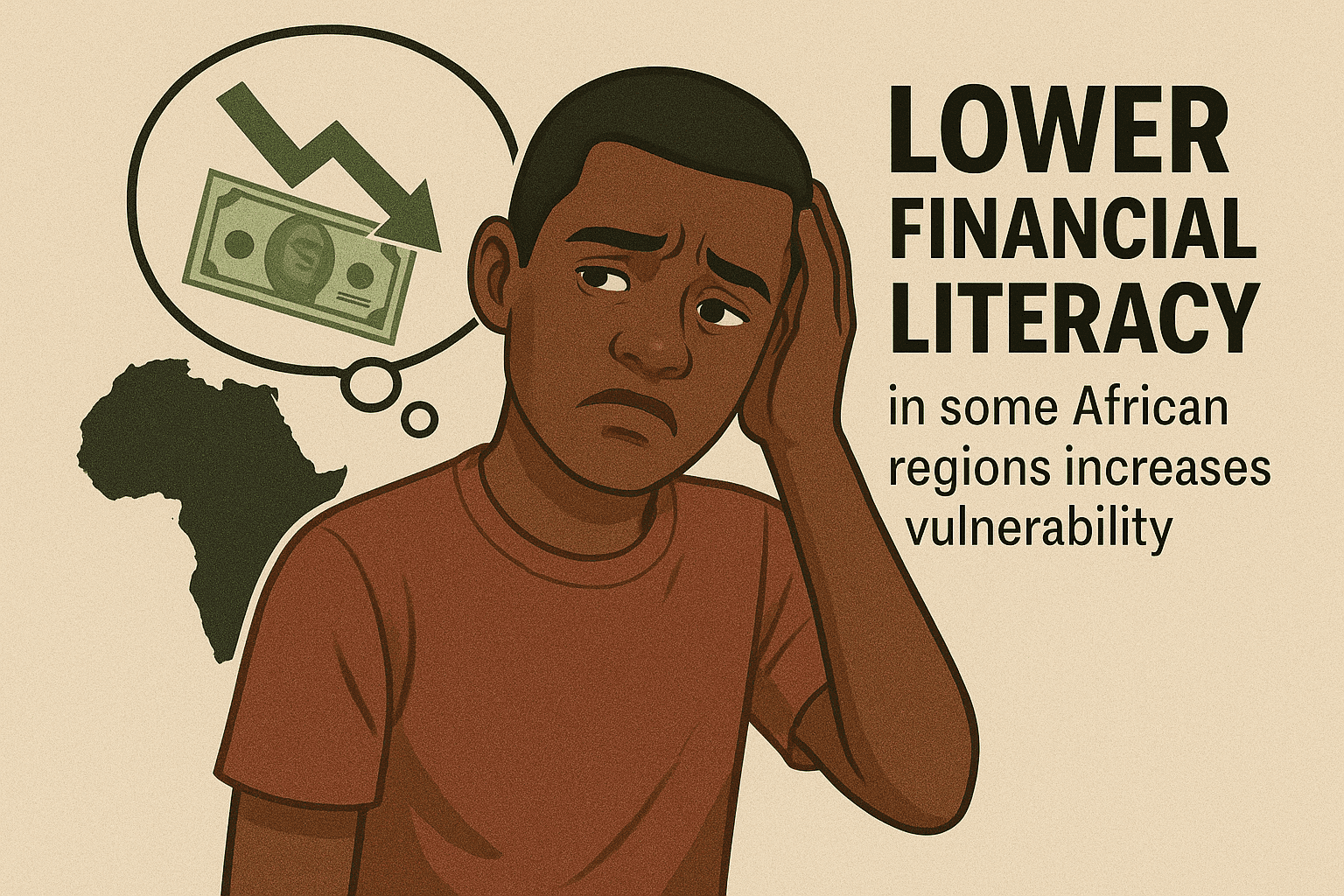
In Africa, where access to regulated financial education is limited, such content can have a significant impact. Additionally, 33% of traders reported being influenced by influencers, and 49% of consumers rely on their recommendations, according to the same study.
Economic pressures further amplify the risk. Many Africans, particularly young people, seek financial opportunities to improve their lives, making get-rich-quick schemes promoted by influencers especially tempting.
The OkayAfrica article noted that African creators often rely on brand sponsorships for income, which can include promoting financial products, some of which may be questionable.
“I have seen a lot of fake investment posts, especially in the crypto and forex. But I don’t think the government can do anything because these scams are usually perpetuated individually on their timelines,” a forex and crypto coach said.
Regulatory concerns and real-world examples
Regulatory bodies in Africa are beginning to address these issues, but challenges remain. A prominent case in South Africa involved the African Bank, which was fined R700,000 for a TikTok post by an influencer who described loans as “investments”.
Another is the case of suspects, Olaniyan Joshua, Oyetunde Julius Akano, and Victor Oluwale, who were arrested on May 1, 2025, in Abuja, after they were linked to a Q-net scam that allegedly raked in hundreds of millions of naira from students in Nigeria.
The influencer’s misleading claims show the dangers of unregulated financial promotions on social media. This incident, however, shows that authorities are starting to scrutinise finfluencer activities, but enforcement across Africa is still inconsistent.
Another example comes from a Reddit post describing a TikTok-related scam in South Africa, where users were asked to pay money to follow accounts on Telegram for promised returns. While not directly about investment apps, it illustrates the broader issue of social media scams targeting Africans.
In Nigeria, a recent case exposed how shady investment apps can deceive people through social media.
The Crypto Bridge Exchange, known as CBEX, was promoted by individuals who lured Nigerians with promises of high returns, leading to an alleged $1 billion fraud.
The Economic and Financial Crimes Commission arrested six promoters, including Adefowora Abiodun, Adefowora Oluwanisola, Emmanuel Uko, Seyi Oloyede, Avwerosuo Otorudo, and Chukwuebuka Ehirim, for using their company, ST Technologies International Limited, to run CBEX.

They advertised the platform widely, convincing people to invest in cryptocurrencies, only for victims to find themselves locked out and unable to withdraw funds. The court in Abuja rejected bail for three of these promoters, citing strong evidence of fraud.
“New investment platforms come up every day, and influencers will always be used. These investments are not new; they are recycled platforms with new names,” the forex coach noted.
Risks to African users
The risks of falling for these scams are significant, particularly for young Africans. The Forbes article noted that 70% of retail forex day traders lose money quarterly, a risk amplified by misleading influencer advice.
In Africa, where economic opportunities may be scarce, the promise of quick wealth can lead to substantial financial losses. Young users, who form the majority of TikTok’s audience, are especially vulnerable due to their trust in social media personalities.
The MoneyHelper article reported that 36% of adults use social media for financial information, a trend likely mirrored in Africa. Without proper financial education, users may not recognize the risks of unverified investment apps, leading to potential debt or loss of savings.
How to protect yourself
To avoid falling victim to fake influencers promoting shady investment apps, consider these practical steps:
- Be sceptical of quick riches: Promises of easy money are often too good to be true. Legitimate investments typically involve risk and require research.
- Check for disclosures: Look for clear statements that the content is sponsored. Influencers who hide payments are likely untrustworthy.
- Verify app legitimacy: Use regulated sources like BrokerChooser to check if an investment app is legitimate. Avoid apps promoted solely by influencers.
- Spot red flags: Be cautious of influencers who showcase lavish lifestyles without explaining their strategies or who push multiple paid promotions. Low engagement or suspicious follower demographics may indicate fake accounts.
- Seek trusted advice: Supplement social media advice with guidance from certified financial advisors or reputable institutions to ensure informed decisions.
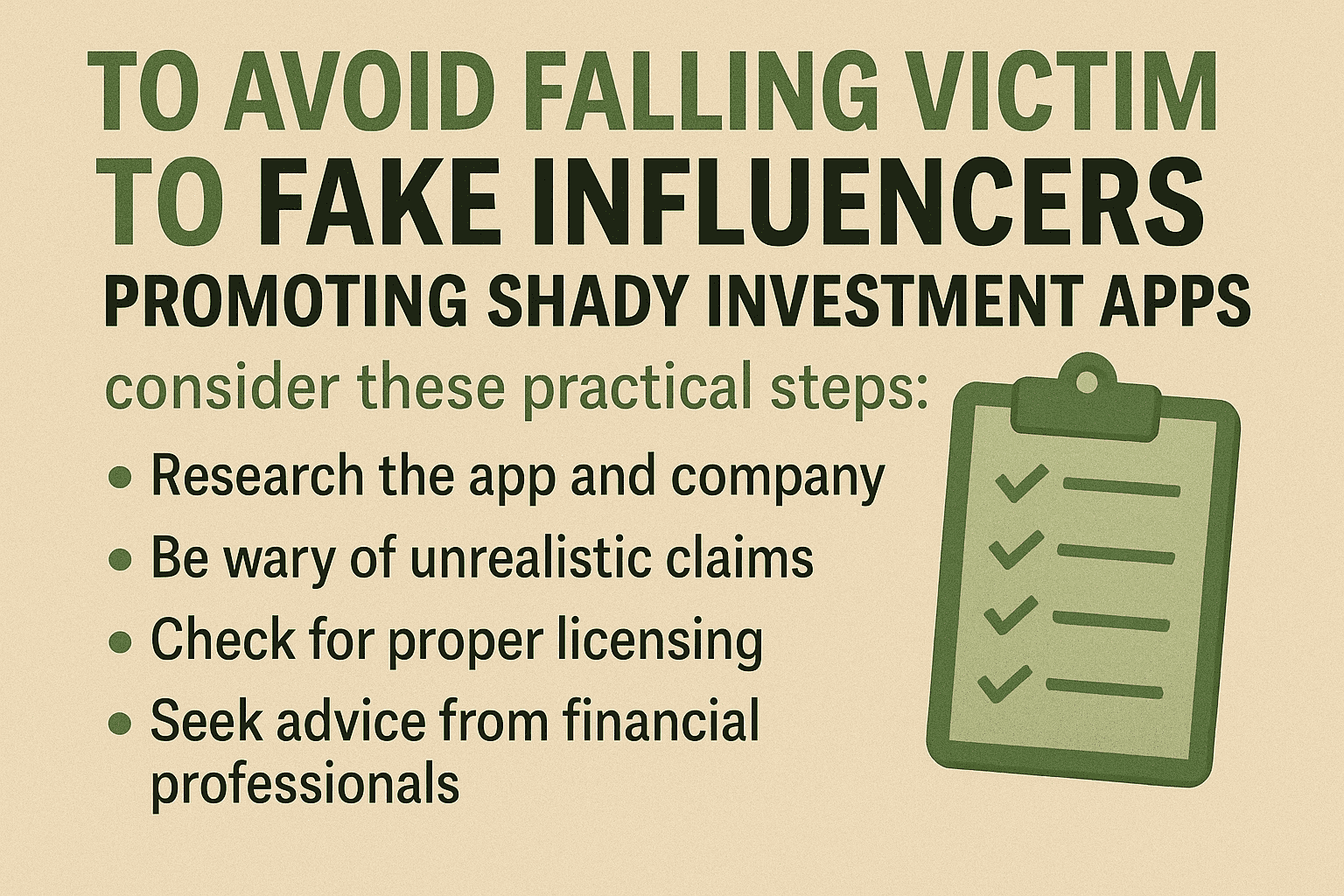
“Do your research about the company. Check for SEC certification. Also check how these platforms make money. If it is a referral system, it is obvious that the platform does not have money to give out,” the forex coach.
