



Meta, the parent company of Facebook, announced a significant policy update on July 14, 2025, aimed at curbing unoriginal content on its platform. This move follows YouTube’s recent efforts to tackle similar issues. The policy seeks to protect and elevate creators by reducing low-quality, plagiarised, or repurposed material circulating on Facebook.
For Nigerian creators, who form a vibrant part of the platform’s ecosystem, understanding this shift is crucial to thriving in the evolving digital landscape.
The policy targets accounts that repeatedly reuse text, photos, or videos without permission or meaningful enhancements. Meta has already taken action against 10 million profiles impersonating large content creators in 2025. Additionally, 500,000 accounts engaged in “spammy behaviour or fake engagement” faced penalties like reduced visibility and demonetisation.
Unoriginal content, as defined by Meta, involves reusing or repurposing another creator’s work without proper credit or significant changes. This includes reposting videos, images, or text without adding commentary, transformation, or attribution. Meta emphasises that it’s not against users engaging with trends or making reaction videos. Instead, the focus is on “lazy reposting” that exploits others’ creativity for views or monetisation.

For example, Meta discourages stitching together clips with minimal edits or adding a watermark without substantial value.
Meta also advises against using low-quality, automated AI-generated captions or producing short, low-effort videos. These practices, often enabled by AI tools, contribute to what’s termed “AI slop,” low-quality, mass-produced content flooding social platforms. While Meta does not explicitly ban AI-generated content, it stresses the importance of authentic storytelling.
Why Meta’s crackdown on unoriginal content matters for Nigerian creators
Nigeria’s digital creator economy is booming, with content creators leveraging Facebook to build audiences and monetise their work. From comedy skits to educational videos, Nigerian creators contribute diverse, culturally rich content. However, the rise of unoriginal content risks overshadowing their efforts. Copycat accounts can dilute a creator’s reach and earnings by reposting their work without permission.
Meta’s crackdown aims to level the playing field. By prioritising original content, the policy rewards users who invest time and effort in their work. Nigerian creators can benefit by focusing on unique storytelling and meaningful engagement.
Read also: Inside Africa’s internet shutdown economy: why and who pays the price?
Meta is also testing a feature to add links to original creators on duplicate videos, ensuring proper attribution. This could boost visibility for authentic creators while discouraging impersonators.
Meanwhile, the policy is not without challenges. Meta’s reliance on automated systems to detect unoriginal content has sparked concerns among creators globally, including in Nigeria.
A petition with nearly 30,000 signatures highlights issues with wrongful account disabling and a lack of human support. Small businesses, many run by Nigerian creators, have been impacted by erroneous enforcement. Meta has yet to address these concerns publicly, raising questions about the accuracy of its AI-driven moderation.
Nigerian creators must navigate these changes carefully. Those who rely on resharing viral content without significant edits may face reduced reach or monetisation penalties. Meta’s Professional Dashboard now includes tools to check if a page risks penalties, helping creators stay compliant.
Other platforms are taking similar steps
Meta’s policy aligns with a broader industry trend. YouTube recently updated its YouTube Partner Program (YPP) to crack down on “mass-produced” and “repetitive” content. The platform clarified that AI tools are welcome if they enhance storytelling with original commentary or educational value. Like Meta, YouTube aims to curb AI slop and protect creators from copycats.
TikTok has also faced issues with AI-generated deepfake videos replicating popular creators’ content. While TikTok has not announced a specific policy update, the platform is under pressure to address similar concerns.
Other platforms, like X and LinkedIn, are exploring ways to manage the influx of AI-generated content, signalling a shift toward prioritising originality across social media.
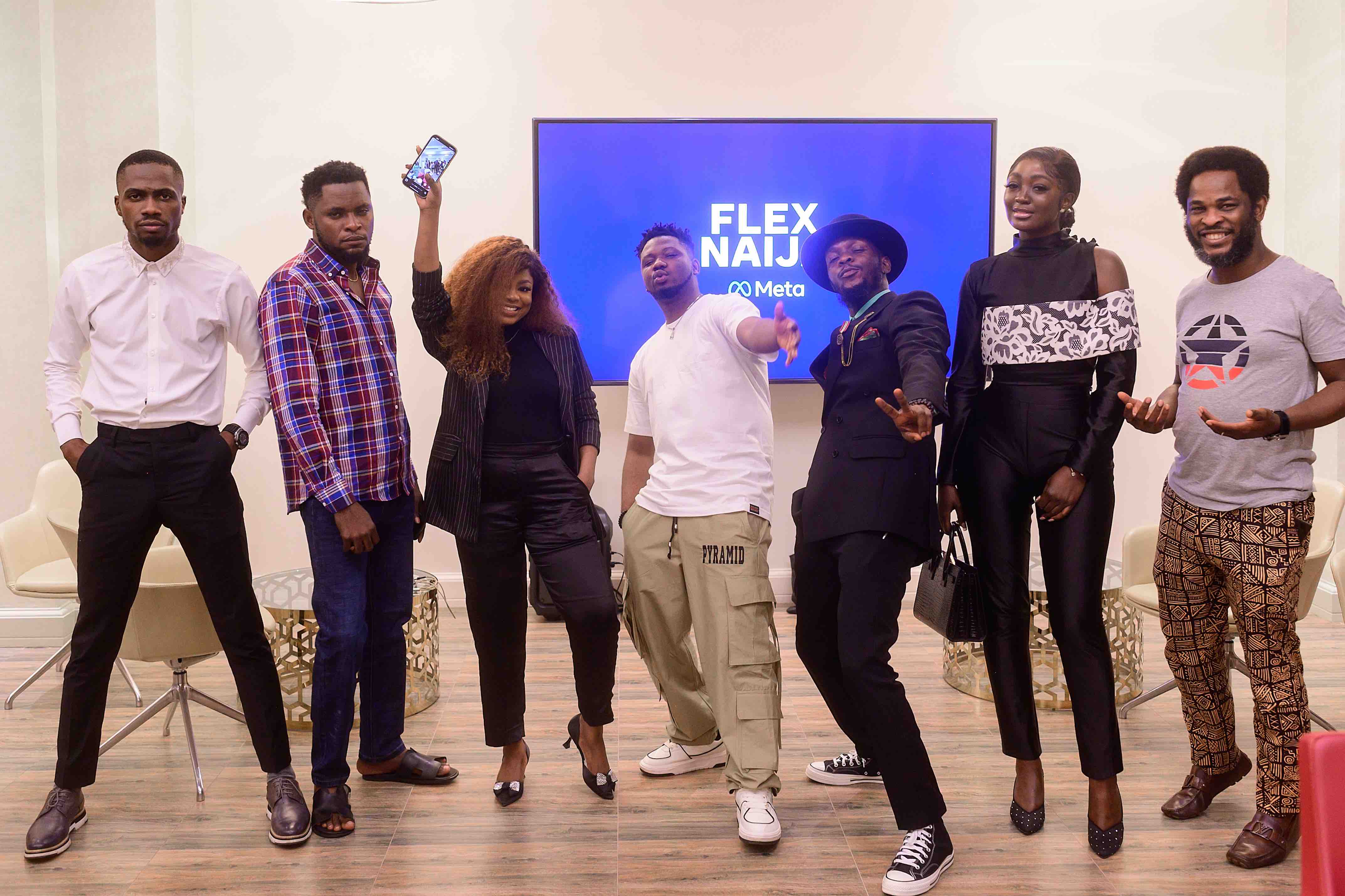
Meta offers clear guidance for creators to succeed under the new rules.
First, focus on original content you have filmed or created yourself. When using third-party content, add meaningful edits, narration, or commentary. Prioritise storytelling over short, low-effort posts. Avoid recycling content with watermarks or low production value. Finally, write high-quality captions with minimal hashtags to enhance engagement.
Nigerian creators can also leverage Meta’s Rights Manager to protect their content from unauthorised reuse. Reporting impersonators in comments and using Moderation Assist to auto-hide fake accounts can further safeguard their work.
