





Nigeria’s drive toward a cashless economy has accelerated in recent years, powered by government policies promoting digital payments, the introduction of the eNaira, and an expanding network of Point of Sale (POS) terminals.
From open markets to intra-city transport, cash is no longer the only king, especially because digital transfers, mobile banking apps, and wallet-based payments are increasingly part of daily transactions, even at the informal edge of the economy.
Behind this surge, however, lies a less discussed cost: transaction fees that chip away at already thin margins. For many small vendors, artisans, and riders, embracing cashless payments comes not with savings or safety, but with a quiet erosion of profit. Digital is increasingly becoming the norm, so the question is not just who has access, but also who can afford to use it.

No doubt, digital payments offer speed and flexibility. But for informal traders, the convenience carries a price tag. Each POS withdrawal or bank transfer typically attracts charges ranging from ₦10 to ₦100, depending on the platform and transaction size. For someone selling sachet water or roasted plantain or the most traded product, pepper and tomato, this isn’t just a minor fee; it can erase a meaningful share of daily earnings.
A trader who makes a ₦200 profit on a ₦2,000 sale could lose ₦20 to a bank transfer. That 10% hit comes on top of rising fuel costs, market levies, and inflation. What looks like financial modernisation on paper often feels like slow bleeding on the ground.
These costs are not isolated. POS operators also pass their service charges to end-users. A customer buying tomatoes worth ₦500 might be asked to pay ₦550 to cover transfer fees. Many refuse, walking away or insisting on paying cash. The burden doesn’t just affect merchants; it shapes how people buy and sell at the most basic level.
For small businesses running on thin margins, the math doesn’t add up. Digital is faster, yes. However, it’s also more expensive, especially when every naira matters.
In case you missed it: Will Nigeria’s ₦50 electronic money transfer levy disrupt its cashless revolution?
Market traders speak
In the ever-busy Oshodi market in Lagos, a pepper seller shrugs when asked about transfers.
“If I collect money by POS, I lose part of my profit. The customer will not pay the charges, and I cannot force them.” Her words echo across stalls and workshops, from fruit sellers in Magboro to food spices traders in Ketu market.
A corn seller in Arepo puts it bluntly: “POS people charge us. Banks charge us. But customers still expect the same price.”
She said she often asks buyers to pay cash or add extra to cover the transfer fees. Most refuse. That resistance forces many traders to keep handling physical cash, not out of preference but necessity.
Digital tools are present, but trust isn’t guaranteed. Several artisans speak of failed transfers, delayed alerts, or funds disappearing during network failures. The cost of chasing a ₦2,000 reversal with a bank branch visit or customer care call is rarely worth it.
Digital disincentives
Cashless transactions were meant to simplify commerce. For many micro-entrepreneurs, they do the opposite. High transaction charges, stacked on unpredictable service reliability, have created a system that works better for banks than for those who earn by the day.
Several traders now treat digital payments as a fallback, not a default. A POS operator in Oshodi shared that her busiest hours are in the morning when small traders collect physical cash to avoid charges on transfers.
She noted, “People will pay ₦100 extra to withdraw ₦5,000 just to avoid the transfer drama.” That workaround may be inefficient, but it preserves value, something the digital process often does not.
Countries like India and Kenya have structured small digital payments to be zero-fee or subsidised for low-income users. Nigeria took a different path, pushing adoption while allowing banks and fintech entities set fees without protective caps. The result is a lopsided ecosystem: digital is promoted, but not made viable for those who need it most.
Read also: Are there really cashless economies?
When charges eat into working capital and reliability is low, traders disengage, not out of resistance to technology, but in defence of survival.
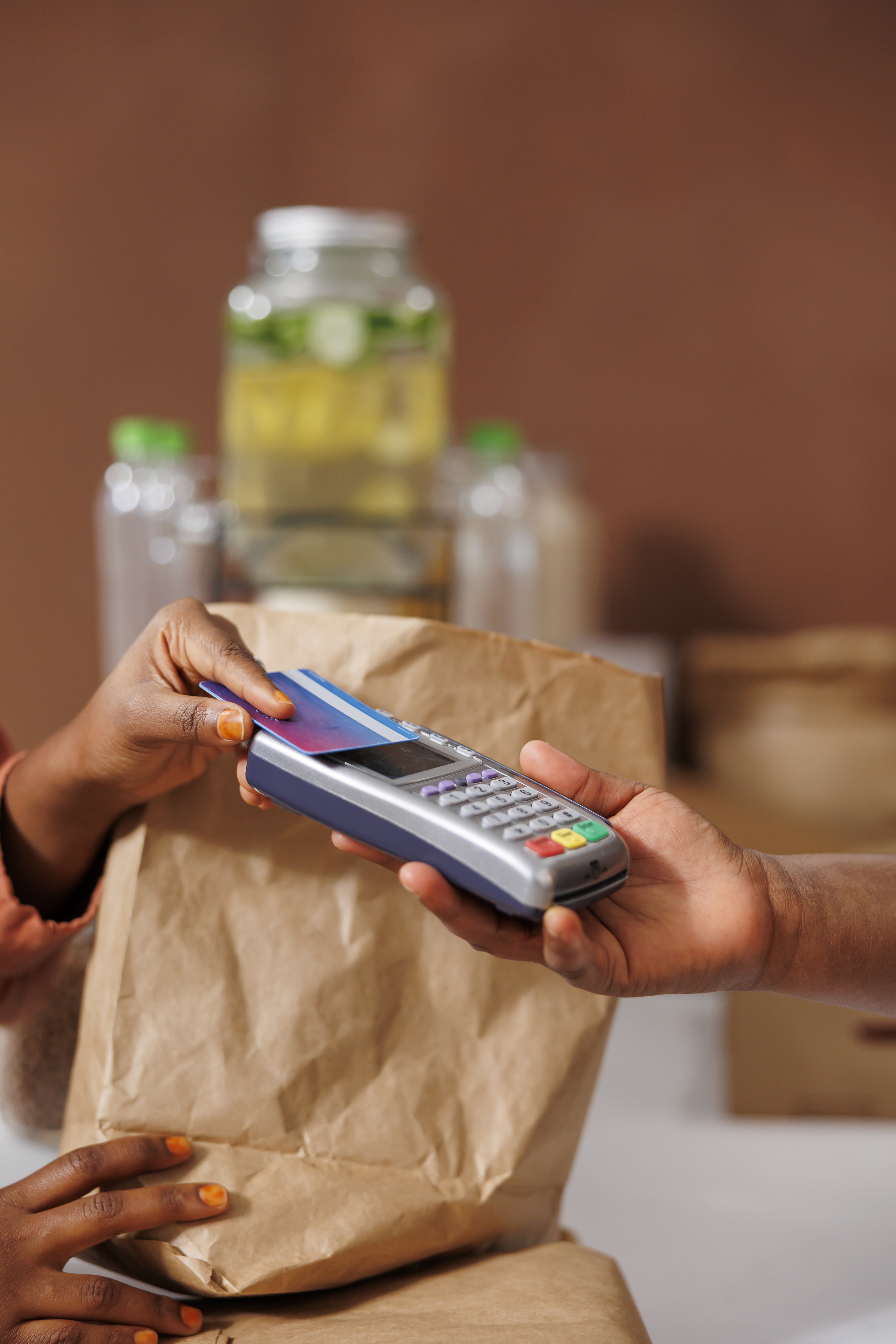
Here’s a quantitative illustration comparing a pepper seller who uses digital payments vs. one who deals only in cash, over 3 months (approx. 90 days). Assumptions are based on real transaction patterns from Nigeria’s informal markets.
Typical case study
- Average daily sales: ₦15,000
- Profit margin: 15% → ₦2,250/day
- Customer count per day: 20
- Average sale per Customer: ₦750
- Digital users: 70% of customers opt for bank transfer or POS
- Transaction charge: ₦20 per digital payment (customer rarely pays it)
Pepper seller A uses digital payments
Over 90 days:
- Total sales: ₦15,000 × 90 = ₦1,350,000
- Gross profit: ₦2,250 × 90 = ₦202,500
Digital transactions:
- Daily digital transactions: 70% of 20 = 14
- Total digital transactions: 14 × 90 = 1,260
- Total charges paid: 1,260 × ₦20 = ₦25,200
Net profit: ₦202,500 – ₦25,200 = ₦177,300
Pepper seller B – uses only cash
Over 90 days:
- Total sales: ₦1,350,000
- Gross profit: ₦202,500
- Bank charges: ₦0
- Cash handling cost (misc. e.g., market levies or theft risk): Let’s assign ₦5,000 over 3 months for realism.
Net profit: ₦202,500 – ₦5,000 = ₦197,500

Insight: Over just 3 months, the digital-leaning seller loses ₦20,200, almost 10% of total profit, to transaction fees. Scale that across thousands of micro-traders, and you see why digital adoption stalls unless charges are restructured.
Key takeaway
Nigeria’s push for a cashless economy often frames digital access as progress. But for millions in the informal sector, that access comes at a cost they quietly absorb each day. When transferring ₦1,000 costs ₦20, and that ₦20 is a trader’s margin, inclusion becomes theoretical.
Transaction fees may seem small in isolation, but their cumulative impact distorts how the poor engage with finance. It’s not enough to provide digital channels; they must be designed to reflect the realities of low-margin, high-volume livelihoods.
A real inclusion strategy would ask: Can micro-businesses use digital tools without losing value? Until that answer is yes, adoption will remain partial, reluctant, and burdened by quiet disincentives.
Policy needs to move beyond rollout and start addressing affordability. A regulatory review of transaction charges, especially for low-income and high-frequency users, is long overdue. Cashless can work, but only if it works for those who use it the most.
