





The Presidential Compressed Natural Gas Initiative (PCNGI) in Nigeria has hit back at allegations of nepotism and concealment. A recent report by Premium Times accused the initiative of unethical practices and misrepresentation. PCNGI, in a statement earlier today, called the claims “unprofessional” and “misleading,” insisting its operations are transparent and its achievements transformative.
PCNGI’s Brand and Corporate Communications Manager, Matilda Johnson, led the charge in a detailed rebuttal.
The initiative denounced the Premium Times report as a deviation from ethical journalism. Johnson argued the article relied on “conjecture, factual misrepresentation, and unfounded innuendos.”
Specifically, the report alleged that Mr. David Idakwo, a PCNGI staff member, held a senior decision-making role and was linked to nepotism due to his past business affiliations.

Johnson clarified that Idakwo is a mid-level field officer, hired in late 2024. “He holds no executive role and is not involved in strategic decision-making,” she stated.
The claim of nepotism, she added, is “patently false” and an affront to Nigerians’ rights to legitimate business pursuits. PCNGI suggested the accusations stem from vested interests opposed to its reforms in the gas conversion ecosystem.
The Premium Times report also claimed PCNGI removed a list of approved CNG conversion centres from its website to suppress information. Johnson countered that the website is undergoing scheduled updates to include a more comprehensive list of newly approved centres.
“This aligns with our transparency standards,” she emphasised. The initiative’s commitment to openness, she argued, is evident in its track record of expanding Nigeria’s CNG infrastructure.
Since its inception under President Bola Tinubu’s administration, PCNGI has driven significant progress. Johnson highlighted over $800 million in public and private investments, the creation of 100,000 direct and indirect jobs, and a rapid expansion of vehicle conversion centres. From just seven centres nationwide at the programme’s start, Nigeria now boasts over 300, with 20 new centres opening weekly.
PCNGI is championing Nigeria’s clean energy transition
PCNGI’s work is central to Nigeria’s push for cleaner, more affordable fuel alternatives. The initiative aims to reduce reliance on costly, environmentally harmful fuels like petrol.
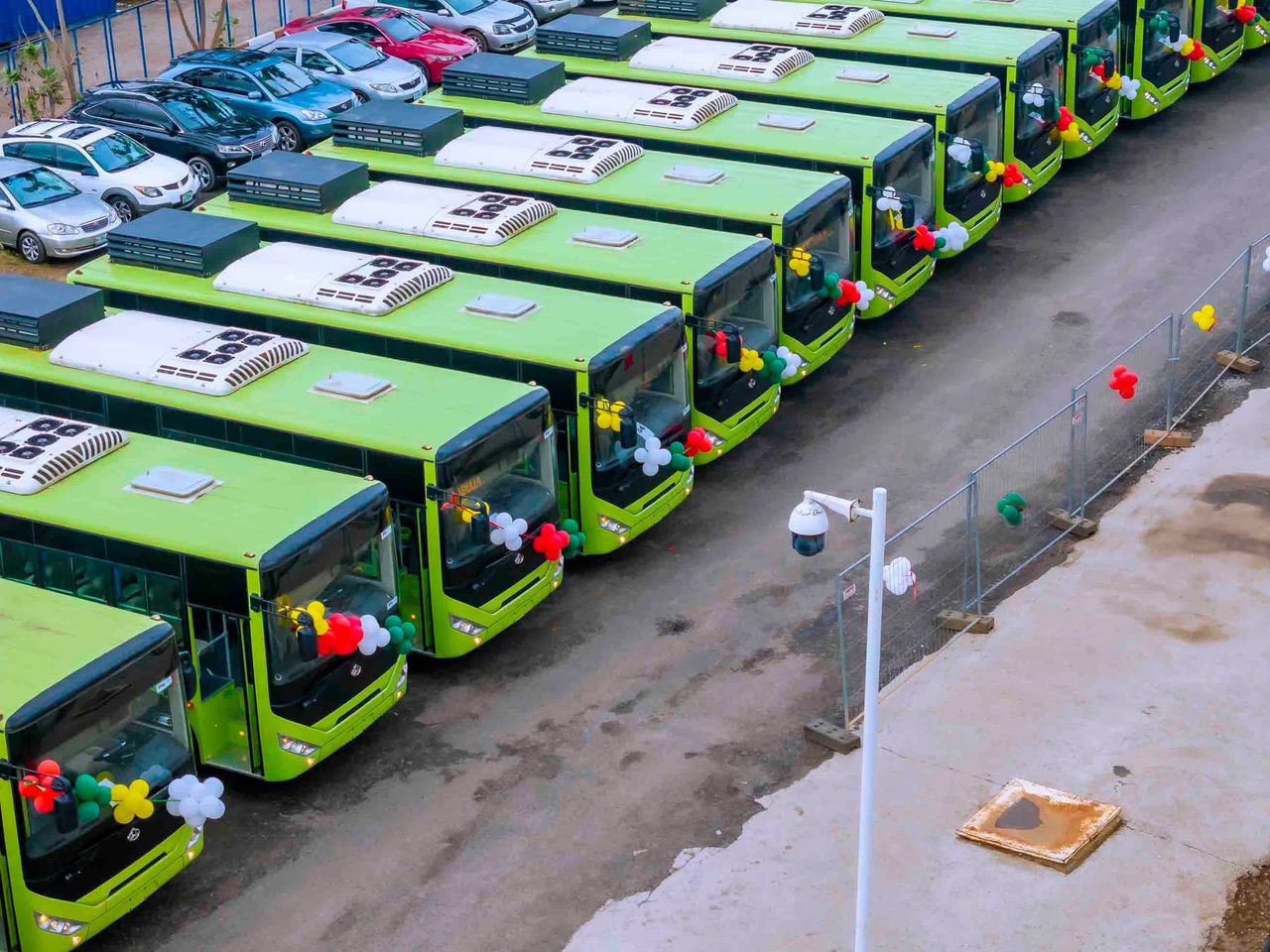
A major milestone is the Dangote Group’s deployment of 4,000 CNG-powered trucks, 100 virtual pipeline vehicles, and multiple daughter stations. This move signals strong private-sector confidence in PCNGI’s vision.
The programme also supports local micro, small, and medium-sized enterprises (MSMEs). Partnerships with these businesses have fuelled the growth of conversion centres, making CNG more accessible to commercial drivers.
However, public frustration persists over high transportation costs, even with CNG adoption. In May 2025, PCNGI’s CEO, Michael Oluwagbemi, acknowledged supply bottlenecks but promised phased improvements. He noted collaborations with ride-hailing platforms like Uber and Bolt to encourage fare reductions for CNG vehicle operators.
It is worth noting that this is not the first time PCNGI has faced scrutiny. In December 2024, the initiative suspended a conversion partner, C & L Smart Energy Limited, for allegedly selling government-subsidised CNG kits meant to be free for commercial operators.
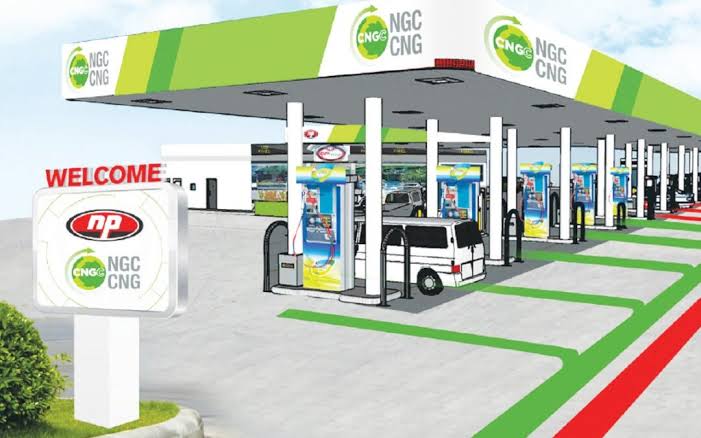
The initiative also faced criticism after a CNG vehicle explosion in Edo State in October 2024, which injured three people. PCNGI attributed the incident to an illegally modified vehicle with an improperly welded cylinder. The organisation is now advancing its Nigeria Gas Vehicle Monitoring System to enhance safety and compliance.
PCNGI remains undeterred, emphasising its focus on Nigeria’s energy transition. The initiative’s efforts to enforce compliance and distribute subsidised kits have unsettled some players, Johnson noted. Yet, the organisation vows to continue its mission.
“We will not be swayed by smear campaigns,” she said.
As Nigeria navigates economic reforms post-fuel subsidy removal, PCNGI’s role is critical. The initiative’s ability to deliver cheaper, cleaner fuel could ease transportation costs for millions. However, maintaining public trust will require consistent transparency and robust oversight.
