




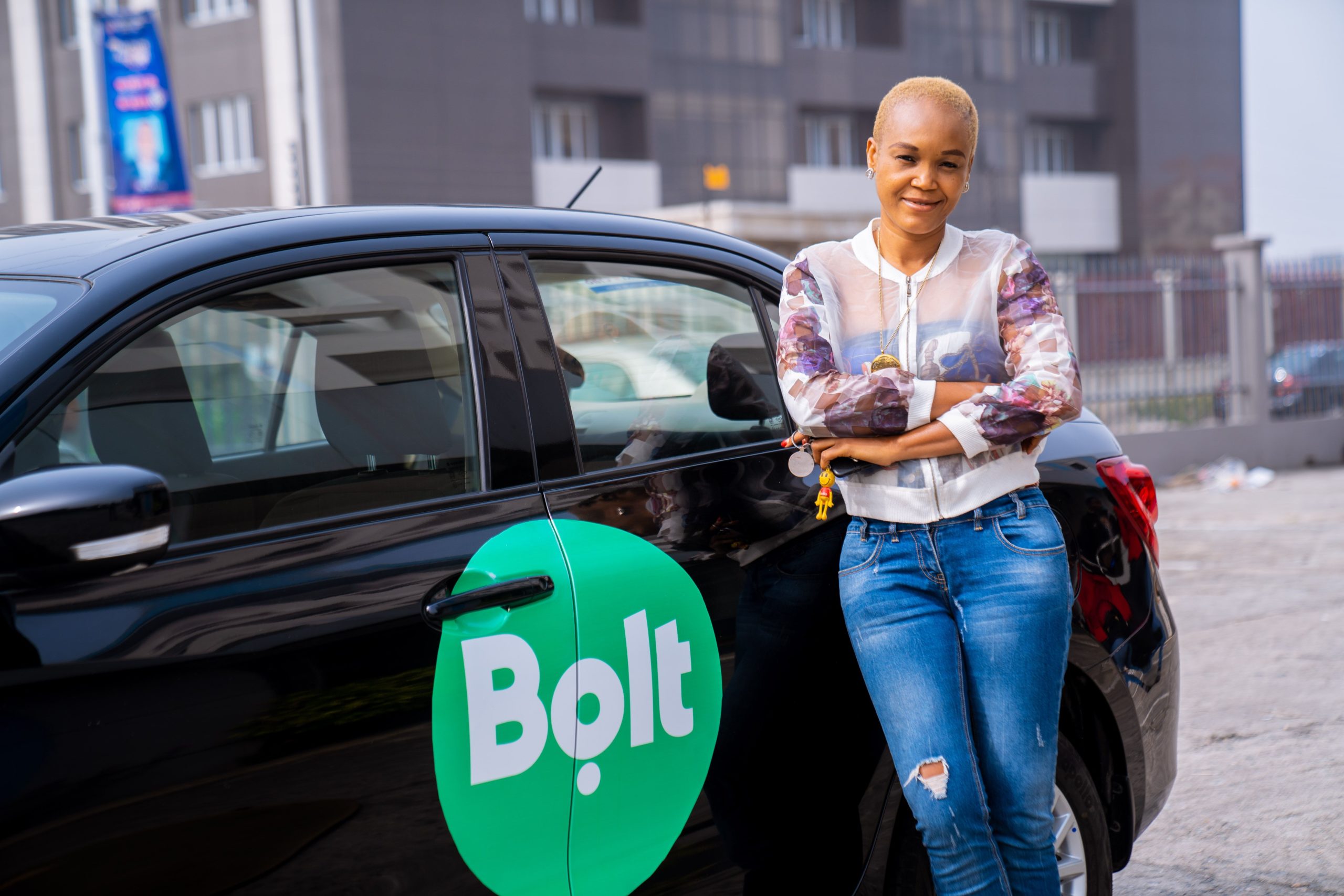
A major e-hailing company in Nigeria, Bolt, says its top drivers earn a monthly average of ₦1,610,351. The company disclosed this in a statement seen by Technext. According to the company, this monthly income range puts it above its arch-rival, inDrive, which reportedly announced a ₦1.2 million monthly average.
Bolt also disclosed that its top 50 drivers earned over ₦9.6 million in six months, an income which it says reinforces its industry-leading earning power, reflects its commitment to driver support, and reveals strong demand for e-hailing services.
“The earnings data reflect Bolt’s continued investment in driver support, incentive schemes, and operational improvements to ensure a rewarding experience for its driver community. These figures also highlight the growing demand for ride-hailing services in Nigeria, driven by increased urban mobility needs and rider trust in Bolt’s affordable, safe, and accessible services,” the company said.

Explaining how the ₦9.6 million average over six months was arrived at, the company said it calculated based on gross trip earnings. These include bonuses and incentives available to drivers who consistently maintain high ratings, accept ride requests, and complete a large volume of trips.
The app company further noted that it is continuously rolling out a range of initiatives aimed at enhancing driver wellbeing, such as fuel support, safety features, flexible working hours, and reward schemes, while also improving service quality for riders across the country.
Speaking about the development, General Manager of Bolt Nigeria, Osi Oguah, said the company remains focused on improving driver experience while offering substantial financial rewards.
“At Bolt, we are committed to creating economic opportunities for our driver partners. This report demonstrates that consistent engagement on the platform can yield substantial financial rewards. We remain focused on improving the driver experience and ensuring sustainability in the gig economy,” he said.
Bolt’s report comes amid calls for improved welfare
Bolt’s report is coming just days after the Lagos chapter of the Nigerian Labour Congress (NLC) chided ride-hailing companies, including Bolt, Uber and inDrive, on poor driver welfare while challenging them to justify what they do with the huge commissions they receive.
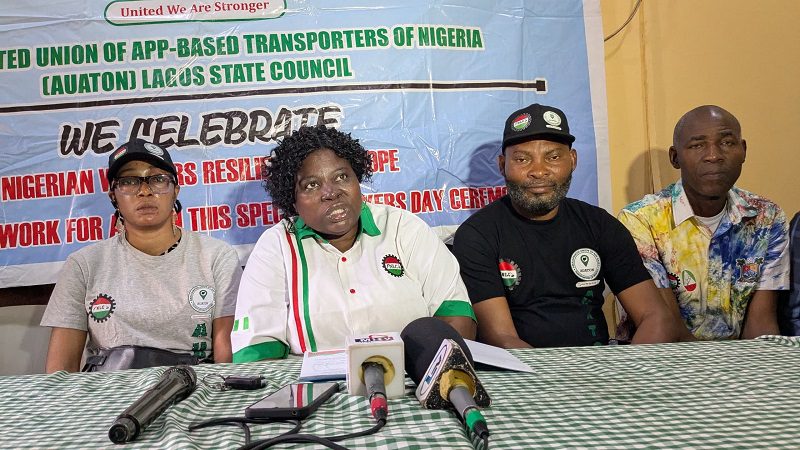
The Chairperson of the Lagos Chapter of the NLC, Comrade Agnes Sessi, made the call during a joint press briefing with the leaders of the Amalgamated Union of App-based Transporters of Nigeria (AUATON) Lagos Council.
According to her, the structure of the commission from the ride-hailing companies is killing the drivers and making it difficult for them to earn a reasonable income.
This is particularly distressing considering that the app companies do not provide vehicles for drivers.
“They will bring everything themselves. You are the owner of your vehicle. You will fuel your vehicle, repair it, and when police, LASTMA, or FRSC harass you, you will settle the matter. You do the documentation. The only thing the app companies do is refer riders. And then they are now exploiting them by getting 25 to 30 per cent. It is an exploitative commission. It is too much,” Comrade Sessi said.
See also: NLC challenges Uber, Bolt to justify 20-25% commission, insists drivers are workers
She also challenged the companies to demonstrate the value that they are providing with the huge commissions. According to her, they do not provide training, safety equipment, or welfare packages like health insurance for the drivers.
“You are milking them dry. We have seen situations where these drivers slump while driving. Some of them will drive from morning till night and can only go home with N5,000. There is no form of health insurance for them, no protection; you expose them to all vices. You are treating these workers like modern-day slaves, even in their fatherland, and that is why we are saying enough is enough,” Comrade Sessi said.
Despite the calls for improved welfare and earnings across the board, Bolt says it remains a critical driver of economic empowerment across Nigeria, offering thousands of drivers a flexible and scalable way to earn income while supporting broader mobility needs.
