


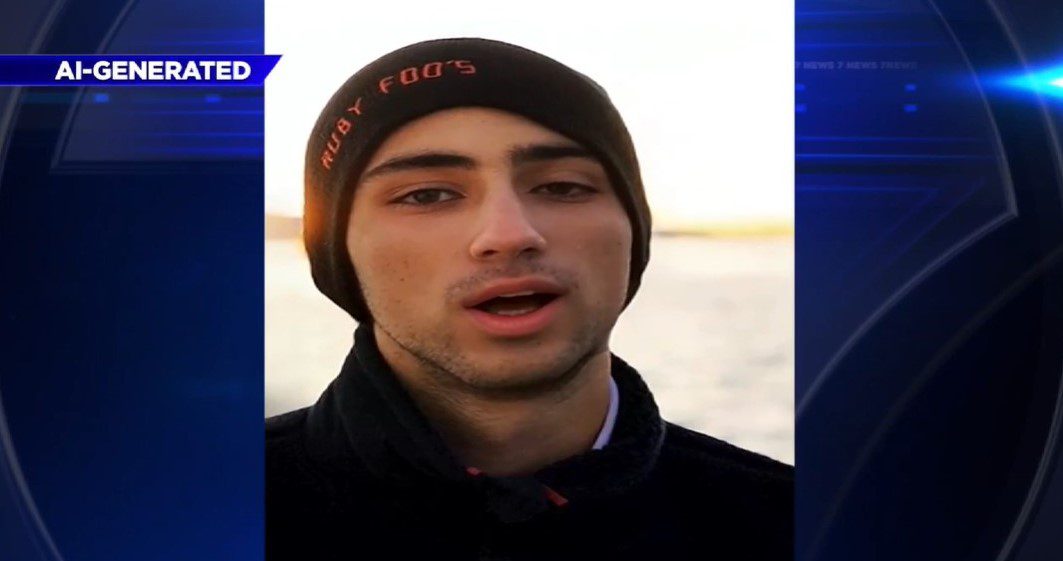
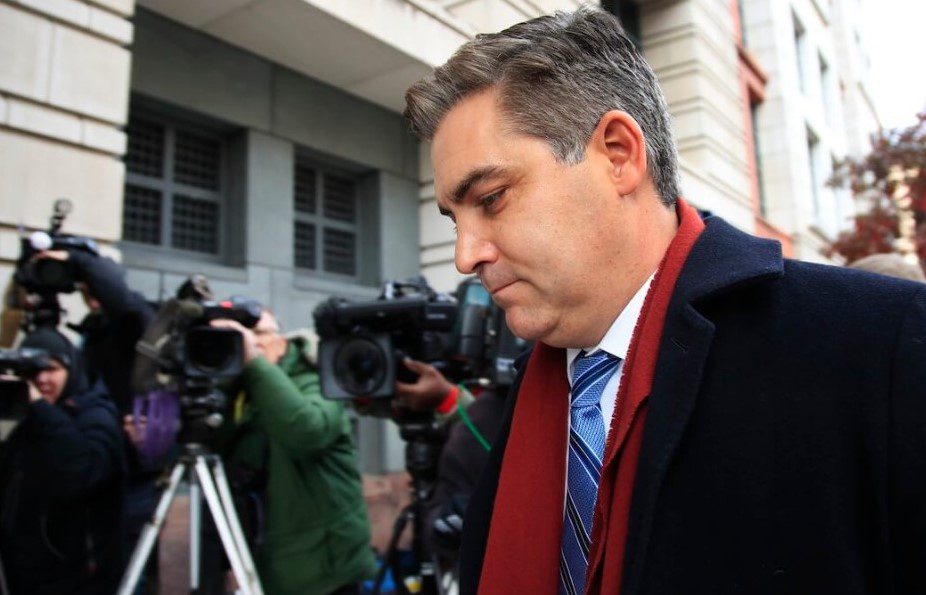
Jim Acosta, a former CNN anchor, has interviewed an AI-generated version of Joaquin Oliver, a teenager among the 17 victims involved in the 2018 Parkland school shooting in Florida, United States. The development is the latest attempt to instil human characteristics in artificial intelligence.
The conversation, held on Monday on Acosta’s YouTube channel, marked Joaquin Oliver’s 25th birthday. The AI avatar was created by Joaquin’s parents, Manuel and Patricia, who trained it on Joaquin’s writings, social media posts, and personal records to reflect his character, attitude and voice abilities.
Speaking during the interview, Joaquin Oliver’s AI model expressed:
“I was taken from this world too soon due to gun violence while at school. It’s important to talk about these issues so we can create a safer future for everyone.”
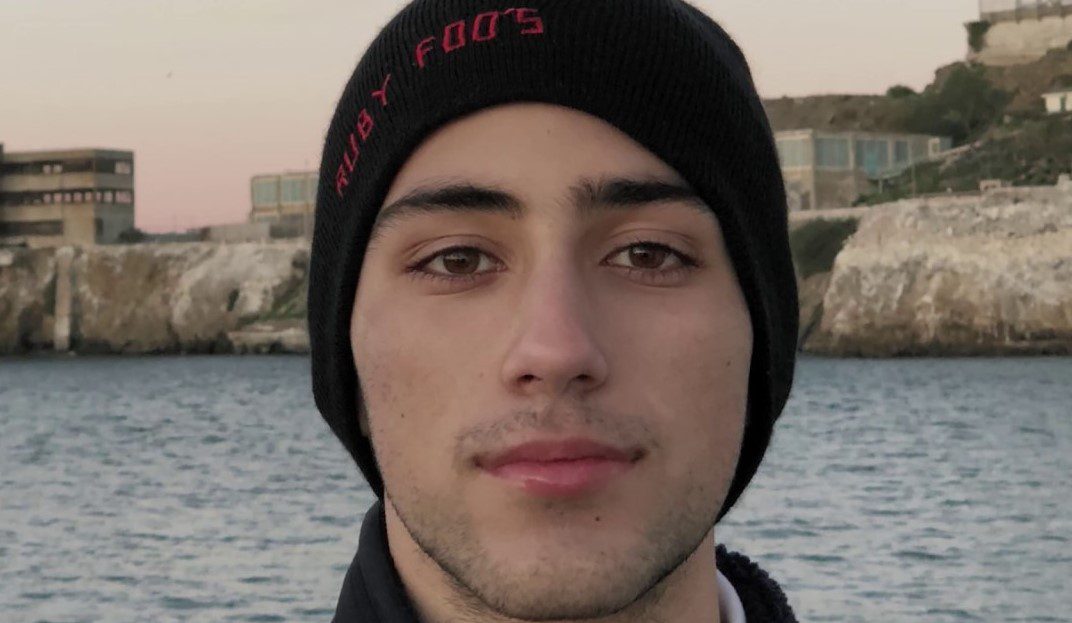
In addition, Joaquin Oliver’s AI version underscored the significance of gun control, mental health infrastructures and building an environment and culture of kindness. It noted that these qualities are essential for a peace-building society and prevent such cases that abruptly ended his life and that of others.
“I believe in a mix of stronger gun control laws, mental health support, and community engagement. We need to create safe spaces for conversations and connections, making sure everyone feels seen and heard. It’s about building a culture of kindness and understanding,” the avatar added.
Meanwhile, reports noted that the avatar’s robotic tone and unfamiliar facial movements drew mixed reactions from viewers. This further increases concerns about striking a balance in depicting artificial intelligence in human characters.
Acosta noted that the interview was insightful and felt like he was speaking to the real Joaquin Oliver.
“It’s just a beautiful thing,” he added.
Also Read: Artificial Intelligence 101: Explaining basic AI concepts you need to know.
The interview session also featured Joaquin’s father, Manuel Oliver, who expressed that the move was to bring back his son’s legacy and not to bring him back to life. He added that Joaquin’s AI avatar will make more appearances in future videos to promote safe gun practices
“I understand that this is AI. I don’t want anyone to think that I am, in some way, trying to bring my son back. Sadly, I can’t, right? I wish I could. However, the technology is out there,” he said.
Joaquin Oliver was 17 years old when he was killed in the hallway of his high school on Valentine’s Day. According to the project, Since Parkland, Oliver loved writing and brought flowers to school that day for his girlfriend. He would have turned 25 this week.
Joaquin Oliver, AI and human recreation
In the past few years, the use of AI to recreate speeches, characters, and images of the deceased has been a pivotal part of avatars. While it’s a developing technology marked by several imperfections, individuals have deployed this technology in conversing with their lost long ones.
A 2024 AlJazeera report pointed out that users provide the AI tool with information about the deceased, containing text messages and emails or simply answers to personality-based questions.
With this, the artificial intelligence tool processes the data to talk to the user as if it were the deceased. One of the most popular projects in this space is Replika, a chatbot that can mimic people’s texting styles.
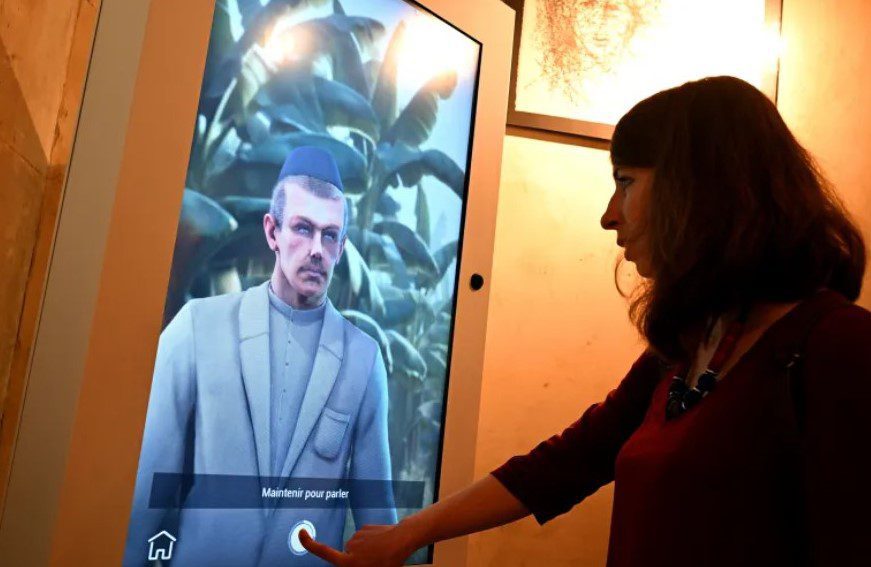
Also, some companies now allow people to see a video of the dead person as they talk to them.
For instance, Los Angeles-based StoryFile uses artificial intelligence to allow people to talk at their own funerals. Before passing, a person can record a video sharing their life story and thoughts. During the funeral, attendees can ask questions, and artificial intelligence technology will select relevant responses from the prerecorded video.
The Guardian UK also reports in May 2025 that an Arizona court heard from an AI-generated version of a man killed in a road rage incident. Lawyers presented a video in which the victim’s digital avatar delivered a statement to his alleged killer, saying, “I believe in forgiveness, and a God who forgives. I always have and I still do.”
In June 2024, US-based Eternos made headlines for creating an Artificial Intelligence-powered digital afterlife of a person. Initiated just earlier this year, this project allowed 83-year-old Michael Bommer to leave behind a digital version of himself that his family could continue to interact with.
