




Efficiency has always been at the heart of exceptional engineering. Every system we create, whether it’s software, infrastructure, or industrial processes, is evaluated on how effectively it functions with the least amount of waste. Despite increases in processing power, automation, and optimisation approaches, the world’s systems continue to consume significantly more resources than are required.
The inefficiencies built into energy grids, supply networks, and industrial processes are similar to the technical debt that accumulates in badly designed software—both slow things down, cost more to maintain, and, if left unchecked, eventually fail.
Sustainability, at its core, is an optimisation problem. The same way that software developers rewrite bloated code to decrease complexity and increase efficiency, we should refine the systems that power today’s economy. However, many of the technologies that should have addressed these inefficiencies have instead contributed to the problem.
The rise of cloud computing, for example, was intended to increase efficiency, but in practice, most firms leave virtual machines inactive, grow resources reactively rather than wisely, and store data without thinking whether it will ever be used. When properly implemented, the cloud is one of the most powerful instruments for sustainability, yet much of its potential is wasted due to sloppy design.
Computational waste is both a financial and environmental issue. Every byte of data saved, every needless API request, and every inefficient background function increases energy usage. A poorly optimised database not only slows down searches, but also demands more computation cycles, uses more power, and puts additional burden on infrastructure.
Engineers who take the effort to simplify their systems—whether through indexing, query optimisation, or minimising redundant storage—do more than just improve speed; they actively reduce energy waste. The same concepts apply outside software, where decentralised infrastructure may provide the same efficiencies that microservices did for application development.
Read also: Using Community to Accelerate Product Adoption and Retention
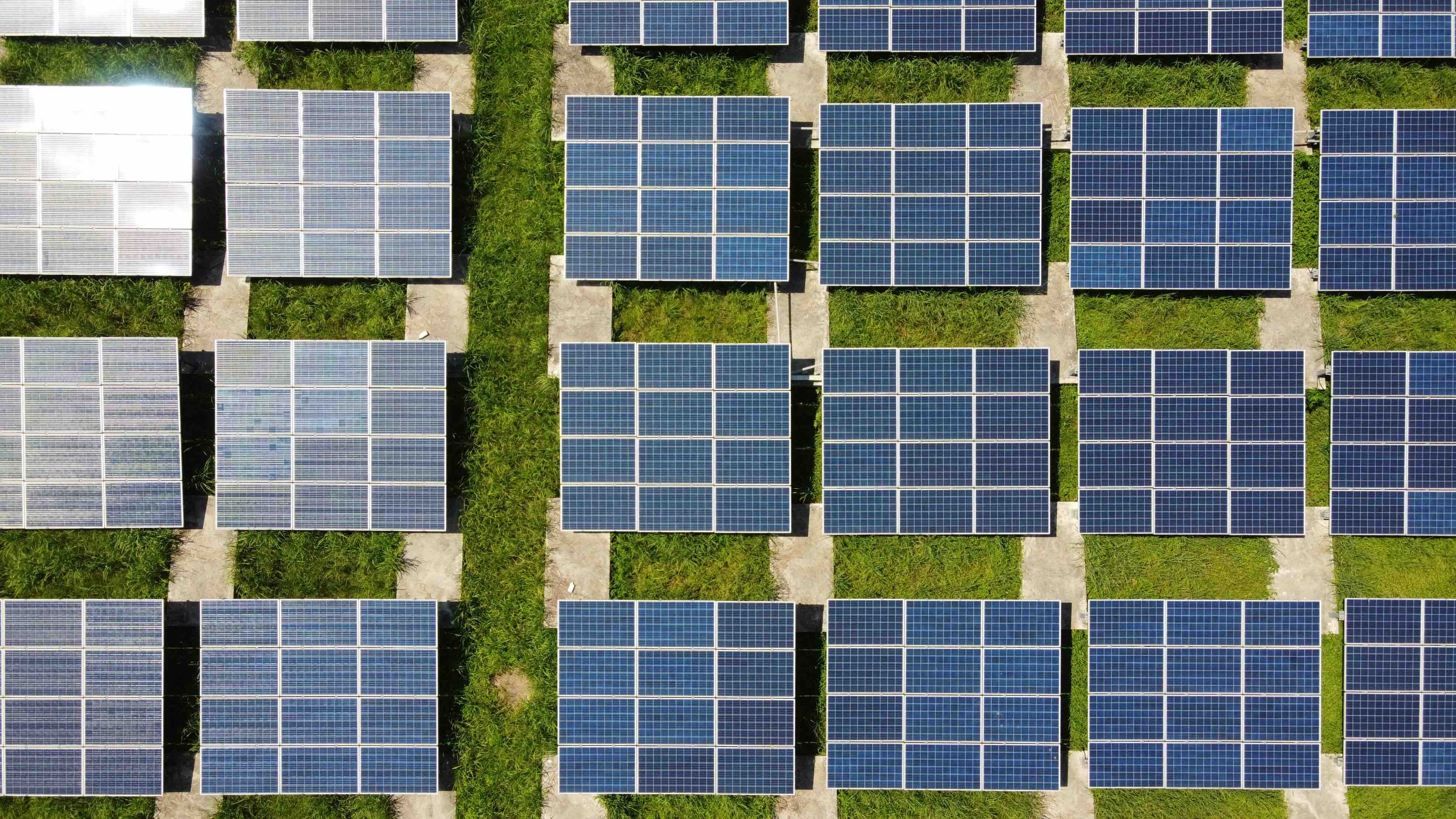
A monolithic application, which is closely connected and difficult to grow, is equivalent to a centralised power infrastructure that loses energy due to poor distribution. The move toward microservices in software development corresponds to the demand for decentralised, renewable energy sources in sustainability initiatives.
Smart grids, blockchain-based energy trading, and localised power generation shift the strain away from overcrowded, inefficient central systems and toward more adaptive and demand-responsive distribution. The theory underlying these adjustments is the same: tiny, modular, self-contained pieces are easier to maintain, scale more effectively, and eliminate unneeded overhead.
Automation can increase these savings even higher, but only when implemented appropriately. A well-designed system should be able to self-optimise, whether that means machine learning models forecasting demand to avoid overproduction, cloud infrastructure automatically shutting down unproductive resources, or logistics networks changing in real time to save fuel usage.
However, while automation can increase productivity, it can also compound inefficiencies if not properly handled. A machine learning model that consumes massive computing resources without providing real performance advantages, or an automated workflow that keeps duplicate processes running, is not a solution—it is a costly, wasteful error.
Software engineers frequently work under the illusion that the digital world is separate from the physical one, as if computation occurs in a vacuum with no energy consumption, hardware constraints, or infrastructure demands.
However, every system has a cost, and when software is created without regard for its environmental impact, the cost increases enormously. Bloated programs that consume excessive computational power, poor networking protocols that flood systems with redundant data, and a failure to address resource allocation all contribute to a rising problem that cannot be ignored.

The appropriate approach to sustainability is more than just installing energy-efficient hardware or switching to renewable energy sources; it is about making efficiency a core element of system design. The finest engineers already think like this. They understand that every decision, whether concerning design, automation, or data storage, has an impact on the environment in addition to cost and performance.
Technology alone will not address sustainability issues, but the proper mentality can. The same discipline that creates excellent software—reducing waste, removing redundancy, and optimising for performance—can drive the answers the world requires. The only question is whether we care enough to design it that way.
About the author: David Aniebo
David Aniebo is a software engineer and mentor passionate about building scalable web platforms and developer tools.
He contributes to open-source, writes about software engineering, and mentors aspiring engineers through groups like Persevere and RefCode. His work focuses on performance, developer experience, and system design.
