





The Nigerian government has unveiled Project Bridge, an ambitious initiative to deploy a 90,000-kilometre fibre optic backbone. This project aims to revolutionise the nation’s digital infrastructure.
It aligns with President Bola Ahmed Tinubu’s Renewed Hope Agenda. The goal is clear: deliver high-speed, resilient, and equitable broadband connectivity to every corner of Nigeria.
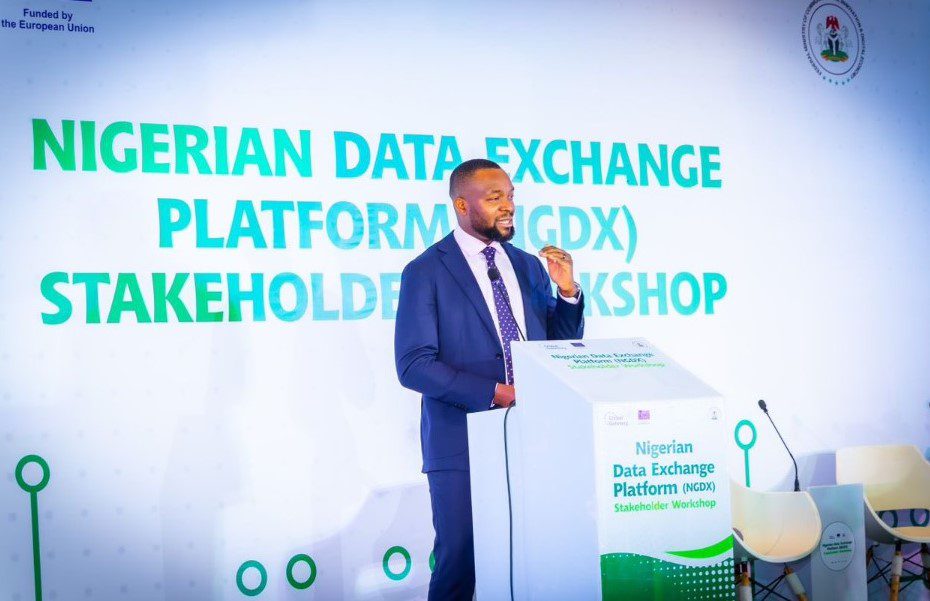
Dr Bosun Tijani, Nigeria’s Minister of Communications, Innovation, and Digital Economy, announced the project’s high-level technical design in Lagos. He described it as the country’s most ambitious digital infrastructure endeavour yet.
The project will expand Nigeria’s existing 35,000 kilometres of fibre optic cables to a total of 125,000 kilometres. This will make Nigeria’s fibre backbone the third largest in Africa, trailing only Egypt and South Africa. The initiative is a cornerstone of Nigeria’s National Broadband Plan (2020-2025). It aims to boost internet penetration to 70% by 2025 and 80% for underserved populations by 2027.
Project Bridge operates under a Special Purpose Vehicle (SPV). This public-private partnership (PPP) model ensures efficient governance and accountability.

The Nigerian government will hold a minority stake, between 25% and 49%. Private sector companies and development finance institutions (DFIs) like the World Bank and African Development Bank (AfDB) will fund the rest. The estimated cost is $2 billion, with half secured through sovereign loans and the other half from private investments. This structure mirrors successful Nigerian PPPs like NIBSS and NLNG.
The project’s design is robust and scalable. It features seven regional backbone rings connecting Nigeria’s six geopolitical zones: Lagos, South West, South South, South East, North Central, North East, and North West. These rings ensure redundancy, minimise latency, and enable seamless data flow nationwide.
Additionally, 37 metropolitan networks will link all 774 Local Government Areas (LGAs). This architecture supports both large and small Internet Service Providers (ISPs). It encourages competition and infrastructure sharing to accelerate broadband expansion.
Project Bridge fibre optics’ economic and social impact
Project Bridge is more than just cables. It’s a catalyst for economic growth. Experts estimate it could increase Nigeria’s GDP by 1.5% per capita, raising it from $472.6 billion to about $502 billion within four years.
The initiative is expected to create 20,000 direct jobs and 150,000 indirect jobs. It will also train 5,000 Nigerian youths through the Digital Bridge Institute, enhancing skills for network maintenance.

Over 200,000 educational, healthcare, and social institutions will gain internet access, addressing the connectivity gap for 33 million offline Nigerians.
Nigeria’s digital divide is stark. While urban centres like Lagos and Abuja enjoy decent connectivity, rural areas lag behind. Only 42.27% of Nigerians have internet access. Project Bridge aims to change this. By leveraging existing infrastructure from NIGCOMSAT and Galaxy Backbone, it will connect all 774 LGAs.
This aligns with the ministry’s strategic blueprint to foster inclusive development. Schools, hospitals, and government offices in remote areas will benefit most. Enhanced connectivity will boost access to education, financial services, and digital governance.
Dr Tijani has actively sought international support. He pitched Project Bridge to the Kuwait Fund for Arab Economic Development in Abuja. Discussions with the World Bank and AfDB are progressing, with $1 billion in loans already secured.
The U.S. Trade and Development Agency also awarded a grant for a feasibility study. This study will explore deploying fibre along national power grids, railways, and pipelines. It aligns with U.S. initiatives like the Digital Transformation with Africa programme. These partnerships highlight Nigeria’s global push for digital infrastructure funding.
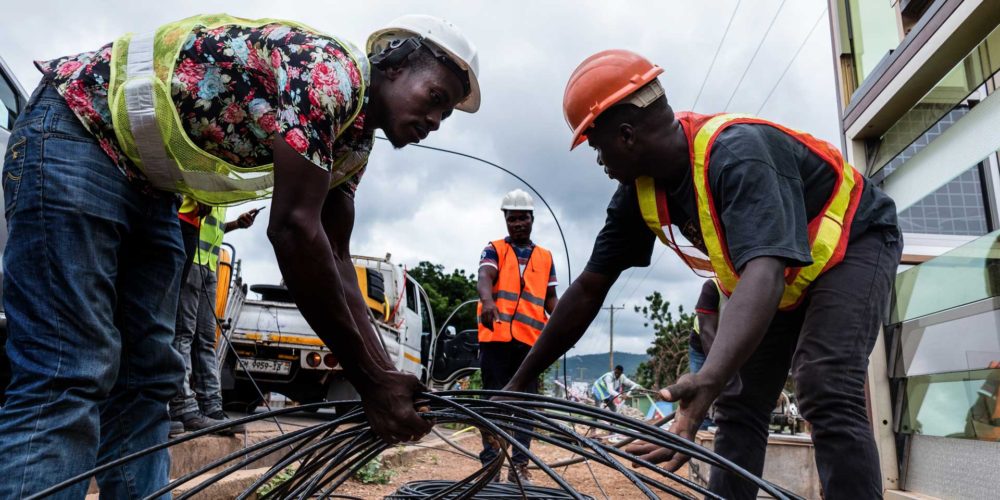
The SPV will be incorporated in Q3 2025, with the project rolling out over five years, starting with 30,000 kilometres in the first year.
Project Bridge is a bold step toward a connected Nigeria. It promises to unlock opportunities in education, healthcare, and commerce. By 2027, the project aims to connect 12 million more Nigerians. It will empower startups, boost digital literacy, and strengthen national security.
Dr Tijani calls it “a mission to build the digital backbone that transforms our economy from the ground up.”
With global partnerships and private sector support, Nigeria is poised to become a digital powerhouse in Africa.
