





Meta is bringing stablecoins back to its apps, but this time the company is taking a different approach. The tech giant is testing stablecoin payments on its platform. Instead of creating its own digital currency, it’s using existing ones from other companies.
The company has sent out requests to vendors who can help administer these payments, with Stripe emerging as a likely partner, according to three people familiar with the plans.
The move marks Meta’s return to digital currency after its disastrous attempt with Libra, later renamed Diem, which regulators shut down in 2019. That project never launched, and Meta sold off its assets in early 2022.
This time, the company wants to keep stablecoins at arm’s length by working through partners rather than creating its own token.

What Libra is and why it crashed
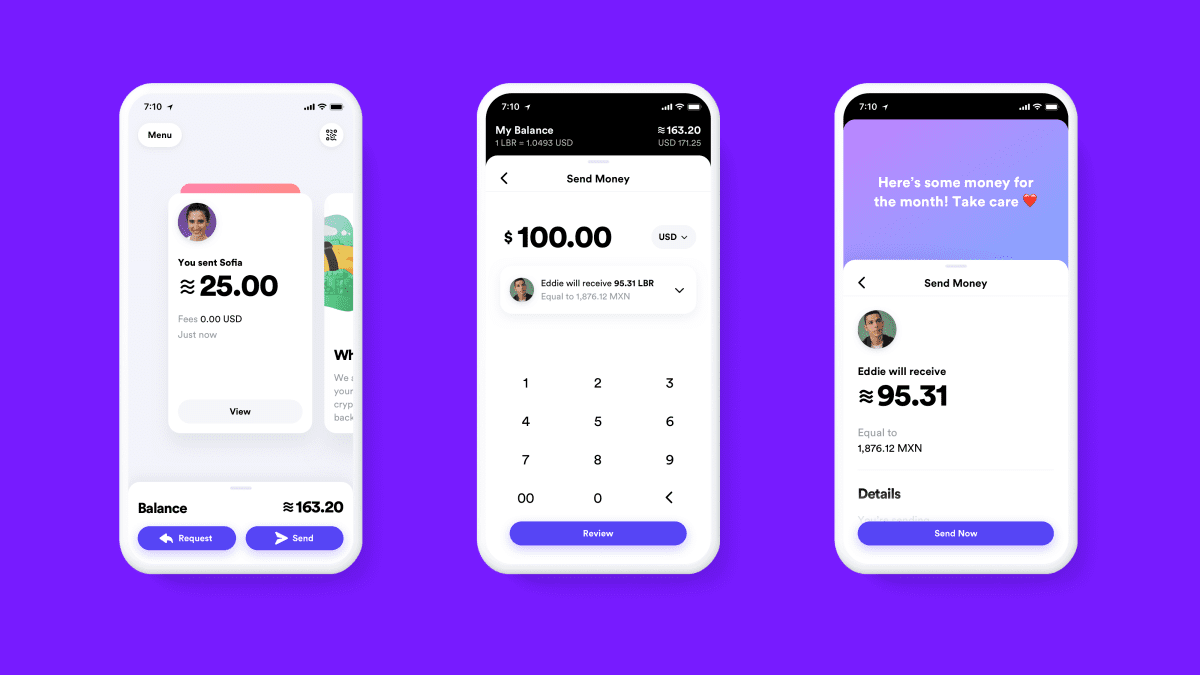
Back in 2019, Meta announced plans to create Libra, its own digital currency that would be backed by a basket of national currencies and available to billions of users across Facebook, WhatsApp, and Instagram. The idea was to let people send money as easily as sending a message, without high bank fees.
Regulators quickly opposed the idea. U.S. lawmakers questioned Mark Zuckerberg in hearings, concerned about a private company managing a worldwide currency.
The tech giant was still facing negative consequences from the Cambridge Analytica scandal, where a political consulting firm harvested data from 87 million Facebook users without consent and used it to influence elections.
That breach, which increased regulators’ doubts, made them deeply suspicious of giving Facebook any more control over people’s financial data. By 2020, Meta reduced the scope of the Libra project and then ended it silently in 2022.
Read also: Forget about your paid blue tick, Meta wants you to pay for more tools
Stablecoins are digital currencies, like Tether and Circle, pegged to assets like the U.S. dollar. They are used in crypto trading and cross-border payments for fast, low-cost transfers.
Why Meta wants another shot
Meta’s 3 billion users across Facebook, WhatsApp, and Instagram represent one of the largest potential markets for digital payments in the world. Integrating stablecoins could let the company bypass expensive traditional banking fees and position itself as a leader in cross-border payments and social commerce.
WhatsApp’s popularity in Nigeria, India, and Latin America, where it is used for money transfers, makes it key. Stablecoin payments could formalise this, capturing a large share of the global remittance market.
The company’s strategy is to outsource stablecoin infrastructure. Stripe, with its stablecoin expertise after acquiring Bridge and with CEO Patrick Collison on Meta’s board, is a fitting, longtime partner.

The move also puts Meta in direct competition with Elon Musk’s X and Telegram, both of which are racing to become “super apps” that handle payments, messaging, and commerce in one platform.
Meta has not confirmed which stablecoins it is testing or when the trials might expand. The company, Stripe, and Bridge all declined to comment. But if the tests succeed, stablecoin payments could roll out across Meta’s apps in the second half of this year.
