


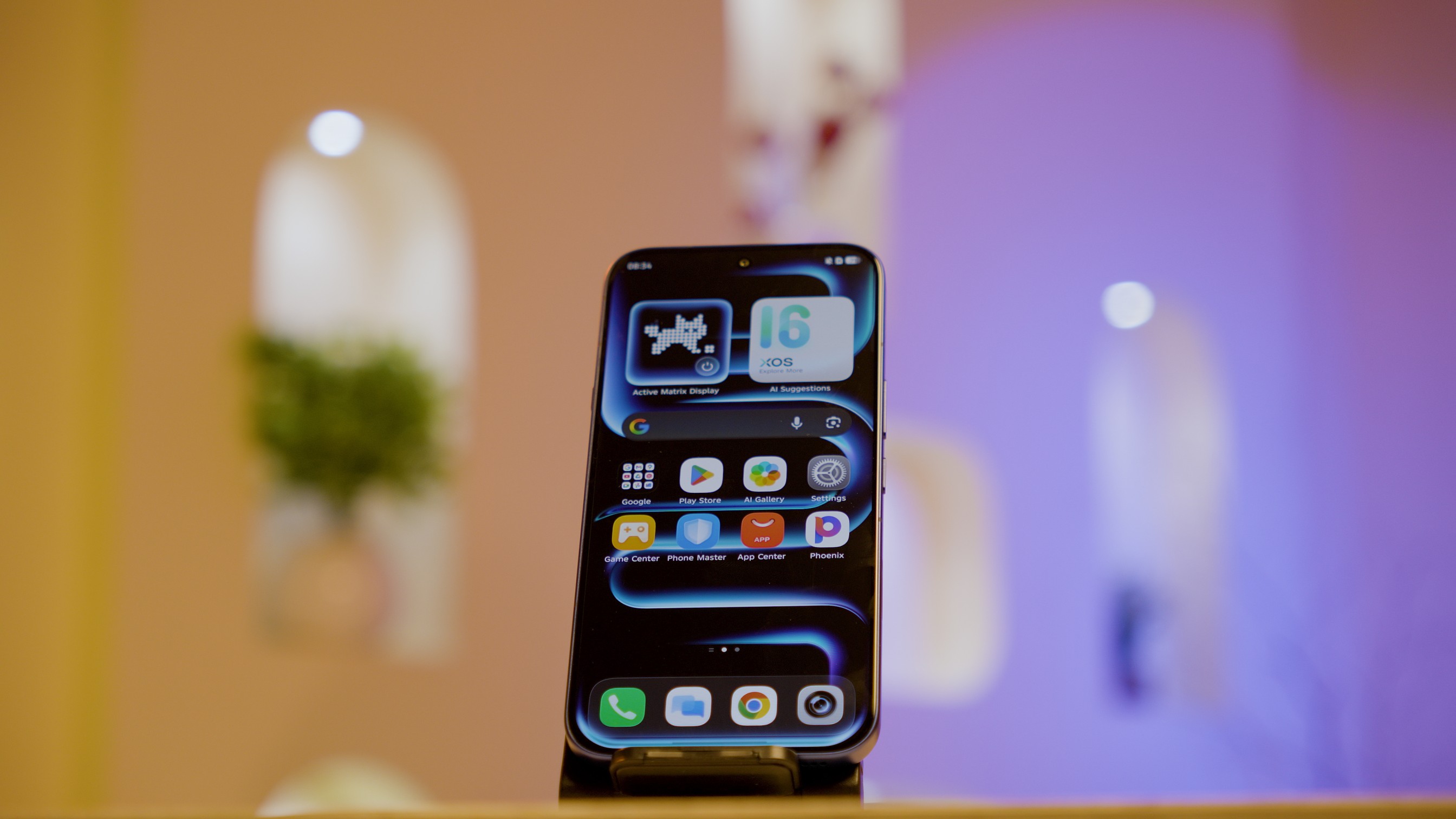
The first thing the Infinix Note 60 Pro does is make you look twice. Not because it is loud or flashy, but because it feels unusually deliberate. The lines are clean, the camera module sits with intention, and the matte finish gives off a level of restraint you don’t normally associate with phones in this category.
Before turning the screen on, you already get the sense that this device wants to be taken seriously.
But this phone is more than a design conversation. The Note series just got its first Snapdragon chip. There is a working LED display on the back of the phone.
The battery supposedly heals itself. And wireless charging made it onto a mid-range device in a way that should genuinely make some flagship brands uncomfortable.
Let’s get into all of it.
Also Read: Infinix GT 30 Pro Review: This is the best budget gaming phone of 2025
Design & Build: The One That Starts Conversations
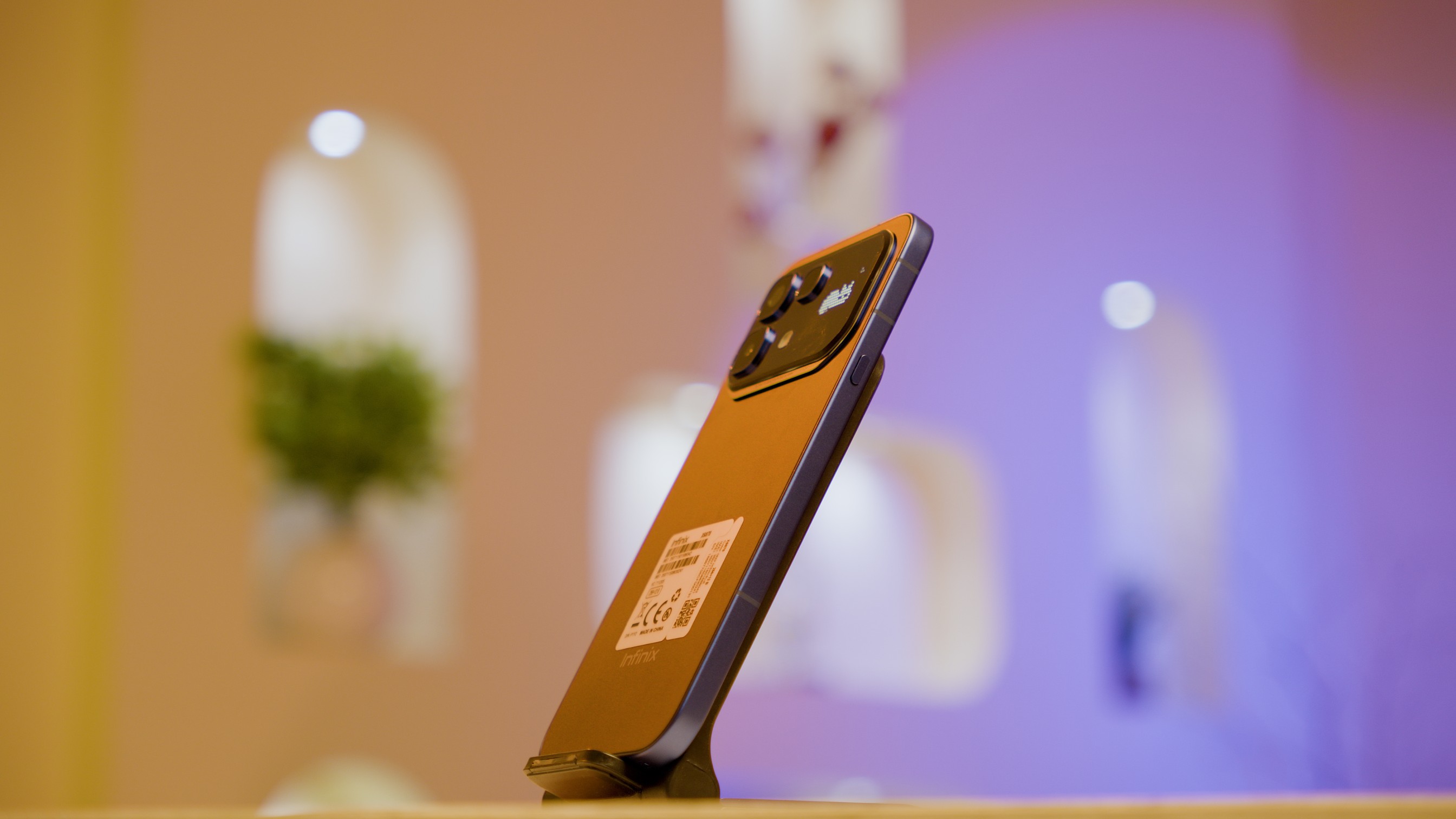
Pick up the Infinix Note 60 Pro, and the first thing you notice is that this is not a plastic mid-ranger. The frame is matte aluminium, treated with a 205 zirconium sand process that gives it a rough, grippy texture that doesn’t become a fingerprint canvas three minutes after unboxing.
It feels intentional. It feels solid. The left-to-right contoured edges add to that, sitting naturally in the palm in a way that larger phones sometimes fail to.
But the thing that will follow this phone everywhere is the Active Matrix Display. Inside that square camera module that drew the iPhone comparisons, Infinix built a functioning LED matrix. It shows notifications, the time, the weather, a configurable animated character, and you can even play games with it—all while the main screen is off.
It is not a gimmick in the way that rear displays have been gimmicks before. This one is integrated cleanly, contextually useful, and genuinely striking. I showed this phone to people without telling them what it was, and not one person guessed Infinix. That says something.
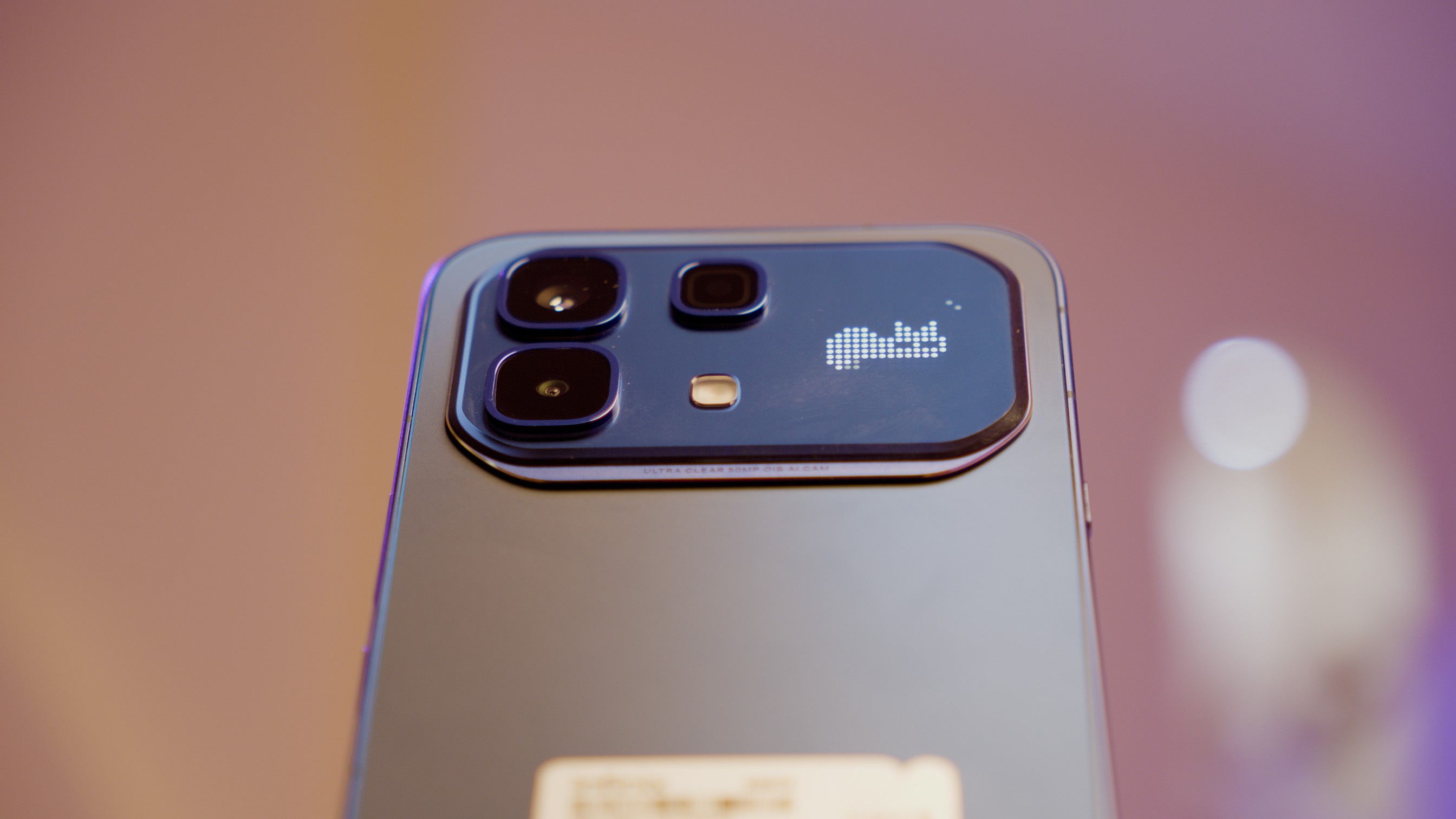
There is also a Halo Light, as we had in the Infinix Hot 50 Pro, a glowing ring around the camera module that pulses for different notifications, and a One-Tap Button on the side that goes beyond being a shortcut key. It has health sensors embedded in it: press your finger against it, and the phone reads your heart rate and blood oxygen.
The IP64 rating is here too, which means light rain and water splashes are not a crisis. Useful in practice, especially for anyone who’s ever panicked at a drizzle.
Colour options are Mist Titanium, Deep Ocean Blue, Solar Orange, Mocha Brown, and Frost Silver. All clean, all distinct.
Also Read: The Infinix Hot 60 Pro is surprisingly slim but incredibly stacked
Display: Bright Enough for the Afternoon Sun
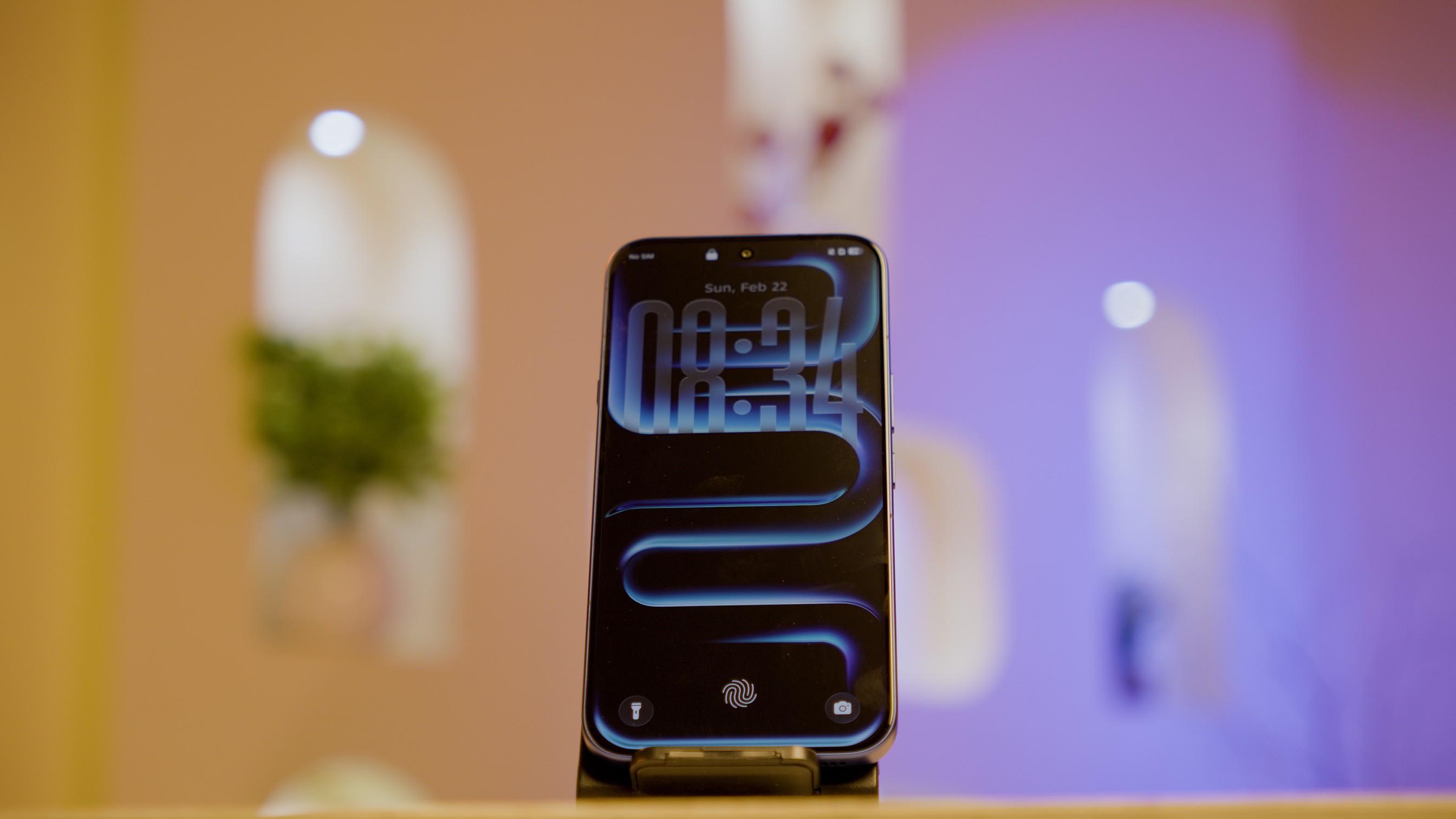
The Infinix Note 60 Pro’s screen is 6.78 inches, 1.5K resolution (2644 × 1208), AMOLED, and 144 Hz refresh rate, with a peak brightness of 4,500 nits. That last number is the one that matters most for daily use in Nigeria. In full afternoon sun, this display remains clearly visible. So no cupping your hand over the screen, no squinting, and no turning your back to the light. It holds up.
Full-screen brightness sits at 1,600 nits, which is punchy even indoors under harsh lighting. The 144Hz panel makes scrolling and navigation feel smooth in a way that becomes hard to give up once you’ve had it. Content looks rich, blacks are deep as you would expect from AMOLED, and the 1.87 mm bezels keep the look clean and modern.
Corning Gorilla Glass 7i is on top for protection, which handles everyday scratches and slides across surfaces reasonably well. It is still worth putting a screen protector on, but the base protection is solid.
Performance: The Note Series Finally Got a Snapdragon
This is the headline for anyone who follows the Note series. Infinix has never put a Snapdragon chip in a Note phone before. For the Infinix Note 60 Pro, they moved to the Qualcomm Snapdragon 7s Gen 4 5G, and the performance difference is real and immediate.
Compared to the Note 50 Pro’s MediaTek chip, the Infinix Note 60 Pro has 75% faster CPU performance and a 210% jump in GPU output. In use, what that translates to is a phone that opens apps fast, handles multitasking without flinching, and does not degrade under load.
For gaming, the Infinix Note 60 Pro handles PUBG Mobile and Call of Duty Mobile at 120 fps smoothly. Heavier titles like Genshin Impact run at medium-high settings without serious frame drops.
Infinix also included a 3D IceCore Vapour Chamber to manage heat during extended sessions. It works.
Long gaming periods do not result in the thermal throttling that kills performance on a lot of phones at this price. There’s also a 360-degree gaming antenna for a claimed 30% signal boost, which matters in a country where network conditions can vary wildly.
RAM options are 8GB or 12GB LPDDR5X, with extended RAM doubling each, so the 12GB variant gives you an effective 24GB. Storage is 256GB on both. The phone carries the weight of demanding daily use without complaint.
Also Read: Infinix Smart 10 Review: a budget Phone with big surprises
Camera: Night Master, But Missing a Floor
The main camera is 50MP with an f/1.59 aperture and OIS. Optical image stabilisation is the feature that matters most here for the average user; it corrects for hand movement during shooting, which means photos come out sharp even when your hand is not perfectly steady.
That blurry shot problem, which a lot of people live with, is largely addressed by OIS. Infinix is branding this the Night Master camera, and the wide aperture backs that up: more light gets in, which means low-light and indoor shots have noticeably more detail and brightness than you would expect from a phone at this price.
Infinix also introduced its first Ultra HDR pipeline here, enabling full-chain HDR processing from capture through to output. The result is images with more dynamic range, highlights that are not blown out and shadows that still hold detail. In good light, photos are sharp and punchy. In low light, the Night Master earns its name.
The 8MP ultrawide with a 112-degree field of view handles group shots and landscape frames well. The 13MP front camera delivers clean, natural selfies with 4K video capability for anyone creating content.
Video recording goes up to 4K at 30fps on both front and rear cameras, and there is a 4K Ultra-Steady mode for stabilised footage when you are moving. For documenting events, content creation, or just recording things you want to keep, it handles the job.
The honest caveat: there is no telephoto lens. The setup is a main camera plus ultrawide, and that is where it ends. If you regularly shoot subjects at a distance, you will feel that gap. Digital zoom degrades quickly. It is the one area where the Infinix Note 60 Pro asks you to make a trade-off, and it is worth knowing before you buy.
Battery & Charging: The Section That Matters Most
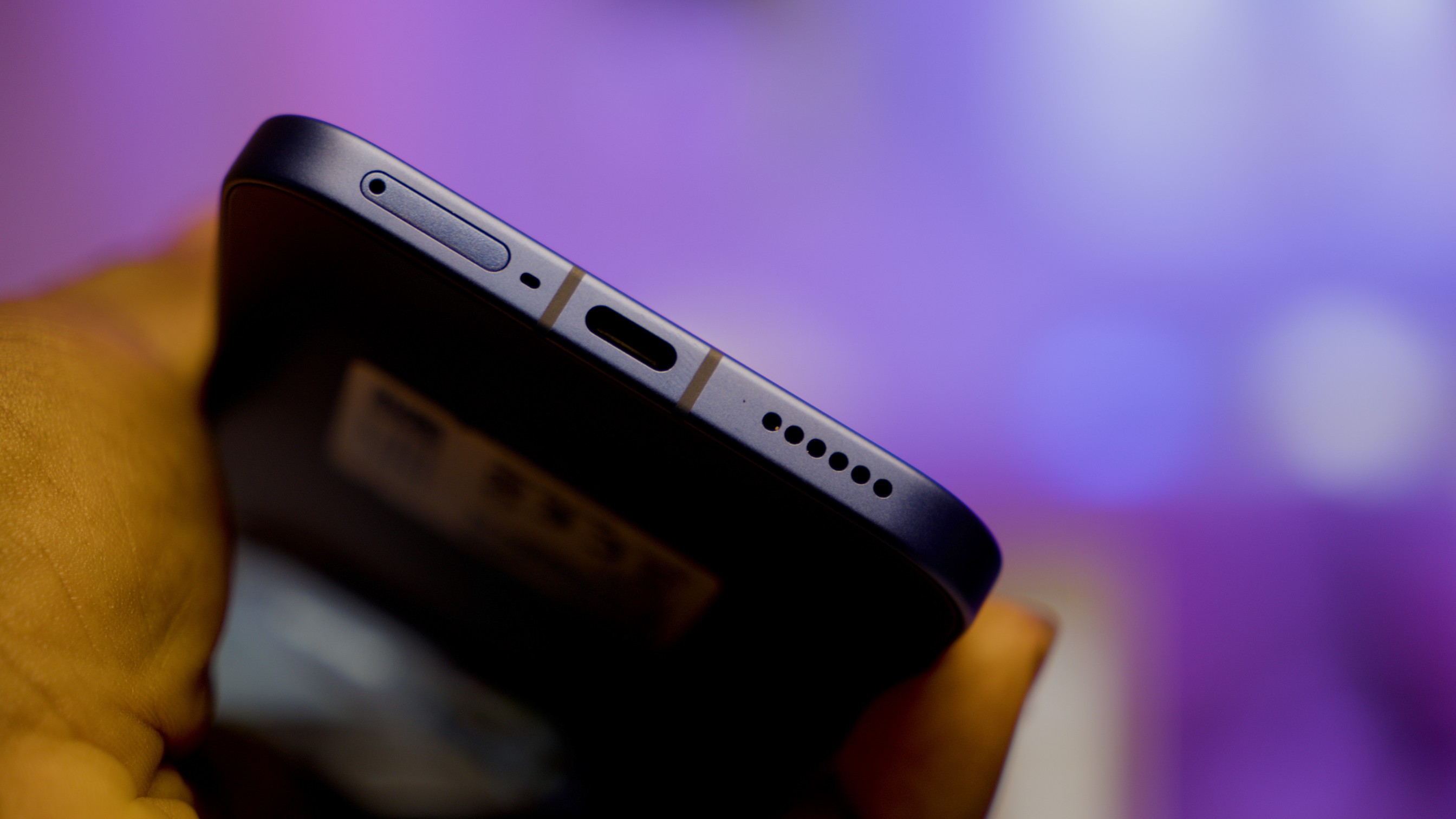
The Infinix Note 60 Pro carries a 6500mAh battery in a body that is 7.36mm thin. That is a meaningful engineering achievement because phones with batteries this size are usually noticeably chunky.
In daily use, this translates to 10 to 12 hours of active screen-on time, which, for most users, means a full day and then some on a single charge. For anyone who has made peace with power banks as a daily carry, this phone changes that calculation.
Charging speed is 90 watts wired, from near dead to full in roughly 35 to 40 minutes. There is also 30-watt wireless charging, which is genuinely unusual at this price tier. Most phones that offer wireless charging at this level are doing it at 15W or below; 30W is a flagship-grade feature sitting in a mid-range phone.
It does require a wireless charging pad, which does not come in the box, but the capability is there if you want it. Bypass charging is included for gaming, routing power directly to the phone during heavy use to reduce battery heat.
The most unconventional feature here, and the one that will take time to fully evaluate, is the Battery Self-Healing Technology. Infinix claims the battery repairs itself over time, recovering 1% of its health every 200 charging cycles, with a rated lifespan of 6 years under normal daily use. The mechanism involves low-current treatment to address micro-cracks in the cell.
The theory is sound, and it addresses a real problem: battery degradation is one of the primary reasons people feel forced to replace phones after 2 to 3 years. Whether the 6-year claim holds in practice is something that cannot be verified in a review window, but it is the kind of long-term promise worth tracking.
Software & Extras: More than the Basics
The Infinix Note 60 Pro ships with XOS 16, built on Android 16. Infinix is committing to 3 years of major OS updates and 5 years of security patches, which is meaningful long-term support for a mid-range device.
The interface is clean and fast, and the AI features are genuinely useful rather than just present for marketing.
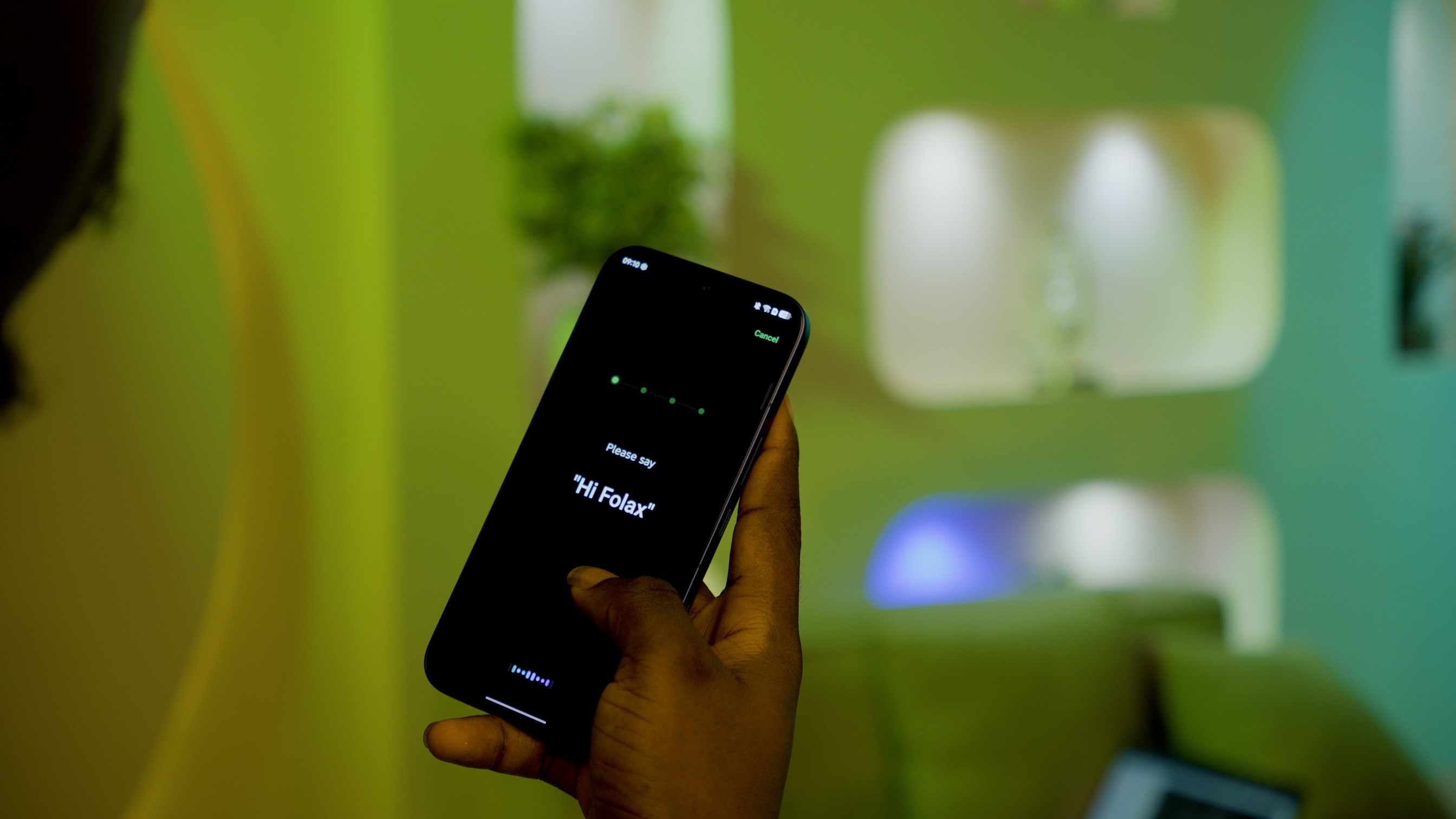
FOLAX, the AI assistant accessed through the One-Tap Button, can do screen analysis, translation, summarisation, and contextual commands without needing to open a separate app.
The JBL-tuned dual stereo speakers are worth calling out specifically.
They are loud, they are clear, and they have enough bass response to make media consumption enjoyable without headphones. This is not a feature that shows up on spec sheets in a dramatic way, but in day-to-day use, it is the kind of thing that makes the phone feel more premium than its price suggests.
eSIM support is also here.
A 6,500mAh battery that lasts two days and promises to stay healthy for six years. 90W wired charging and 30W wireless on a mid-range budget. JBL stereo speakers. IP64. OIS night camera with Ultra HDR. 4K video front and back.
Don’t forget to read: Infinix Note 50 Pro Review: When Budget Phones Stop Feeling Budget
Verdict
The Infinix Note 60 Pro is the Note series making a statement. First Snapdragon chip in the lineup. A functioning LED display on the back that turns heads.
At N499,000, or $350, what Infinix has built here is a phone that competes genuinely with things that cost more.
A Pininfarina special edition that looks like it should cost significantly more.
