




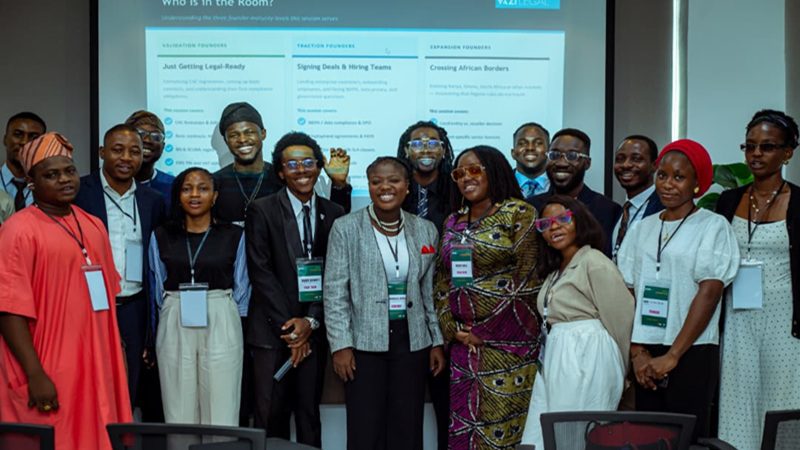
A room full of Lagos-based founders gathered at Bridge by Obsidian last weekend for what turned out to be one of the most practically grounded startup events the city has seen this year.
The Pivot Founders Lab, a two-day programme hosted by Pivot HQ, was not built around motivational speeches. It was built around the uncomfortable truths that most startup events avoid entirely.
Organised by Pivot HQ, a management consulting firm for startups established in 2025, the lab brought together early and growth-stage entrepreneurs for sessions covering business development and founder leadership, operations and management, legal compliance, and finance.
The programme is the first phase of a broader initiative to support 50 founders, select the best ten for an intensive accelerator programme involving investors from five African countries, and ultimately raise funding for at least one startup by the end of the run.
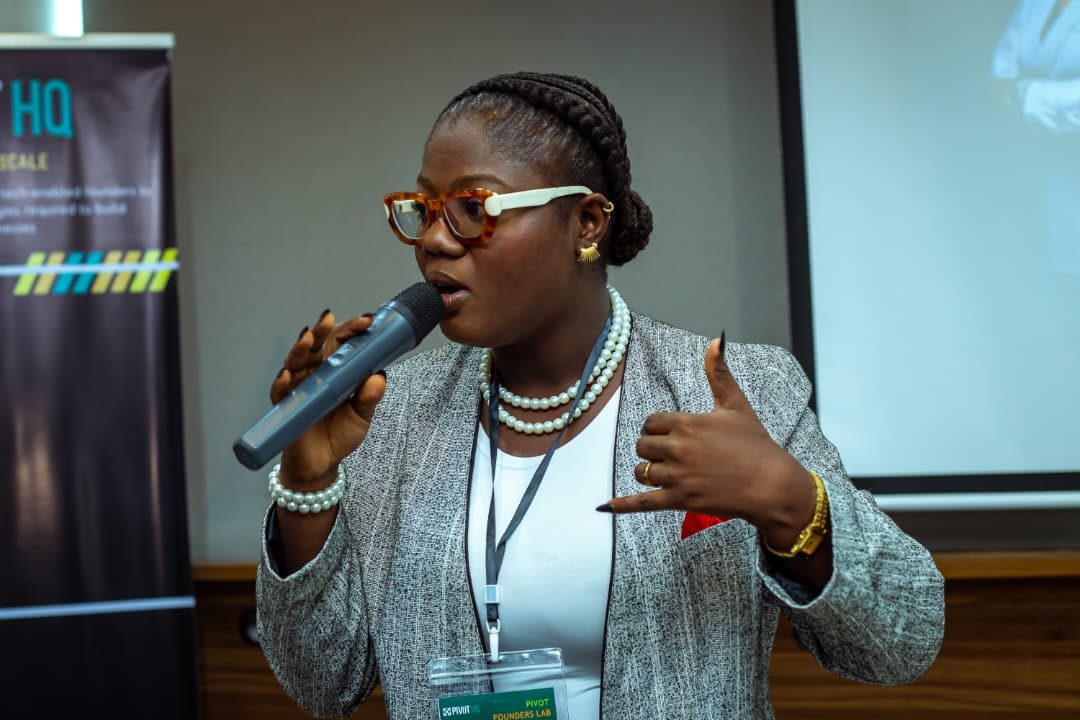
“It took us six months to develop this programme,” said Abisinuola Adedeji, founder and executive director of Pivot HQ, who opened both days. “We are not here to bluff. We did our research, and we are very serious about this.”
Adedeji set the tone early by dismantling one of the most persistent myths in the startup world- that funding is the primary problem founders face. Her argument was direct: the real challenge is building a sustainable, scalable, and fundable business.
Money without structure, she said, is money lost. “If I give you $20k today, will you blow it or grow it?” she asked the room. “It depends entirely on who you are as a founder. Capital amplifies leadership quality, good or bad.”
She described the three things Pivot HQ believes every serious business must be: sustainable, meaning the business can sustain itself without constant external capital; scalable, meaning it can grow beyond the founder; and fundable, meaning investors can see a clear, credible return.“If you are building a startup and you don’t have a succession plan for 20 years from now, you haven’t started building,” she said.

Day 1: Systems, structure, and legal gaps founders ignore
Following Adedeji’s opening, Adeloye Samuel, product marketing manager at Bank78, led a session on building operational systems. His argument was simple but pointed: talent does not scale a business. Structure does.
Samuel introduced what he called the five pillars of turning founders into operators: workflow visibility, system repeatability, team design, leverage, and performance management. He urged founders to design future-facing departments and roles even before they could afford to fill them, writing playbooks and standard operating procedures in advance so that onboarding new team members becomes seamless when the time comes.
“You can’t fix what you can’t see,” he said. “At every point in your business, you must conduct brutal self-audits. If you don’t identify your blind spots, you will keep going around in circles.”
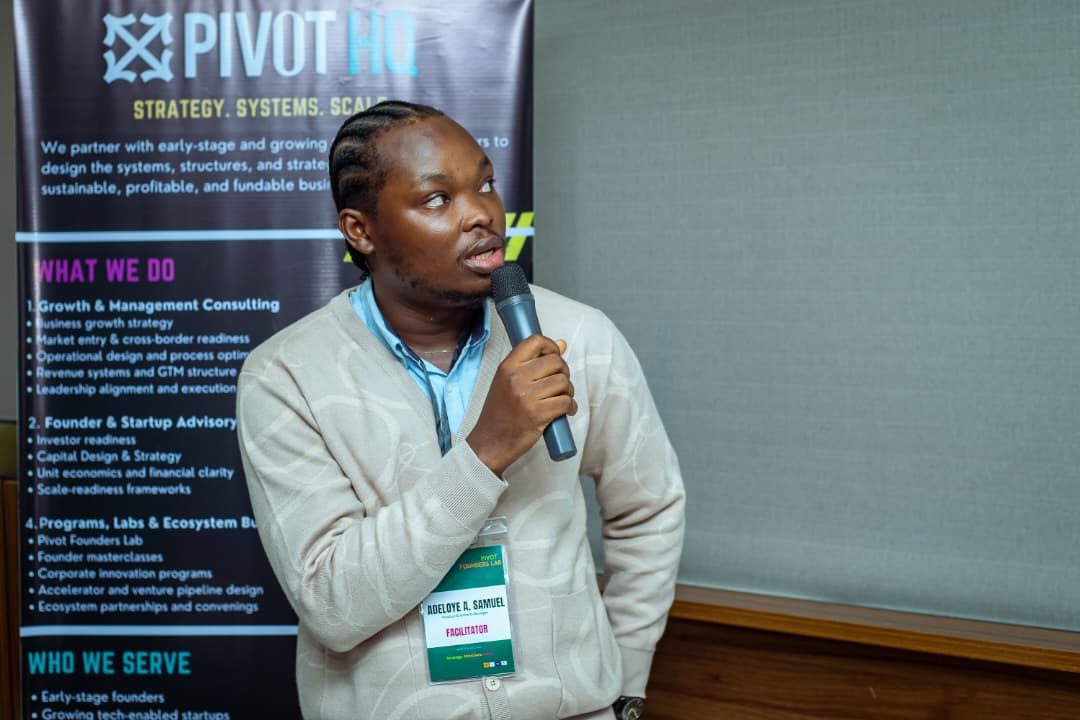
He gave practical examples of businesses he had advised, many with talented teams that kept stalling, not because of the market or money, but because nobody had clearly defined who was responsible for what, how decisions were made, or what success actually looked like at each stage.
“Most founders hit the wall not because they lack talent,” Samuel said. “They lack systems. And if your business currently runs solely on you, it is not a business yet; it is a job.“
He also addressed the mindset shift founders must make as they move from early stage to expansion: the hustle mentality that got you started will not take you to the next level. “At the expansion stage, you need organisation design, performance architecture, and people leadership. Vibe and energy will not scale your team.”
Modupe Odele, tech lawyer and founding partner at Vazi, closed day one with a session that many in the room admitted they needed but had been avoiding. Legal compliance. Most founders, she noted, see legal services as a cost centre, an expensive annoyance that can wait. Odele pushed back firmly. “The kind of problem that forces a startup to die, most of those are issues that a proper legal structure would have prevented,” she said.
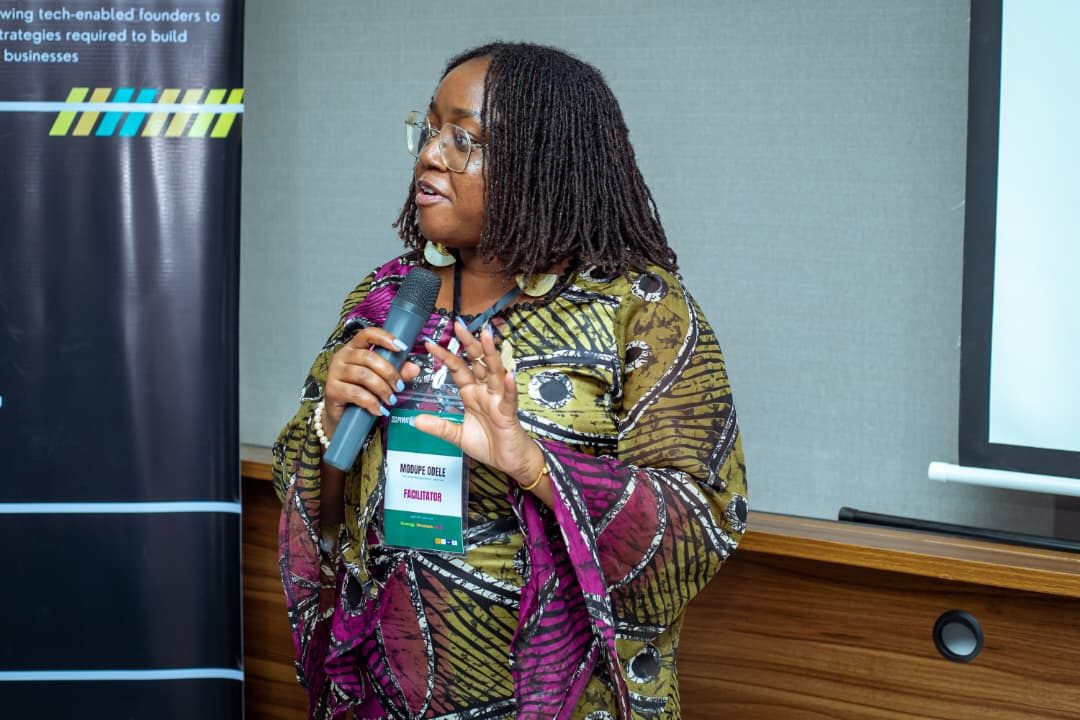
She walked the room through the basics every founder needs to address early: company registration, co-founder agreements, employment contracts, IP ownership, and a clear compliance framework.
She reserved particular emphasis for trademarks, asking the room how many had registered theirs. Almost no hands went up.“Don’t leave this room without doing your trademark,” she said. “It costs less than ₦200,000 for one class. By the time something becomes valuable, that’s when people start fighting over it, and you cannot fight without registration.”
Odele also addressed the investor dimension of compliance, something founders rarely think about until it costs them a deal.
“We have seen investors walk away from million-dollar deals because the legal due diligence was a disaster,” she said. “Things that could have been fixed with a simple standard of operation (SOP) at the beginning become mountains between you and your next funding round. You are not the only founder in the market. Your competitor who has their compliance in order will get the investment instead.”
She also stressed the importance of knowing your regulator before you need them.
Day 2: People, money and a live pitch room
Day two opened with founders sharing reflections from day one before Joel Babatunde, widely known as OgaHR, TEDx speaker, award-winning HR consultant, recognised among Africa’s top 100 HR leaders, and founder of Dear HR Consulting, took the floor.
His session on people management was immediately practical. When Marv Chinedu, founder of Nitebus, a startup solving the transport crisis that hits Lagos nightlife attendees in the early hours of the morning when ride-hailing surge pricing is at its worst, asked whether it was too early to set strict performance expectations for a team member who was slowing progress, Babatunde did not soften his answer.
“Be as ruthless as possible from the very beginning,” he said. “Don’t wait until the business suffers. Set your KPIs, communicate your expectations clearly, and read the riot act immediately when the standard drops. If you need to approve everything on your team, you are wrong. You don’t have people who can take ownership.”
Similar read: Baraza Lagos 2026 proves compliance is the new competitive advantage for tech founders
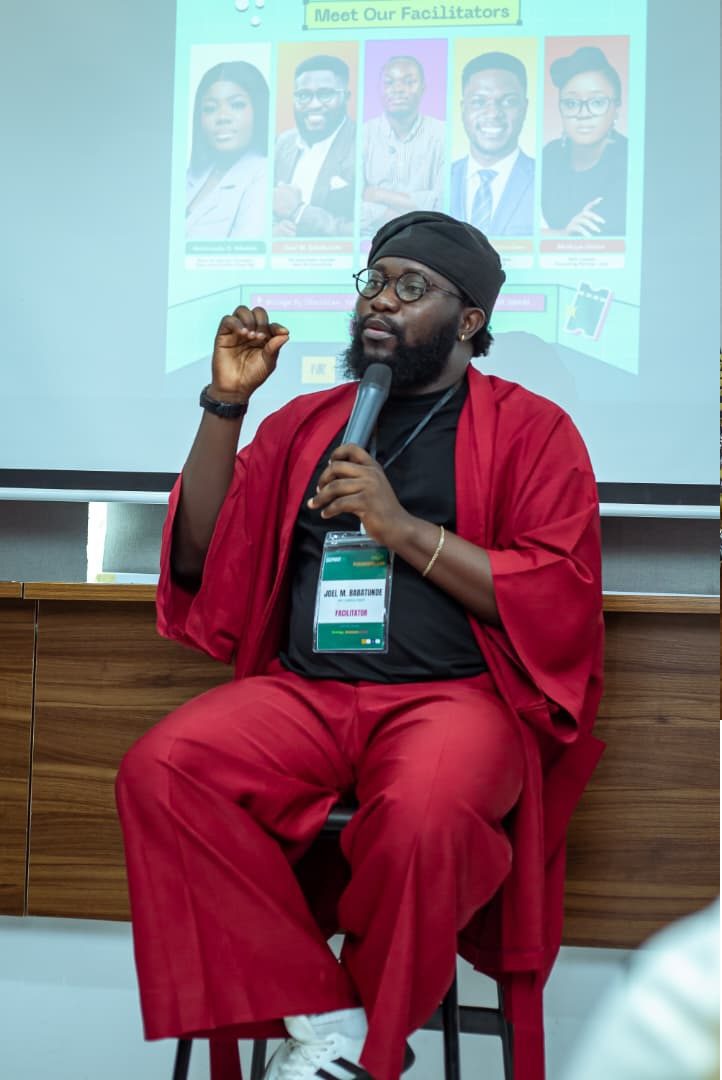
He also addressed Adedeji’s follow-up question, one she said was on the minds of many founders in the room: how do you build a team when you cannot afford to pay market rates? His answer was layered. Sell the vision first and sell it well. Negotiate time rather than demanding full commitment, three focused hours a day from someone who keeps their current job is better than a distracted full-time hire you cannot properly pay.
Use stock options with proper vesting schedules to compensate early team members without giving away equity carelessly. “You must be a fantastic salesperson,” Babatunde said. “You must sell the vision so well that people choose to build with you. That is the only way any of these approaches work.”
He later expanded on building performance culture, the importance of SOPs, clear job descriptions, weekly reports, retro calls, structured feedback loops, and employee handbooks. “A clear company culture is not a nice-to-have,” he said. “It is what keeps your team from falling apart when things get hard.”
Boluwatife Ashimolowo, tech entrepreneur and COO of Autogon, brought the day home with a session on fundraising mechanics that was one of the most densely practical of the entire programme. He started by asking founders how many months of runway they currently had. Most answers were uncomfortable.
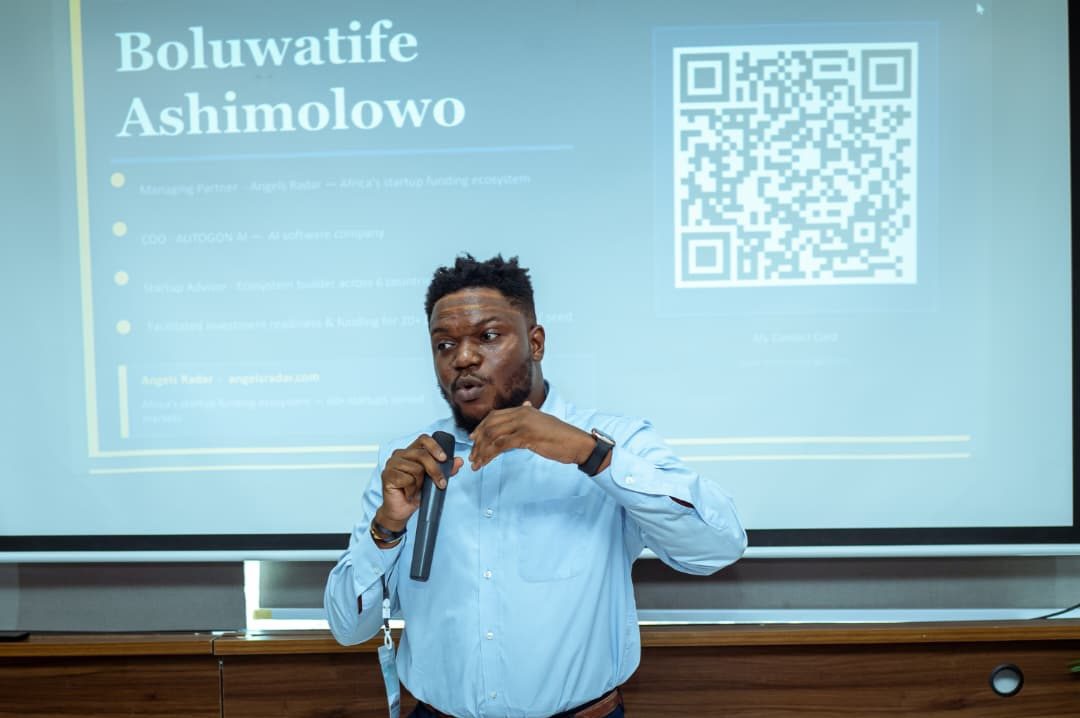
He walked through the numbers investors actually care about. Monthly revenue trends, customer acquisition cost, lifetime value, runway, and margins, and explained in plain terms the concepts that trip most early-stage founders up: pre-money valuation, post-money valuation, dilution, safe agreements, convertible notes, vesting cliffs, and stock options.
His core message on equity was direct. “Protect your cap table fiercely,” he said. “Do not give out equity to anyone casually. If you give your CTO 20% today and they leave tomorrow, they own that 20% when the company becomes worth a billion dollars. That is why vesting exists.”
He explained how dilution works in practice using a live example with a founder in the room, walking through exactly what happens to ownership percentages when a new investor comes in, which many founders said had never been explained so clearly.
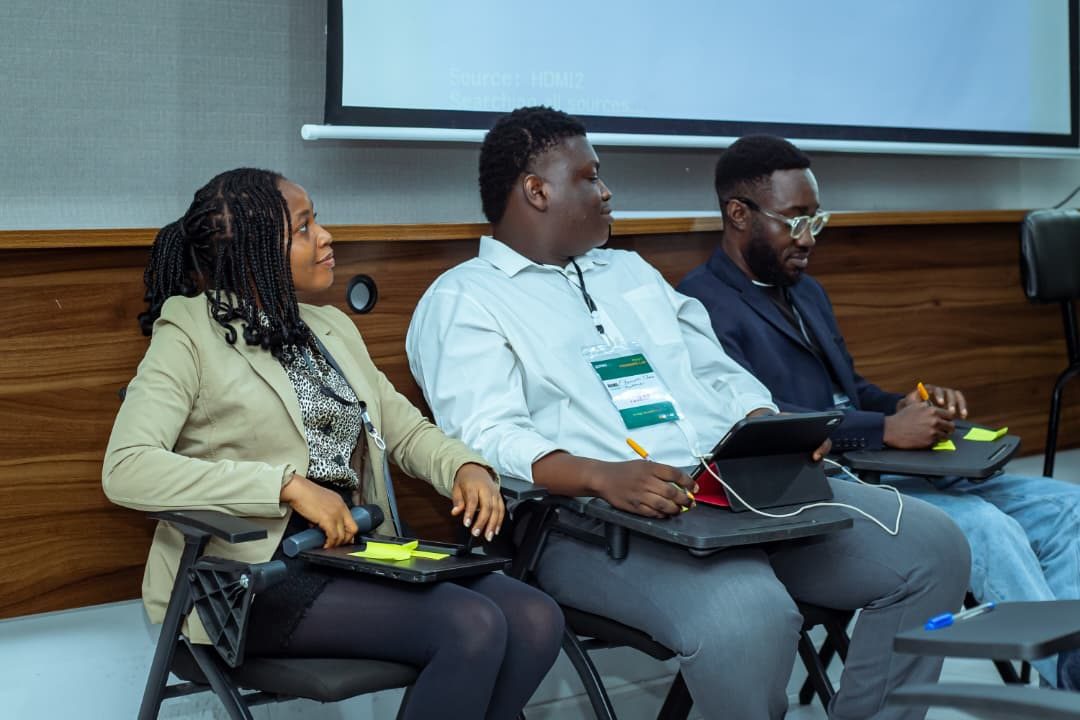
On funding pathways, Ashimolowo covered grants, angel investors, syndicates, and venture capital, stressing that the pathway a founder chooses should match their stage.
“If you want to raise venture capital, you need revenue trends of at least six months,” he said. “And use customer money first. If a customer is willing to pay you, that is your first validation.”
The lab closed with two moments that captured what the whole two days had been building toward. Pivot HQ launched Builda, its new community and culture brand, unveiling branded merchandise and signalling that the network being built around the programme is meant to outlast the event itself.
Then came a live pitch simulation, where founders took turns pitching their business models and proposed funding amounts to the rest of the room, who acted as investors. It was loud, competitive, and practical, exactly the kind of rehearsal that the rest of the programme had been preparing them for.
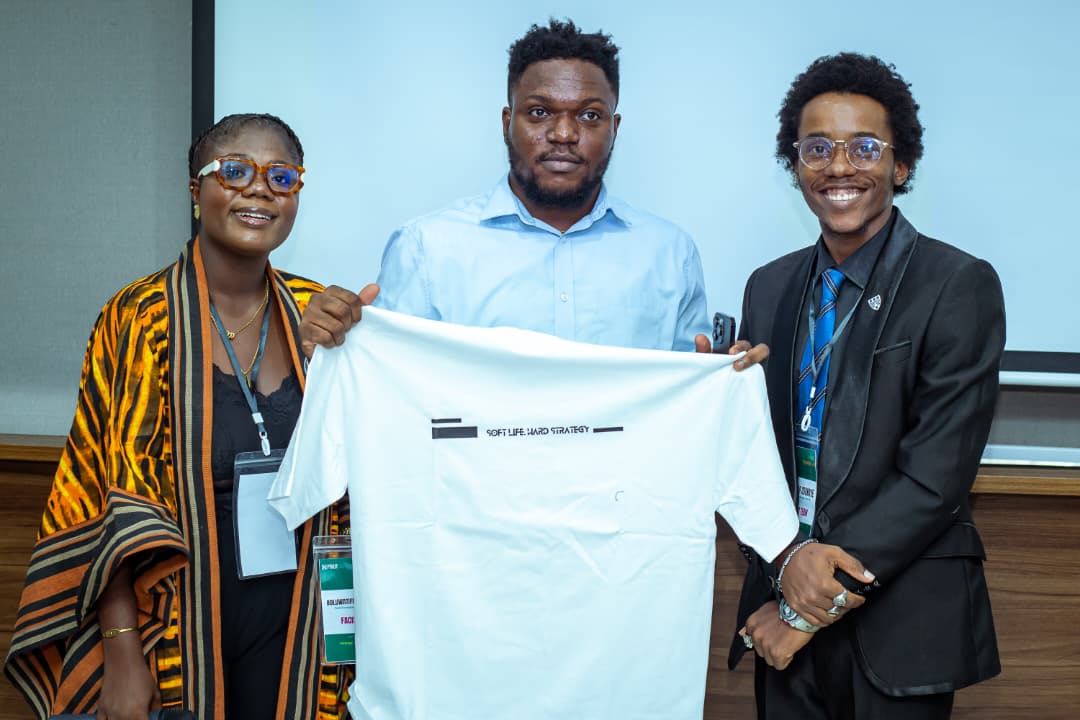
Adedeji closed by announcing that ten startups would be shortlisted for the accelerator programme, from which two or three would eventually be selected to receive direct fundraising support from Pivot HQ’s network of investors.
For a room full of founders at different stages, some still validating, some already generating revenue, the two days delivered something rare. Less inspiration, more infrastructure. Less promise, more preparation.
