





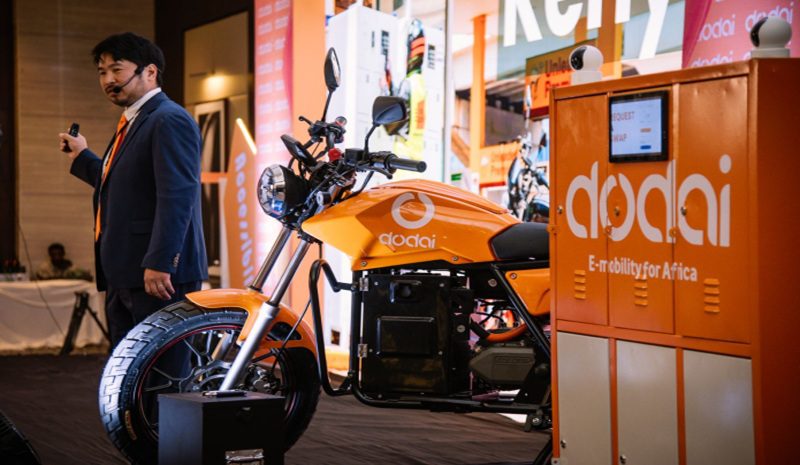
Ethiopian electric mobility startup Dodai has raised $13 million in Series A funding to expand its battery-swapping infrastructure for electric motorcycles, as international investors increase their bets on Africa’s clean transport sector.
The company raised $8 million in equity and $5 million in debt. British International Investment (BII), the UK’s development finance institution, supported the round. A group of Japanese investors also participated, including Value Chain Innovation Fund, UTokyo Innovation Platform, Nagase & Co., Persistent ACV Fund, and Inclusion Japan.
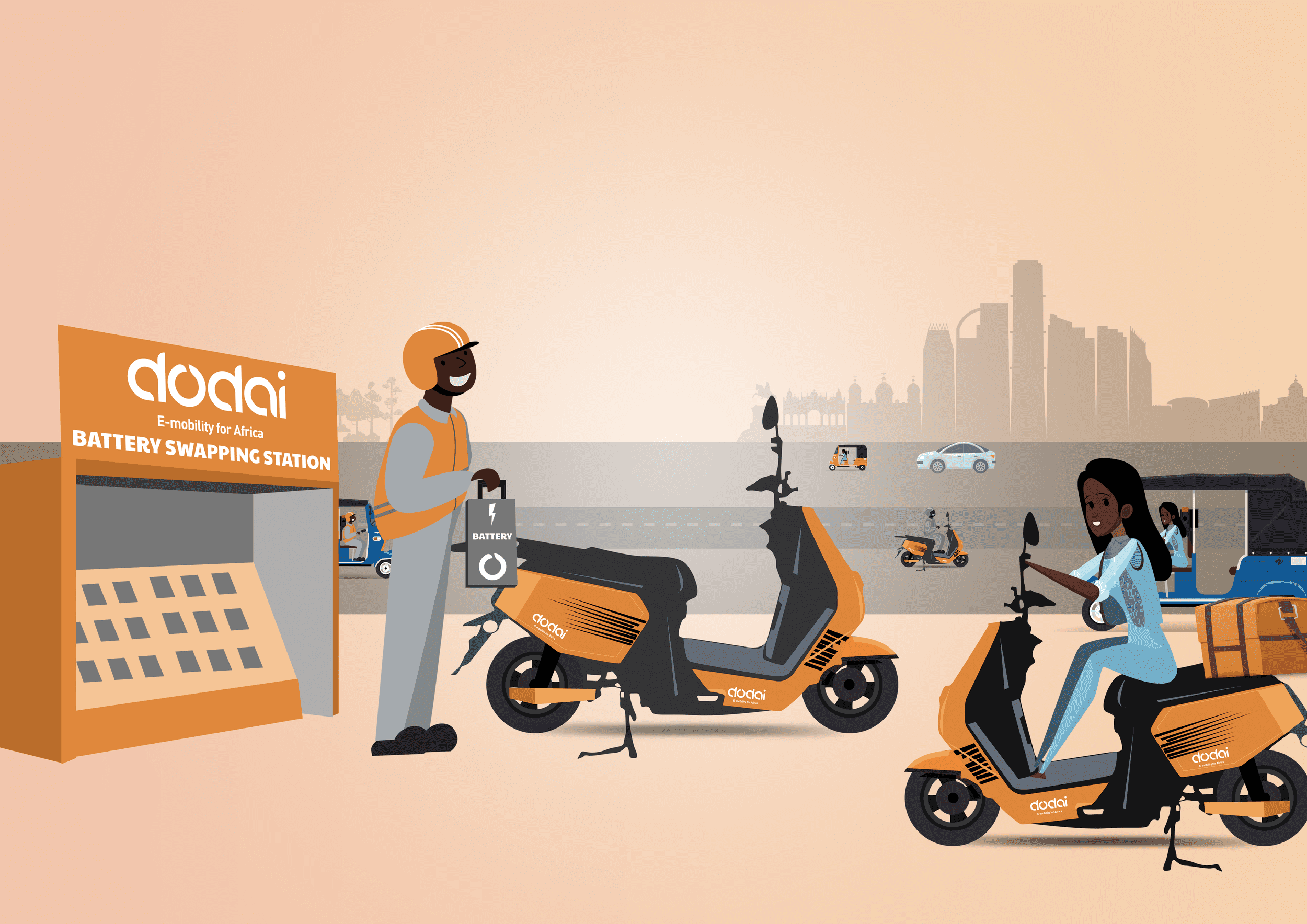
Dodai, founded by Japanese entrepreneur Yuma Sasaki, builds electric motorcycles in Addis Ababa. They have a unique battery-swapping system where riders can quickly replace a used battery with a fully charged one.
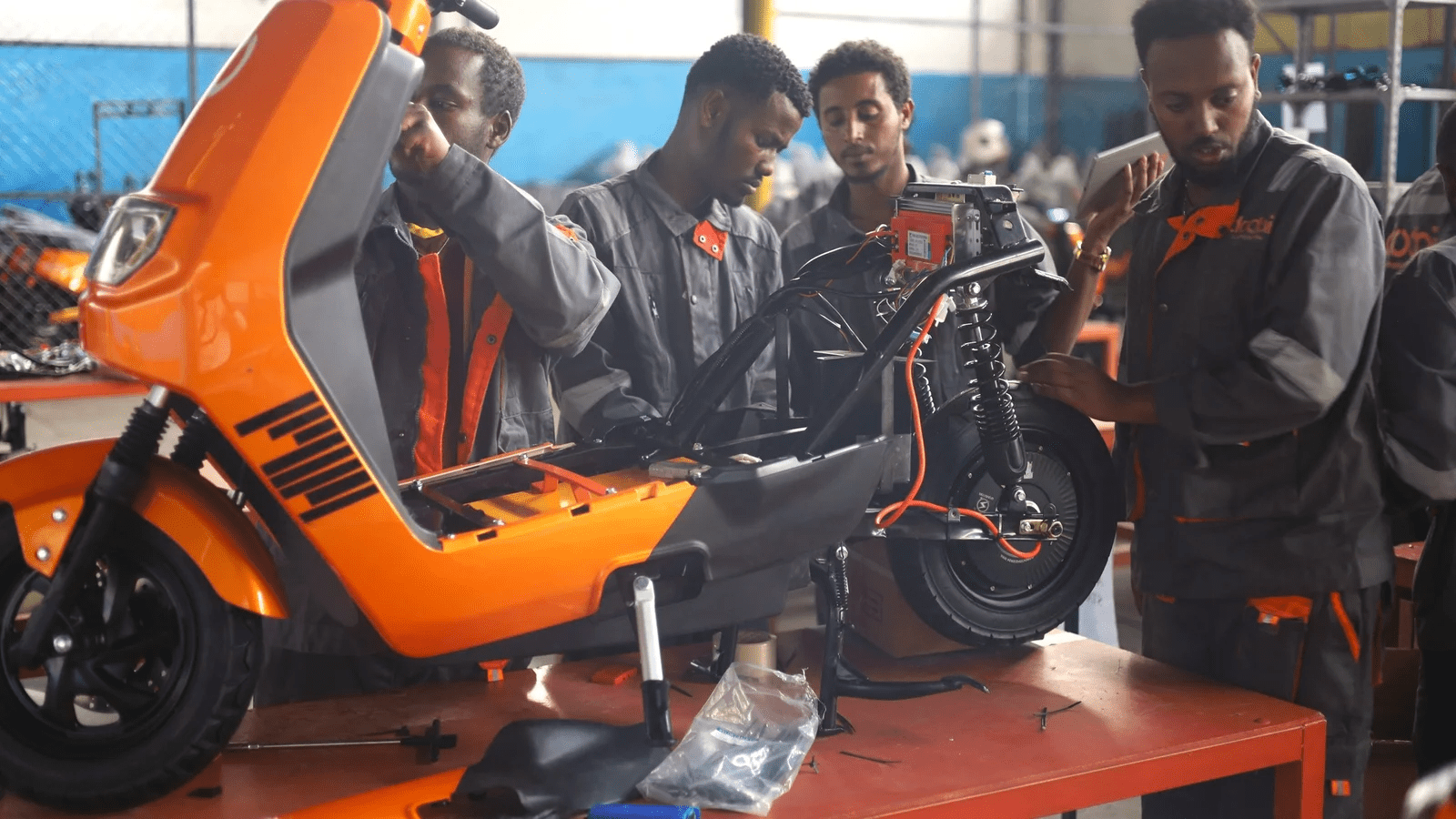
This saves time compared to regular charging. Dodai’s system is designed for delivery drivers and motorcycle taxi operators who require minimal downtime. The company says that riders who switch from gasoline-powered motorcycles to Dodai’s electric bikes can save 80 to 90% on fuel and maintenance costs.
Since it launched, Dodai has put more than 2,000 electric motorcycles into use and has grown to about 100 employees, 97% of whom are Ethiopian. Their motorcycles cost about 150,000 Ethiopian birr (approximately $1,170). They also offer monthly payment plans starting at 8,000 birr through Vision Fund, a microfinance company.
Dodai plans to use the new funding to reach 3,000 active users of its battery-swapping service, supported by 30 stations in Addis Ababa, within the next year. Their goal for the next three years is much larger: 30,000 users and 1,000 stations in Addis Ababa. After that, they intend to expand to Abidjan, Kinshasa, and Accra.

Why Ethiopia is the right bet for Dodai
Ethiopia’s policies strongly favour electric vehicle (EV) startups. In January 2024, Ethiopia became the first country to ban the import of gasoline-powered vehicles, mainly for economic reasons. The country spends over $4.5 billion each year on fuel imports.
After defaulting on its debt in 2023 and receiving a $3.4 billion loan from the IMF in 2024, reducing spending on foreign currency became critical. Since about 90% of Ethiopia’s electricity is generated by hydroelectric power, switching to electric vehicles is both financially and environmentally beneficial.
To encourage local assembly of electric vehicles (EVs), the government has implemented an import ban alongside tariff incentives. Fully assembled EVs are subject to a 15% import tax, but locally assembled EV kits are exempt from this tax. Ethiopia aims to have 500,000 EVs on its roads in the next ten years, a significant increase from the current number of approximately 100,000.
Sasaki has been deliberate about choosing Ethiopia over more obvious markets. “Nigeria and Kenya are attractive but crowded. Ethiopia and the DRC are large but difficult, with fewer competitors. That means more impact if we succeed,” he said.
Dodai faces competition in the growing African e-mobility sector from players such as Spiro, ARC Ride, and Ampersand. Dodai’s strength is its focus on Ethiopia and its plan for a dense network of 1,000 battery-swapping stations in Addis Ababa.
Similar read: Spiro unveils 1,000 new bikes as it expands electric mobility drive in Ogun State
