




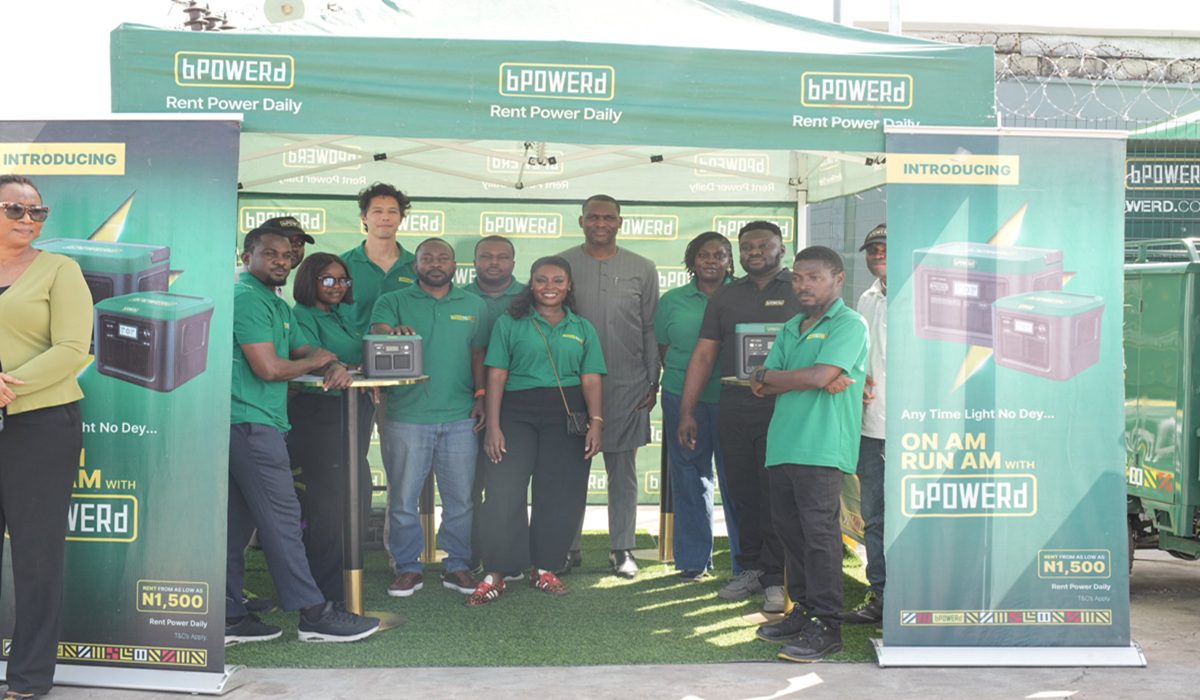
BP-backed clean energy startup bPOWERd has launched its solar-powered battery rental service in Nigeria, establishing seven sites in Lagos. The company aims to provide a more affordable and environmentally friendly alternative to the petrol generators widely used across the country.
bPOWERd launched in Nigeria on Sunday, establishing its initial operational presence at Mobil service stations run by 11plc across Lagos. The model is straightforward: customers pay a refundable ₦15,000 deposit and rent a portable, solar-charged battery by the day.
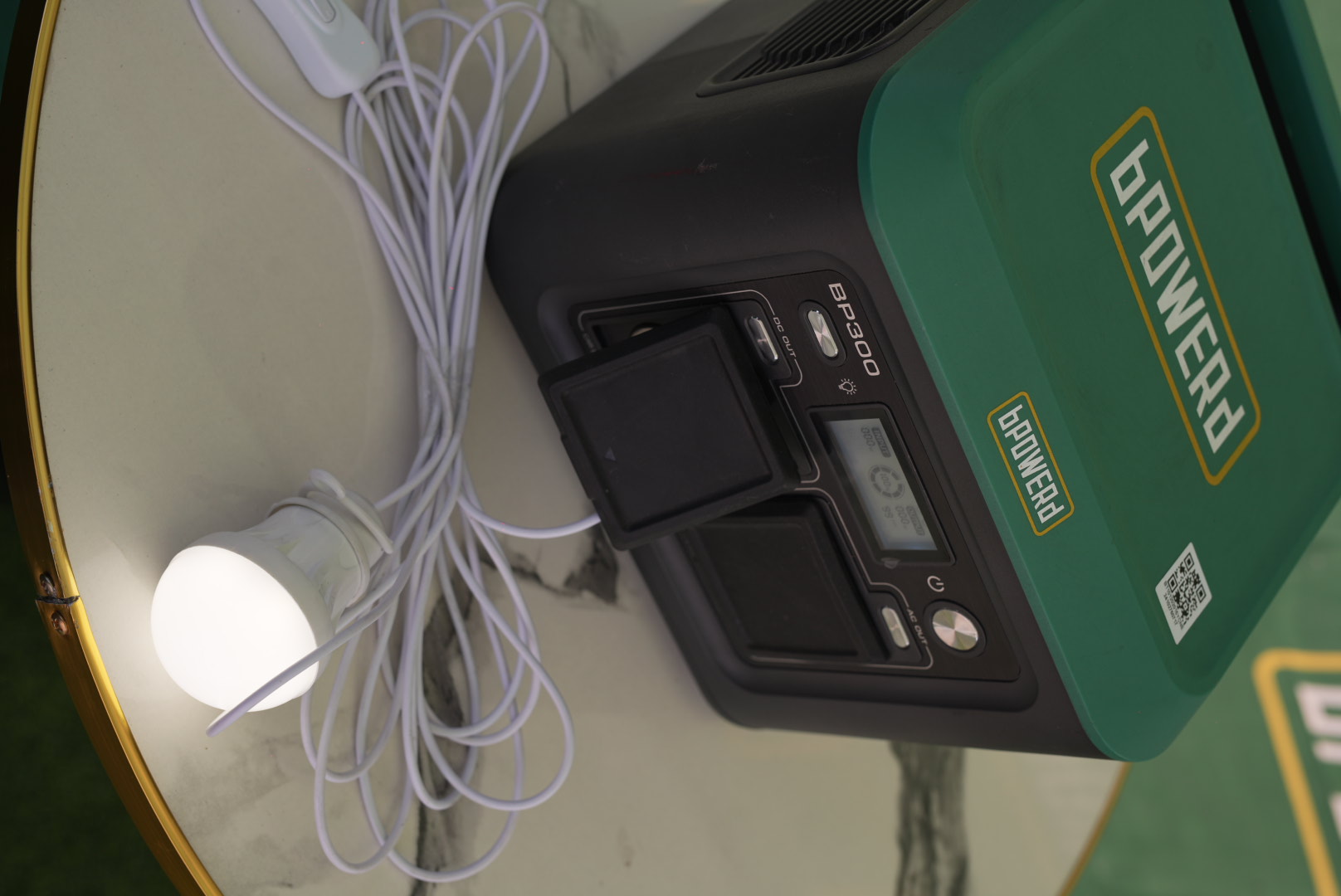
A small battery delivering 300-watt-hour costs ₦1,500 per day. A larger 1,000-watt-hour unit starts from ₦3,000 and can power essential appliances, including lighting, fans, TVs, refrigerators, and small business equipment for up to 12 hours.
Generators are significantly more expensive. For example, powering a small generator (0.9-1.2 kVA) for 12 hours costs Nigerians about ₦10,000 daily due to fuel. In contrast, a bPOWERd battery providing the same 12 hours of power costs only ₦3,000.
This represents roughly a 70% reduction in daily energy costs, and it also eliminates the noise, fumes, maintenance, and safety hazards associated with generators.
The Nigeria launch follows a successful first year in South Africa, where bPOWERd facilitated 125,000 rentals in its first 12 months of operation.
The company says it has already reached 60% of its six-month rental target in Nigeria within just seven weeks of becoming operational, a sign that demand for the model is real and moving faster than projected.
Why Nigeria needs a solar system like bPOWERd
Nigeria’s energy crisis is well-documented. According to World Bank data, 43% of the Nigerian population lacks access to the grid entirely.
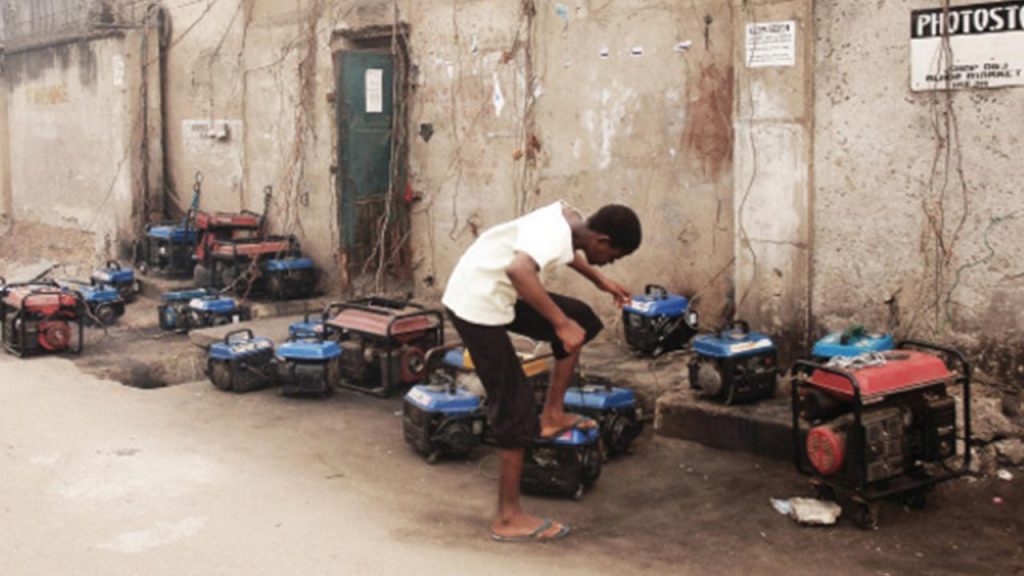
For those who do have a connection, the supply is so unreliable that generators have become a standard fixture in homes, shops, restaurants, schools, and markets across the country. The cost of running those generators is not just financial; it is a daily tax on productivity, health, and the environment.
For small businesses in particular, the burden is disproportionate. A generator needs fuel every day, regardless of whether the business makes money. It needs maintenance. It breaks down. And for traders or artisans operating on thin margins, the ₦10,000 daily fuel cost can wipe out whatever profit the day generated.
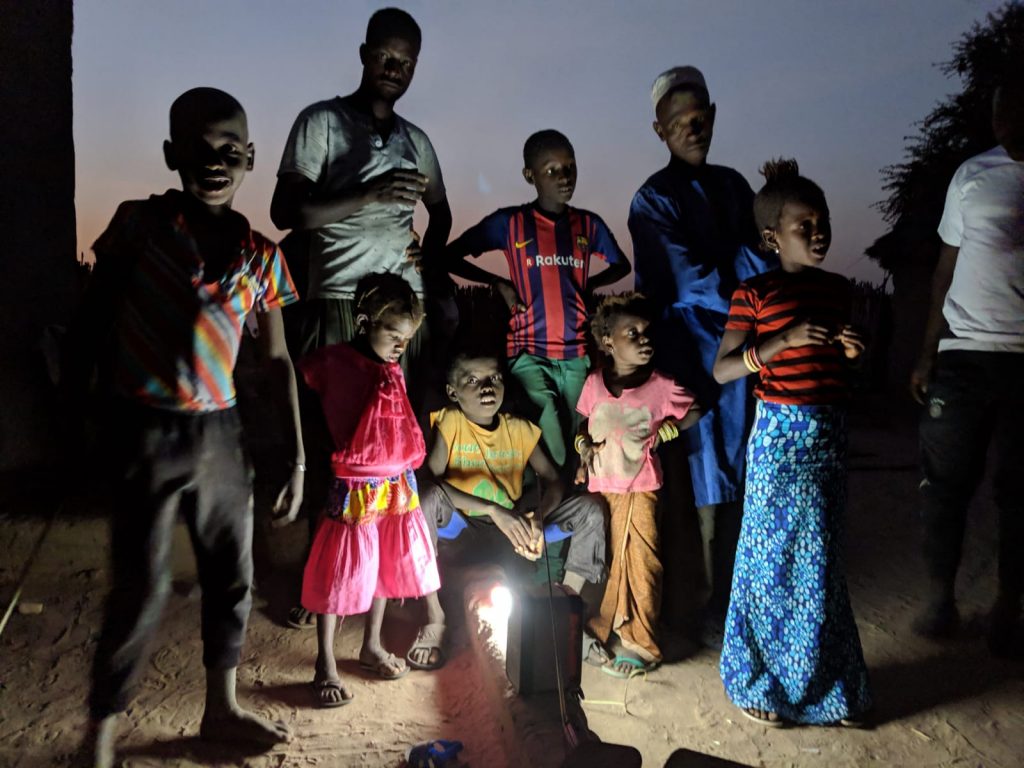
bPOWERd’s pay-per-use model removes the upfront cost barrier that has kept solar alternatives out of reach for most low and middle-income Nigerians. There is no need to buy equipment, install panels, or commit to a long-term contract. You rent a battery when you need power, return it when you are done, and pay only for what you use.
Jonathan Lule, Managing Director at bPOWERd, framed it as a fundamentally economic intervention.
“Small businesses sit at the centre of everyday economic activity, yet many continue to operate against the backdrop of unstable and expensive power,” he said. “At a time of continued grid instability, bPOWERd is helping households and small and medium-sized enterprises access dependable pay-per-use power they can rely on.”
Also read: China solar panel exports to Africa jump by 83% as demand for clean energy surges
Oluwole Ogidan, Head of bp Global West Africa, said the rollout also has a workforce dimension. “Beyond expanding access to reliable power, this rollout also supports the growth of a local green workforce through on-site sales roles and partnerships with Nigerian solar technicians,” he said.
The seven Lagos sites are the beginning. Whether bPOWERd can scale beyond Lagos, to cities like Kano, Ibadan, Port Harcourt, and Abuja, where the energy deficit is equally severe, will determine how transformative this model can be for Nigeria’s energy landscape. But the early numbers suggest the appetite is there.
