





Children are growing up in a world where learning no longer begins and ends in the classroom. In today’s rapidly evolving digital era, a smartphone or tablet can easily become a child’s reading companion, maths tutor, music coach, storytelling partner, or even a virtual classroom.
For many parents, especially in busy households, educational apps have become powerful tools for reinforcing what children learn in school while helping them explore new interests in fun and interactive ways.
To commemorate this year’s Children’s Day celebration, I spoke with several mothers who have intentionally integrated digital learning into their children’s daily routines.
From phonics and mathematics to African storytelling and virtual classrooms, these are some of the top learning apps parents say are helping their children learn smarter, faster, and more creatively in 2026.
1. CoComelon: Learn ABCs and 123s
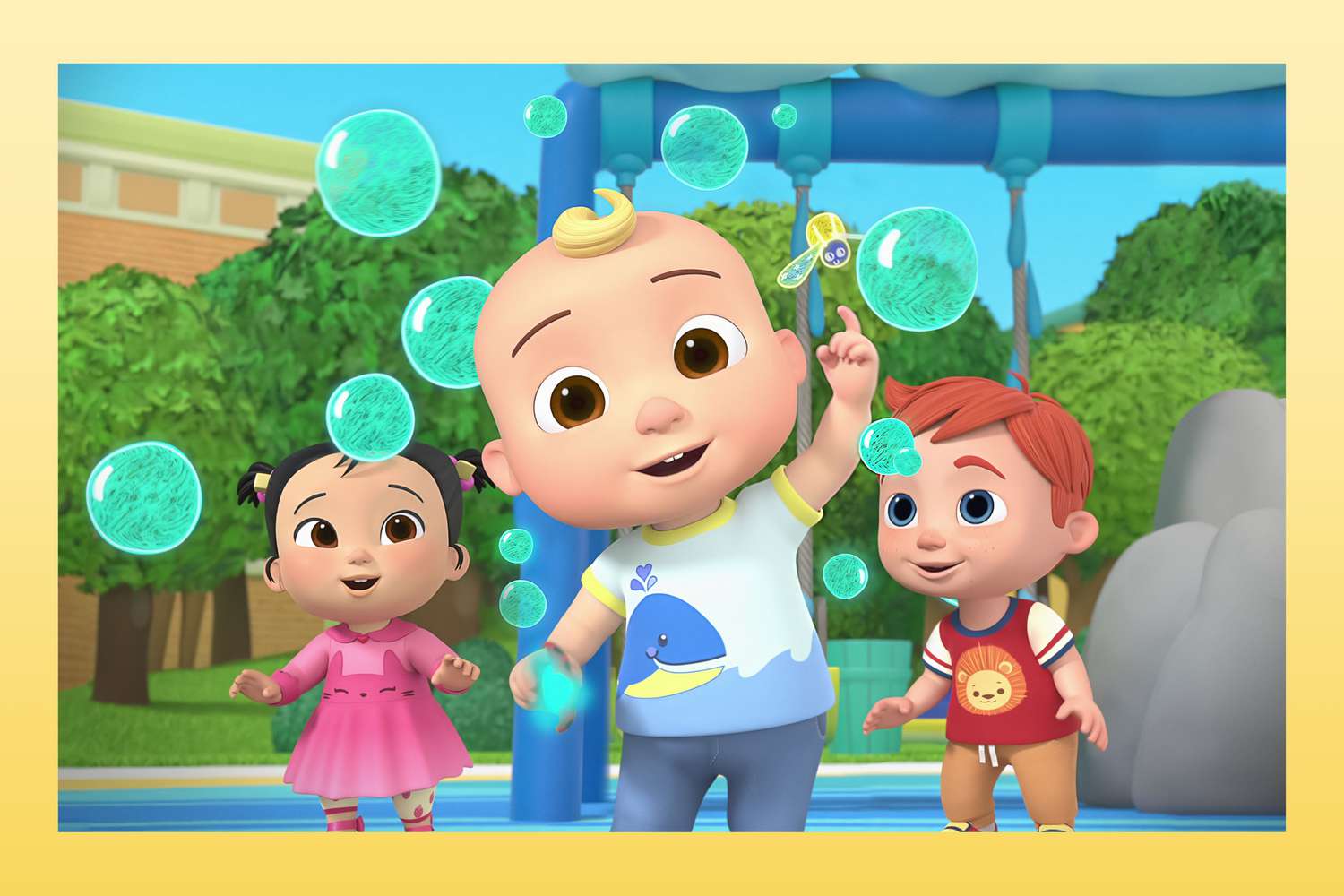
Few children’s learning platforms have become as globally recognisable as CoComelon. Originally launched as a YouTube children’s series in the United States, the platform has evolved into a full learning app designed for preschoolers and toddlers.
Through catchy songs, colourful animations, and relatable family characters, CoComelon teaches everything from the alphabet and counting to potty training, friendship, colours, and emotional development.
Parents especially love how the app combines music with storytelling, making learning feel less like schoolwork and more like entertainment.
Beyond the mobile app, CoComelon also operates through YouTube videos and online streaming platforms, with most lessons delivered in short-form animated video formats that keep young children engaged. The app is best suited for children between the ages of 2 and 5.
2. YouTube Kids
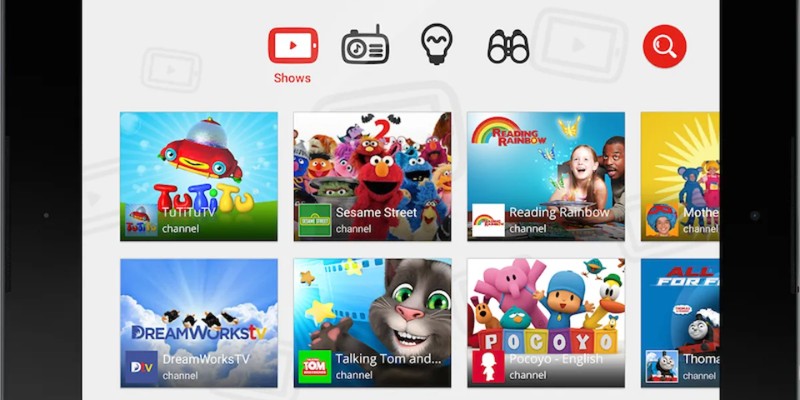
For many parents, YouTube Kids has become the safer alternative to regular YouTube. It was developed by Google in 2015 to provide children with a more controlled digital environment where they can explore educational and entertaining videos without stumbling into inappropriate content.
Children can watch videos about science experiments, nursery rhymes, mathematics, drawing, music, language learning, gaming, and even DIY crafts. Parents can also customise screen-time controls and content filters based on age groups.
The platform primarily uses video content and is available globally on Android, iOS, smart TVs, and the web. It is most popular among children aged 4 to 12.
3. Duolingo ABC
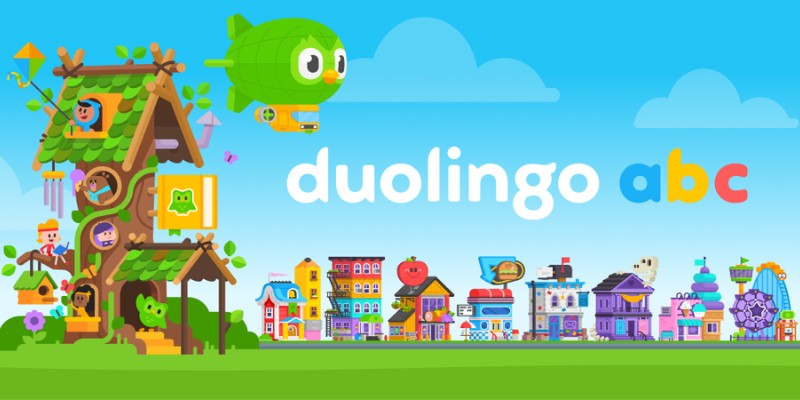
Reading can be difficult for many early learners, but Duolingo ABC turns literacy into an interactive adventure.
It was developed by Duolingo to focus on helping preschool and elementary school children build reading confidence through bite-sized phonics lessons, tracing activities, vocabulary games, and interactive storytelling.
Designed for children between the ages of 3 and 8, Duolingo ABC uses colourful visuals, rewards, animations, and hands-on activities to make reading enjoyable rather than stressful.
The platform complements the company’s broader learning ecosystem, which also includes its main website and language-learning apps. Lessons are delivered through a mix of written exercises, mini-games, and animated interactions.
4. uLesson

When conversations about African edtech success stories come up, uLesson is almost impossible to ignore.
Founded in Nigeria in 2019 by Sim Shagaya, the platform was initially launched with preloaded SD cards and USB drives containing educational videos for K–12 students before expanding into a full digital learning ecosystem.
Today, uLesson serves learners across Nigeria, Ghana, Sierra Leone, Liberia, and The Gambia, offering educational support for primary and secondary school students preparing for exams such as WAEC, JAMB, GCSE, NECO, BECE, and GCE.
What makes the app stand out is its localised teaching style, which resonates strongly with African learners. The platform combines video lessons, quizzes, homework support, and interactive exercises, making it ideal for children and teenagers between the ages of 6 and 18.
Beyond the app, uLesson also operates online learning platforms and even launched Miva Open University in 2023.
5. Kunda Kids
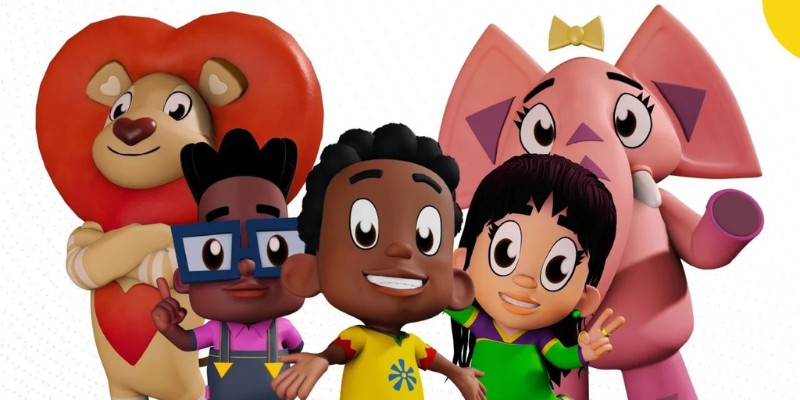
Kunda Kids is redefining children’s storytelling from an African perspective. The app was created to expose children to African culture, languages, and values by offering interactive stories and audiobooks designed for children ages 3 to 8.
One of its strongest features is language preservation. Children can learn African languages such as Yoruba, Igbo, Twi, Wolof, Luganda, Kiswahili, and others while enjoying beautifully illustrated stories and engaging narrations.
The app blends storytelling, audio learning, and visual reading formats, helping children improve comprehension and vocabulary while also strengthening cultural identity.
6. Outschool
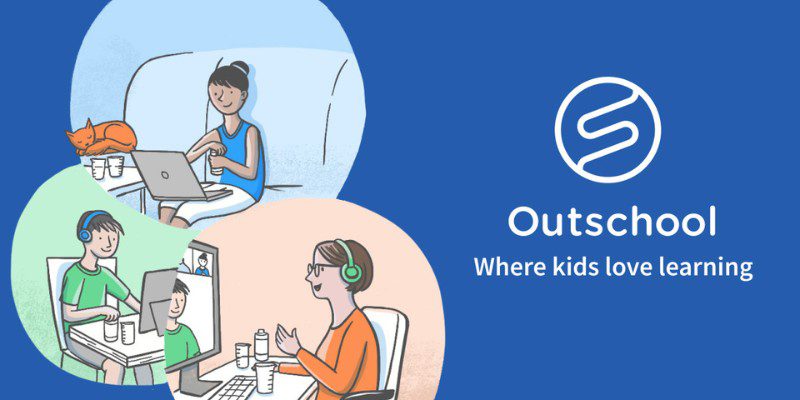
Unlike traditional educational apps that focus only on recorded lessons, Outschool brings live learning into children’s homes. It operates as an online marketplace where children aged 3 to 18 can join interactive virtual classes taught by educators from around the world.
The platform offers more than 150,000 classes spanning subjects like mathematics, coding, art, music, science, business, writing, and even life skills.
Parents appreciate the flexibility because children can choose classes based on their interests rather than rigid school curricula. Outschool mainly delivers its content through live video classes and online sessions accessible through its website and mobile platforms.
7. PrepClass
Nigeria’s digital education sector continues to grow rapidly, and PrepClass remains one of the country’s most recognised platforms for personalised learning. The app connects students with tutors for home lessons, online classes, and AI-powered test preparation.
PrepClass is particularly useful for secondary school students preparing for examinations and standardised tests. Its dedicated Prep-Test app and TOEFL preparation platform help students practise with simulated exams and AI-assisted grading systems.
The app combines written materials, quizzes, virtual tutoring, and practice-based learning formats for learners typically between ages 10 and 18.
8. Khan Academy Kids
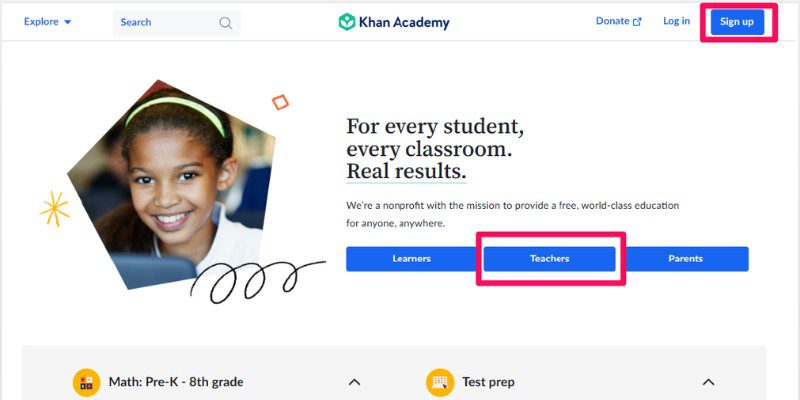
Built from the globally respected Khan Academy ecosystem founded by Sal Khan, Khan Academy Kids offers one of the most comprehensive free learning experiences available for young children.
The app provides lessons in mathematics, reading, history, literature, science, and problem-solving through animated characters, short instructional videos, games, and interactive exercises. Because the platform is completely free, it has become a favourite among parents seeking quality educational support without expensive subscription costs.
Khan Academy Kids is primarily designed for children between the ages of 2 and 8, while the broader Khan Academy platform supports older learners globally through websites, YouTube channels, and mobile apps.
9. BBC Bitesize
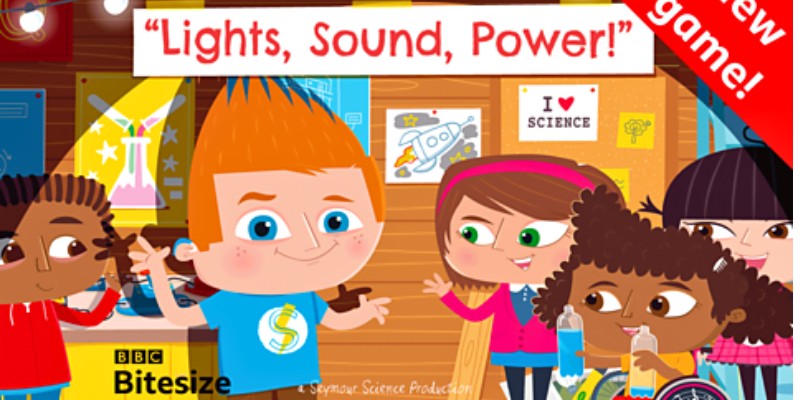
For children in the United Kingdom and beyond, BBC Bitesize has remained a trusted academic companion for years. It was developed by the BBC to provide curriculum-based study resources, revision guides, homework support, and interactive educational materials tailored to different UK education systems.
The platform supports learners aged 4 to 16 and covers subjects including mathematics, English, science, history, geography, and computing.
BBC Bitesize uses videos, written explainers, quizzes, and revision exercises to simplify difficult topics and encourage independent learning. It is accessible through both its website and mobile-friendly platforms.
10. SplashLearn
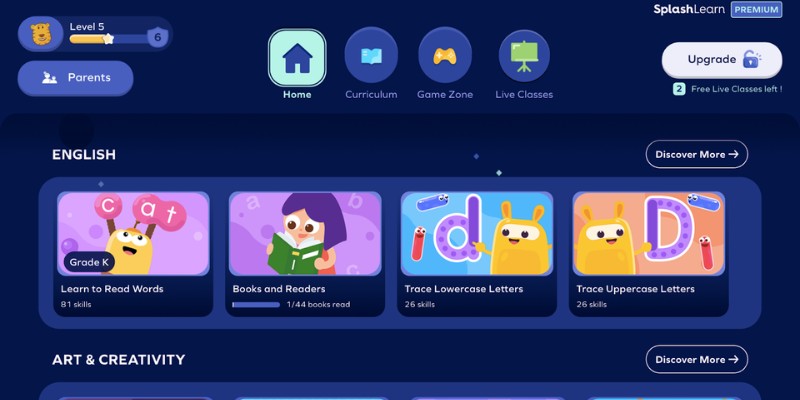
SplashLearn has become increasingly popular among parents looking for a gamified learning experience for younger children. It was designed for learners between the ages of 2 and 11.
The app transforms subjects like mathematics, reading, phonics, and critical thinking into interactive games and engaging activities.
Rather than overwhelming children with traditional classroom-style teaching, SplashLearn uses colourful challenges, rewards, and playful learning systems to improve comprehension and retention.
It is available on mobile devices and web platforms with a combination of videos, games, quizzes, and reading exercises to make learning feel exciting instead of repetitive.
Read also: Children’s Day: Bolt donates portion of earnings to vulnerable children
