


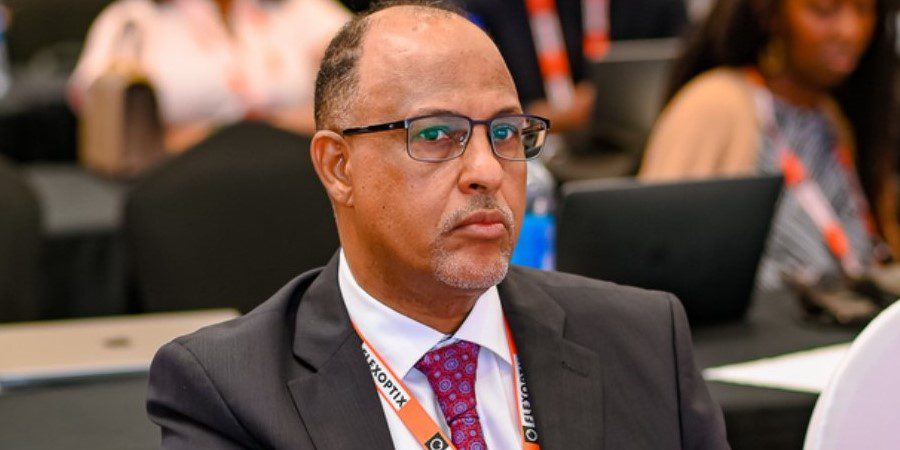
The Nigerian Communications Commission (NCC) has inaugurated the new board of the Nigerian Internet Protocol version 6 (IPv6) Council, with Muhammed Rudman, Chief Executive Officer of Internet Exchange Point of Nigeria (IXPN), retaining his spot as the council’s chairman.
The inauguration of the new board is part of a broader push to improve one of Nigeria’s internet engine rooms from IPv4 to IPv6. The transition also comes amid growing demand for the internet, increased smartphone adoption and a push for address space.
While recognising the new board inauguration as a milestone in the Nigerian telecoms space, Rudwan noted that the transition to IPv6 is essential for enabling Nigeria’s digital transformation, economic growth, and global competitiveness. He added that the shift is strategic for national priorities.
“The council’s strategy identifies IPv6 as a primary catalyst for national development, focusing on three pillars: supporting emerging technologies such as 5G and the Internet of Things (IoT), promoting economic diversification, and providing enhanced security and performance compared to legacy solutions such as Network Address Translation (NAT),” Rudman said during the new board’s inauguration.
Rudman recognised the efforts of former board members, noting that their contributions were pivotal for setting the foundation for the migration.
Outgoing board members include the former President of the Association of Telecommunications Companies of Nigeria (ATCON), Mr Olusola Teniola; former CEO of MainOne, Mrs Funke Opeke; former President of Nigeria Internet Registration Association (NiRA), Mary Uduma; and convener of Nigeria eGovernment Summit, Mr Lanre Ajayi.
Leading the new IPv6 board is Mr Muhammed Rudman as Chairman and a representative from the NCC as Co-Chairman. Board members were chosen from the industry, with representatives from NITDA, ATCON, NIRA, ALTON, ISPON, and NgREN. Also, Dr Chris Uwaje and Prof. Latif Ladid will serve as Advisers.
Also Read: 4 times Nigeria has missed a digital broadcast switch deadline since 2012 and what happened.

New IPv6 council’s pursuit
IPv6, which is the latest global standard for identifying and routing devices. It is designed to replace the ageing IPv4 system and is set to redefine Nigeria’s internet connectivity pace.
The continued push for the transition becomes necessary for two reasons.
More Nigerians are coming online, signifying a growing demand and pressure on telecoms infrastructure. Latest industry data shows that Nigerians used 1.4 million terabytes of data in March 2026, the highest yet. IPv6, with its large capacity for addressing and advanced routing, is pictured as a determinant in sustaining the growth.
Nigeria’s IPv6 adoption rate is around 5%. For a technology launched in June 2012, the rate shows Nigeria’s high dependence on IPv4, a technology that’s already becoming obsolete. In fact, Nigeria is behind emerging countries such as Saudi Arabia, India and Gabon, where usage has crossed 40%.

The new board will now be working on creating awareness for IPv6 and making plans for its adoption. Rudman stressed that the plan is structured around two primary initiatives: awareness-raising and capacity-building.
Revealing more plans, he said the board will prioritise promoting awareness through events and workshops, and also provide IPv6 training to network engineers across various operators, including ISPs, telecoms operators, educational institutions, and financial organisations.
The board is also expected to develop and oversee the national IPv6 strategy, monitor adoption across sectors, and report regularly to the Federal Government. It will also address bottlenecks in IPv6 rollout, strengthen local engineering capacity, and recommend regulatory measures to encourage market players to upgrade.
