


PayPal has frozen funds and restricted access to an unknown number of Kenyan accounts after tightening its anti-money laundering and compliance checks, leaving freelancers, online sellers, startups, and small business owners unable to access money they have already earned.
The company is asking affected Kenyan users who receive international payments to provide work contracts, bank statements, and proof of a physical home address to keep their accounts active. Those who cannot provide the documents are blocked from sending or withdrawing their money for at least six months. If an account remains non-compliant beyond that period, PayPal deactivates it permanently and does not return the funds to the original sender.
Users can still log in and see their balance and transaction history. They simply cannot move the money. PayPal has told affected accounts it may hold balances for up to 180 days to cover possible chargebacks or liabilities before releasing them. Even after accounts are restored, future incoming payments can still be held for up to 21 days.
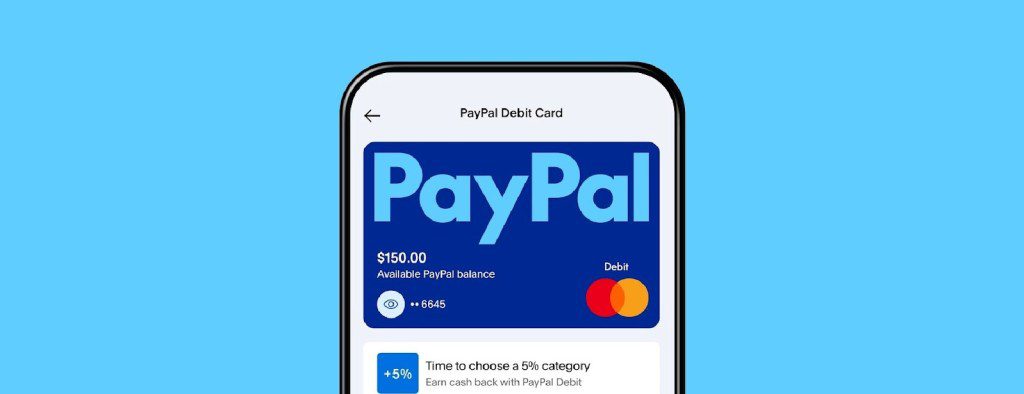
The impact has been immediate and personal. One Kenyan freelance writer was locked out of $190, approximately KES 24,500, paid by a client in the United Kingdom. He submitted his contract and ID documents. PayPal permanently limited the account anyway, citing suspicious activity.
The hardest requirement to meet is proof of physical address. The payments company wants utility bills, electricity, water, gas, or internet statements tied to a formal home address. That is a straightforward ask in the United States or Europe, where street addressing systems are standardised.
In Kenya, where most neighbourhoods rely on landmarks and informal names rather than structured addresses, it is effectively impossible for a significant portion of users to comply.
Also read: PayPal expands PYUSD stablecoin to 70 markets, including Africa
The affected accounts span individual freelancers and online workers, creative professionals, small startups, and people raising funds for causes, precisely the Kenyan users who depend on the payments company as their primary link to international clients and customers.

A familiar PayPal story with a trigger
PayPal is implementing stricter rules due to new regulations. In February 2024, Kenya was added to a list of countries under increased international monitoring by the Financial Action Task Force. This means Kenya needs to improve its systems for preventing money laundering and terrorism financing.
As a result, banks and payment companies like PayPal are now closely examining transactions connected to Kenya. The company’s current stricter measures are a direct response to this increased scrutiny.
This policy has been particularly challenging for Kenyan users, who have experienced similar frustrations over an extended period. A 2023 survey conducted by Kenyan entrepreneur Sam Gichuru revealed that about 35% of respondents had their funds withheld for over six months, with some never getting their money back.

Previously, in 2018, nearly all Kenyan accounts linked to M-Pesa were frozen suddenly during the initial phase of the PayPal-M-Pesa integration. These accounts were later unfrozen without any explanation or apology. Additionally, a class-action lawsuit has been filed, accusing the company of seizing customer funds without proper justification.
The company processed $464 billion globally between January and March 2026 alone and holds over 439 million accounts worldwide. It does not publish Africa-specific numbers, has no physical offices on the continent, and operates through local partners.
In Kenya, Equity Bank is the only lender with a direct PayPal withdrawal link, while Safaricom’s M-Pesa runs a separate integration. PayPal did not respond to questions about the frozen accounts.
For Kenyan users navigating the current freeze, the practical advice is to keep account details, identification documents, and client contracts consistent and ready before large payments arrive. More importantly, PayPal should not be the only payment channel.
