





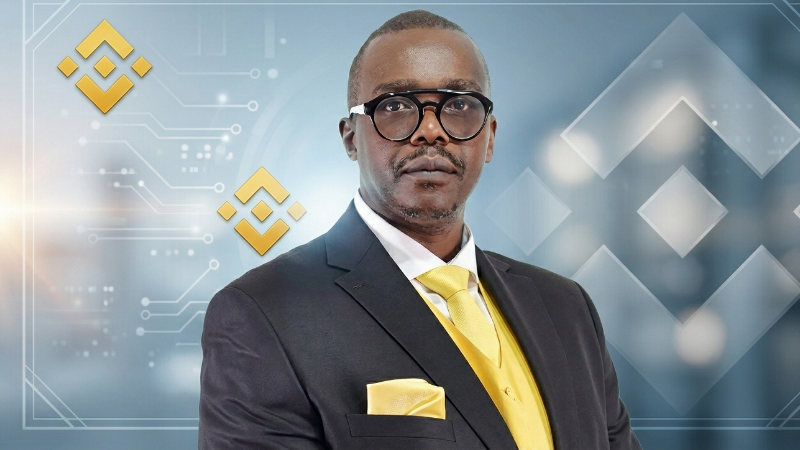
Binance has announced the appointment of Sammy Mutua as its new General Manager for Africa, in a decisive move to stabilise its operations in the region. This comes amidst Nadeem Anjarwalla’s highly publicised detention and subsequent escape from Nigerian custody, following allegations of tax evasion and money laundering. For the world’s largest cryptocurrency exchange, the fallout served as a brutal wake-up call; the days of moving fast and breaking things were over, forcing a complete rethink of how the company operates.
Operating out of Nairobi, the appointment of the Kenyan-born finance expert to lead the region at this very point in time represents a stark departure from the typical crypto-native executive hiring by the company. Mutua is a formidable African operator with a two-decade track record bridging traditional banking and digital payments. His immediate mandate will be to repair fractured relationships and trust with the authorities in markets like Nigeria, navigate a fiercely regulated continent, and steer Binance’s regional ambitions into a mature, legally sound future.
Mutua’s background explains exactly why a company facing an existential crisis in the region needs a traditional finance expert. Armed with a Master of Science in Financial and Business Economics, he built his foundation in early product development at Standard Chartered Bank before rising through the ranks of the financial establishment.
His career essentially maps the evolution of the African fintech sector. During his recent tenure as Executive Head of Payments at M-Pesa Africa, Mutua managed digital payment ecosystems serving millions of micro-businesses across seven countries, driving partnership discussions, integrating new capabilities, and expanding the ecosystem for the continent’s most ubiquitous mobile money platform.
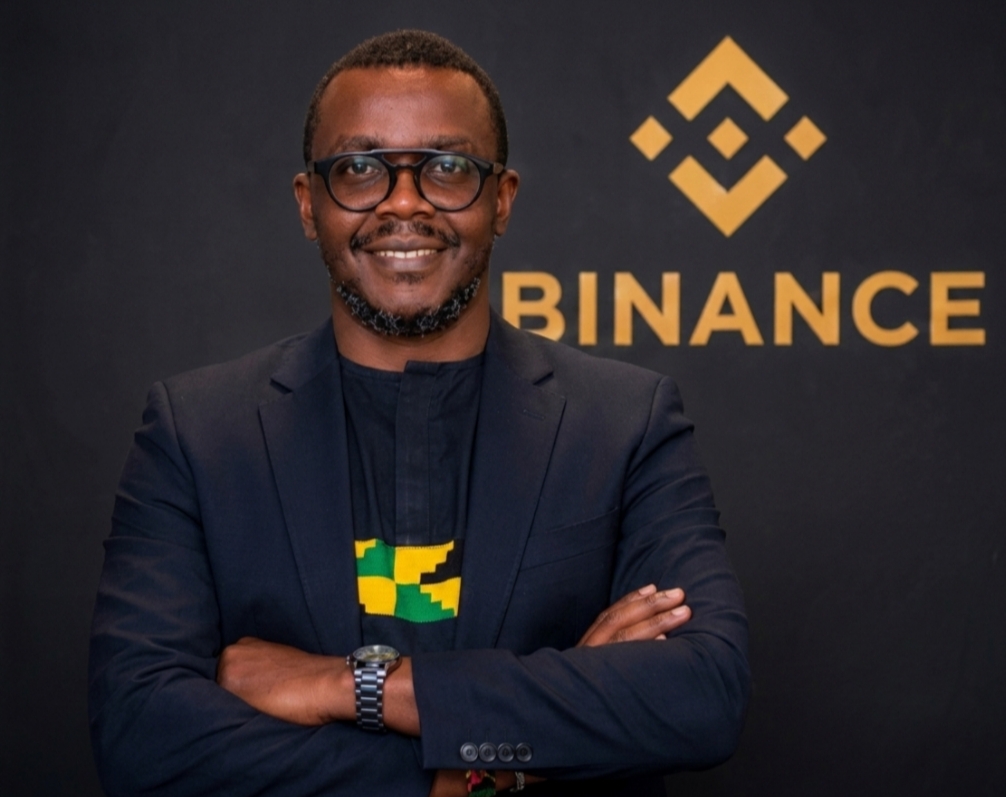
Before this, his role as Director of Products & Solutions for Visa Sub-Saharan Africa saw him orchestrate strategic alliances and advance commercial product development and cross-border infrastructure across East African markets. Furthermore, his extensive leadership spans complex portfolios across traditional banking and the Letshego Group. In these roles, he successfully married traditional banking infrastructure with digital agility to drive consistent balance sheet growth.
Survival in today’s digital asset market requires interoperability with legacy systems, and Mutua inherently understands the plumbing of continental finance. He knows how central banks operate, how clearinghouses function, and exactly what risk committees demand. For an exchange urgently trying to shed its renegade image and embed itself within formal economies, hiring a veteran who speaks the rigorous language of compliance in Africa makes absolute commercial sense.
Binance’s pivot to systemic integration
The fallout from Anjarwalla’s Nigerian exit exposed the severe risks of operating outside the regulatory perimeter. Governments across Sub-Saharan Africa are increasingly treating unlicensed digital asset platforms not as novel innovations but as potential threats to macroeconomic stability. Navigating crypto regulation in Africa is now a matter of corporate survival.
To secure its market share, Binance is executing a strategic overhaul built on institutional collaboration rather than aggressive retail acquisition. Mutua’s proven ability to manage regulatory diplomacy will be central to this effort.
This realignment is built on several key pillars, starting with active institutional collaboration. Binance must now work alongside regulators and public sector stakeholders to establish practical, enforceable frameworks for digital assets. There is also a renewed mandate to champion real-world utility. This involves identifying blockchain use cases that address tangible continental challenges, such as the friction in cross-border payments and the broader push for financial inclusion. Above all, the strategy prioritises compliance over speed. By embedding rigorous compliance protocols and fostering institutional trust, the exchange aims to appease nervous central banks and financial watchdogs.

As Mutua himself noted upon his appointment, “Africa represents one of the most important regions for the future of digital assets, with strong fundamentals driven by innovation, a growing digital economy, and clear demand for more efficient financial systems. What is critical now is building in ways aligned with local realities, working alongside regulators, partners, and communities to ensure that digital assets deliver tangible value. I’m looking forward to contributing to that effort and supporting the continued development of this ecosystem across the continent.”
Mutua’s appointment is a potent signal to the market and to regulators that Binance is finally serious about playing by the rules. Sub-Saharan Africa remains one of the most compelling geographies globally for digital asset adoption, fuelled by a youthful demographic, a burgeoning digital economy, and an urgent, structural need for more efficient financial systems.
Also read: MoneyGram launches native MGUSD stablecoin on Stellar for global remittances
However, rebuilding trust does not happen overnight, and Mutua’s ultimate success will depend on whether he can rebuild broken relationships, regain regulators’ confidence, and, most importantly, whether he is granted the internal autonomy to enforce genuine compliance. If he can successfully bridge the gap between Binance’s historically disruptive DNA and the strict demands of African regulators, he won’t just stabilise the exchange; he could very well write the blueprint for how global crypto platforms must operate across emerging markets.
