




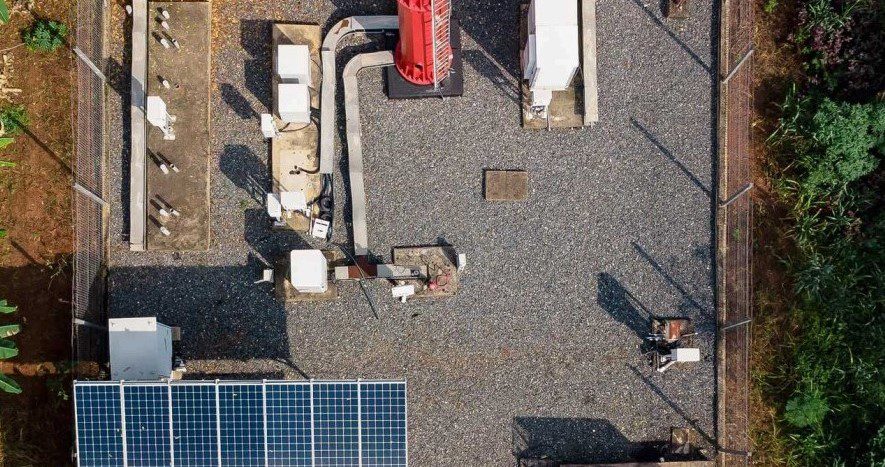
Airtel Nigeria revealed that it deployed 200 solar-powered telecom towers between April 2025 and March 2026 across rural and urban areas. It’s an attempt to reduce reliance on high-cost diesel and increase coverage.
According to Airtel Africa’s annual report for the 2025/26 financial period, it noted that through the ‘lean’ sites, uptime has increased by 21% and reduced monthly maintenance costs by 90% in Nigeria. It added that the initiative has reduced carbon emissions compared to diesel-powered sites.
The move comes at a time when Nigeria is experiencing unreliable power supply, coupled with the rising cost of diesel, which is now between ₦2,400 and ₦2,900 per litre. This joint effect has a drastic impact on the customer’s quality of experience, business activities and the operator’s value addition.
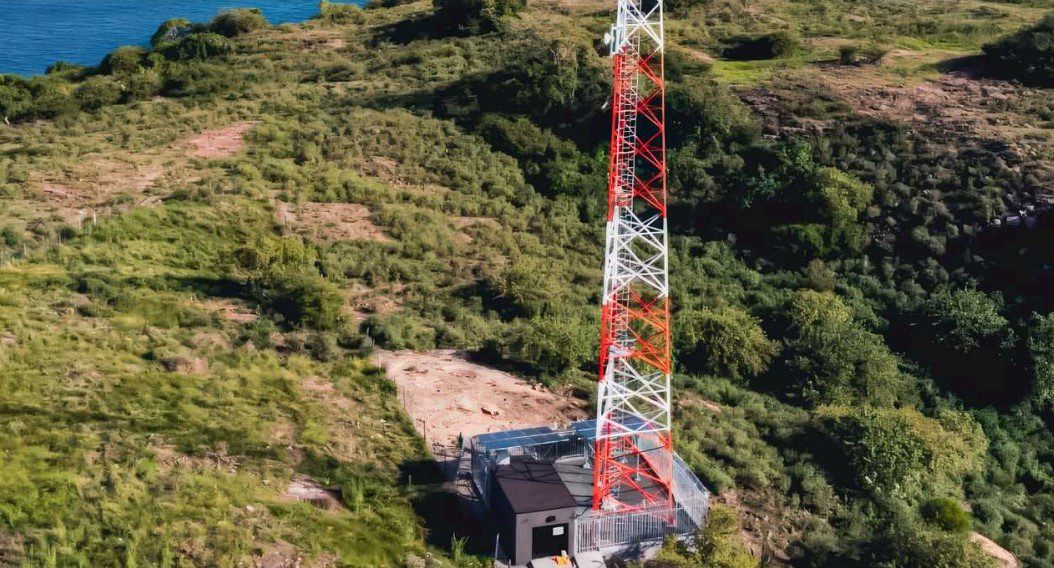
For instance, the record for grid collapse between 2015 and early 2026 shows that Nigeria experienced over 110 power grid failures and significant lapses, repeatedly driving the nation into darkness. Another recent study shows that epileptic power supply costs the Nigerian economy an estimated N38 trillion ($29 billion) annually.
Airtel Nigeria noted that the initiative is an attempt to meet the rising network and accelerating demand for data and mobile services. The innovative way is also to reduce environmental impact and offer new infrastructure sites that bring high-speed mobile and broadband connectivity.
“Our lean sites provide mobile coverage and network capacity using simplified systems, eliminating the need for diesel generators and larger ground-based towers which typically have higher operating costs and emissions,” the operator said in the report.
Rising diesel cost: Airtel, MTN sourcing alternatives
Nigerian telecom operators are already exploring alternatives to both the high diesel cost and power supply. This includes running base stations on gas and solar, shared infrastructure and colocation.
MTN Nigeria, in its sustainability report for 2025, revealed how its use of gas-powered Independent Power Producer (IPP) electricity and inverter solutions yielded a joint cost saving of N8.5 billion in 2025. This shows the operator’s plan to pivot more of its energy mix towards gas and reduce dependence on high-cost diesel.
For an operator serving over 96 million Nigerians, it costs MTN over N60 billion yearly to run its 2,087 base stations on diesel. These alternatives, while still low in quantity, prevent issues of temporary or sudden shutdown of base stations, which not only causes network disruptions to subscribers’ voice and data activities, but results in financial loss.
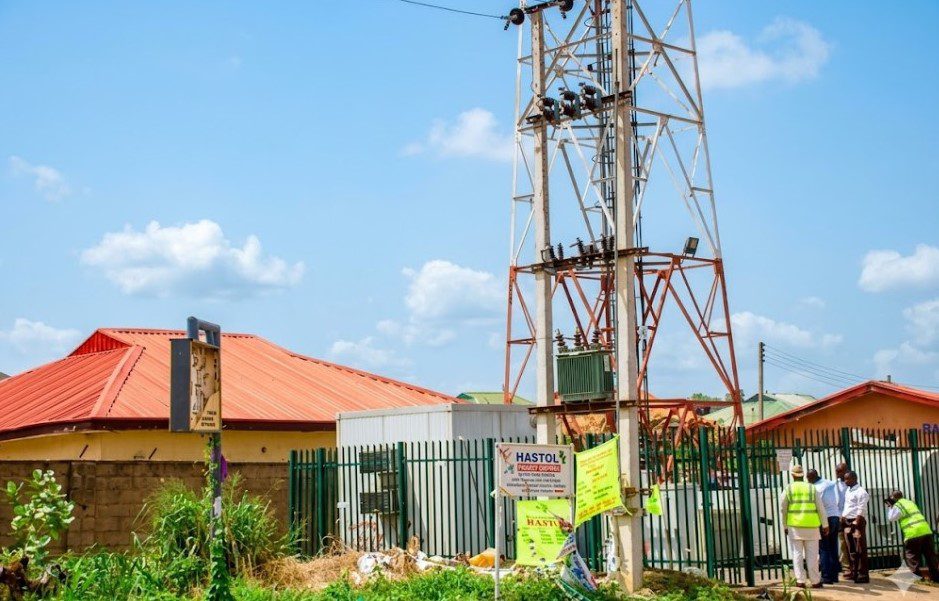
In fact, in a recent industry engagement, the Special Adviser (Strategy) to the Executive Vice Chairman (EVC) of the Nigerian Communications Commission (NCC), Yusuf Sheriff, revealed that Nigerian telcos use over 40 million litres of diesel to power towers every month. This amounts to over ₦70 billion every month.
Sheriff noted that finding a solution to the power supply problem is central to the telecom operators achieving the set of targets expected to be rolled out in the ongoing policy review.
“Nigeria needs to address this issue to close the connectivity gap, and the NCC must prioritise incentives to reduce these constraints in the ongoing policy review,” he said at the industry conversation.
For operators who are profitability-driven, rising operational costs can only mean less profit and reduced capital expenditure.
Also Read: MTN and Airtel made nearly N100 billion from voice and data lending in Q1 2026.
How Airtel Nigeria performed in 2025/26
Between the period under review, Airtel Nigeria maintained its leading position as the company’s leading single market with $1.6 billion in revenue, representing a 25% share. Operating profit for the period was $542 million, a 78.5% increase in reported currency.
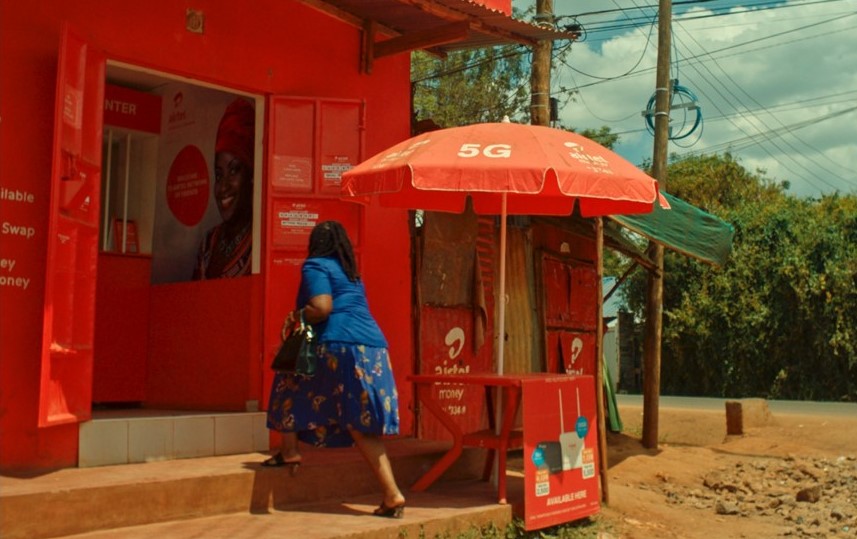
The bulk of revenue comes from data at $820 million (51%), showing massive online penetration. Data usage per customer increased by 30.8% to 11 GB per month, with smartphone penetration reaching 54.9%.
The total customer base as of March 2026 stood at 58.3 million, making the operator second to MTN in terms of subscribers in Nigeria. To cater for the rising customer base and data usage, the operator said 1,050 new sites and 657 5G sites were deployed during the period.
