



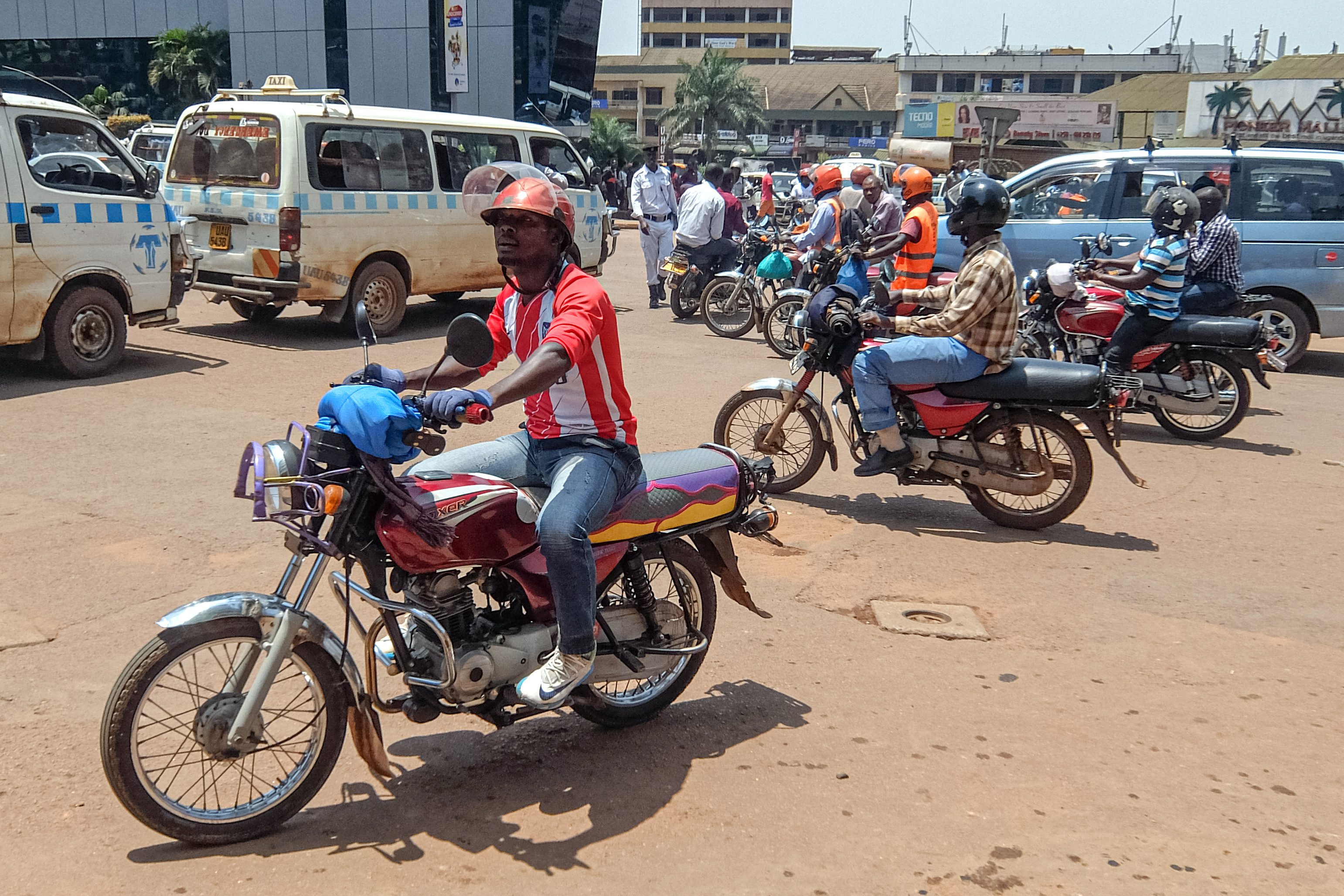
For Nairobi’s informal motorbike ‘boda boda’ economy, the arithmetic of survival is brutal. Riders earn approximately $10 per day, with no union, no contract, and no formal recourse when operators shift policy. Battery prices move without warning, swap stations close, terms change, and then income evaporates.
A pilot programme launched by Enzi Mobility and Kula, a governance infrastructure company, gave 50 riders something they had never possessed before: a structured way to vote on operational changes that affect their livelihoods. They voted to extend swap station hours. They created a shared accident fund. Then they locked a portion of their earnings into a long-term savings pool.
When Enzi tested the system by proposing a sharp increase in battery price, the riders voted it down.
What emerged over the past year was not merely a technology demonstration but evidence that informal workers can participate meaningfully in decision-making when the mechanisms are designed with their constraints in mind.
Nairobi’s boda boda riders have survived decades of structural powerlessness through informal networks and adaptive ingenuity. The Enzi pilot suggests that formalised governance, rooted in blockchain and built for workers who have never encountered such systems, can bridge the gap between individual resilience and collective power.
Chris Turner, Kula’s co-founder, spent over two decades working with multilateral development agencies across Africa, Asia, and the Middle East before turning to infrastructure design for informal economies. His approach to governance reflects that grounding: the system is not designed to replace rider judgement but to amplify it by making decisions binding, verifiable, and resistant to reversal by outside actors.

The voting mechanism uses quadratic voting, a system in which voters are assigned a pool of votes they can distribute across proposals. A rider wanting to spend all votes on one decision must accept fewer votes on others. The design prevents wealthy or influential riders from dominating the outcome through concentrated voting power.
Once a vote passes, it enters a two- to three-day time lock, during which Enzi’s operations team can review the decision for feasibility concerns. If disputes arise, a tripartite court system comprising boda boda riders, Enzi staff, and Kula representatives reviews the evidence and issues binding determinations.
“The system had to be technically binding,” Turner explained during an interview with Technext about the pilot. “Not an honour system, not something that depends on Enzi’s goodwill. Binding means a [boda boda] rider knows their vote will execute automatically if it passes the review window. That’s what makes governance real as opposed to theatre.”
The technical architecture is deliberately invisible to riders. The Enzi-branded app feels like any standard mobile interface, with voting options and outcomes presented clearly. Riders do not need to understand blockchain to use it. They experience governance as a straightforward process: a proposal arrives, they vote, and the result becomes operational reality if it is passed.
The 98% on-time metric for school fees and rent payments, gathered from preliminary Enzi data, suggests behavioural change. Boda boda riders are saving more consistently and avoiding predatory lending that once characterised informal transport work when income remained volatile. The savings pool has experienced zero withdrawals since its creation, despite participants having access to emergency funds. That persistence challenges conventional assumptions about how informal workers allocate resources when afforded genuine agency.
Musyoki Muindi, Enzi’s chief operating officer, acknowledged the shift in his own operations team’s relationship to decision-making.
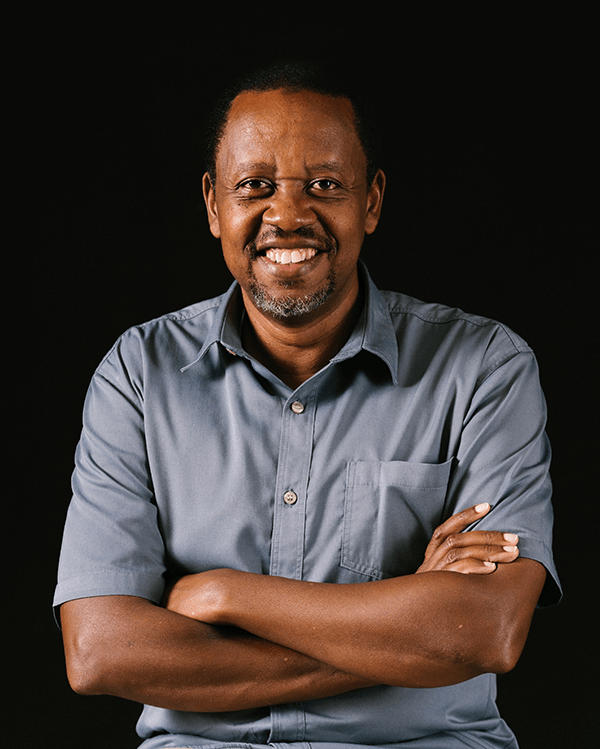
“What this governance pilot showed us, even in its early stage, is that riders don’t need to be prompted to think seriously about the future of this business, they already are,” Muindi said.
“The suggestions that came through, which included extended swap station hours and building a community insurance fund, weren’t ideas we put in front of them. They came from the riders themselves, unprompted, and passed with near-unanimous support. That tells you something important about what happens when people feel they have a genuine stake in the decisions that affect their livelihoods.”
The boda boda governance system operates within a context that extends beyond Enzi.
Kula holds equity in Enzi Mobility and provides the governance infrastructure for all operations. The company is in early discussions with Kenya’s Capital Markets Authority as the country develops its Virtual Asset Service Provider legislation, specifically around taxation and tokenised products. The accident fund and savings pool are tokenised on blockchain, allowing for transparent, auditable record-keeping. Kula is also engaging with the Nairobi International Finance Centre on tax obligations and regulatory positioning.
Regulatory clarity remains incomplete. Kula has secured approval for similar governance systems in at least one other African country, but Kenya licensing presents distinct challenges.
Turner acknowledged that licensing in Kenya could cost several million dollars, a figure Kula is uncertain is wise to pursue immediately. The regulatory pathway for tokenised savings mechanisms serving informal workers remains unsettled across much of Africa, even as individual countries move toward comprehensive fintech frameworks.
The pilot has revealed no precedent for the structural relationship it creates. Traditional fintech narratives frame informal workers as beneficiaries of external solutions designed by founders. The Enzi model inverts this: riders are architects, not consumers. They identify problems, propose solutions, and ratify decisions through binding votes. The distinction matters operationally and ethically.

Turner positioned the work within his longer experience with development infrastructure. “People want to feed their families, educate their children, and participate in decisions that affect them,” he said. “The technology should enable that participation, not substitute for it. What we learned building this system is that once the mechanism exists, informal workers don’t wait for permission to use it. They have ideas. They have interests. They want a voice.”
The sustainability question remains open. 50 boda boda riders represent a meaningful pilot but not a commercial scale. The unit economics of governance infrastructure at that size may require subsidy or strategic patience before reaching profitability. What the model looks like at 500 riders, or 5,000, has not yet been tested. Whether representative governance structures emerge as scale increases, or whether direct voting holds, remains uncertain.
What is certain is that boda boda riders have voted, implemented decisions, saved consistently, and avoided the predatory financial instruments that characterise informal transport work. Whether that constitutes genuine economic empowerment or early-stage proof of concept depends partly on what happens next: whether Enzi deepens its commitment to governance as operations shift, whether other informal workforces adopt similar mechanisms, and whether regulatory frameworks in Kenya and beyond accommodate governance infrastructure designed for workers with no formal labour protections.
For now, Nairobi’s motorbike riders have something they did not possess before: documentation that they can think collectively about their futures and make it stick.
ICYMI: What President Ruto’s electric boda boda plan means for Kenya’s e-mobility roadmap
