


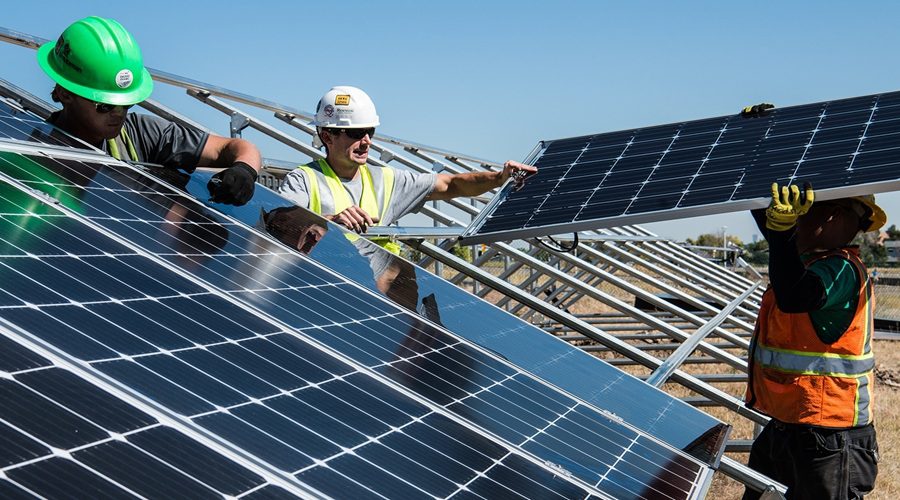
WeLight, Africa’s biggest solar mini-grid operator, has raised $31 million (€27 million) in fresh funding after the International Finance Corporation (IFC), the World Bank’s private-sector lending arm, acquired a stake in the company.
The investment, which also includes contributions from WeLight’s founding shareholders, will fund the company’s expansion into Nigeria and the Democratic Republic of Congo, two countries with massive populations still lacking reliable access to electricity.
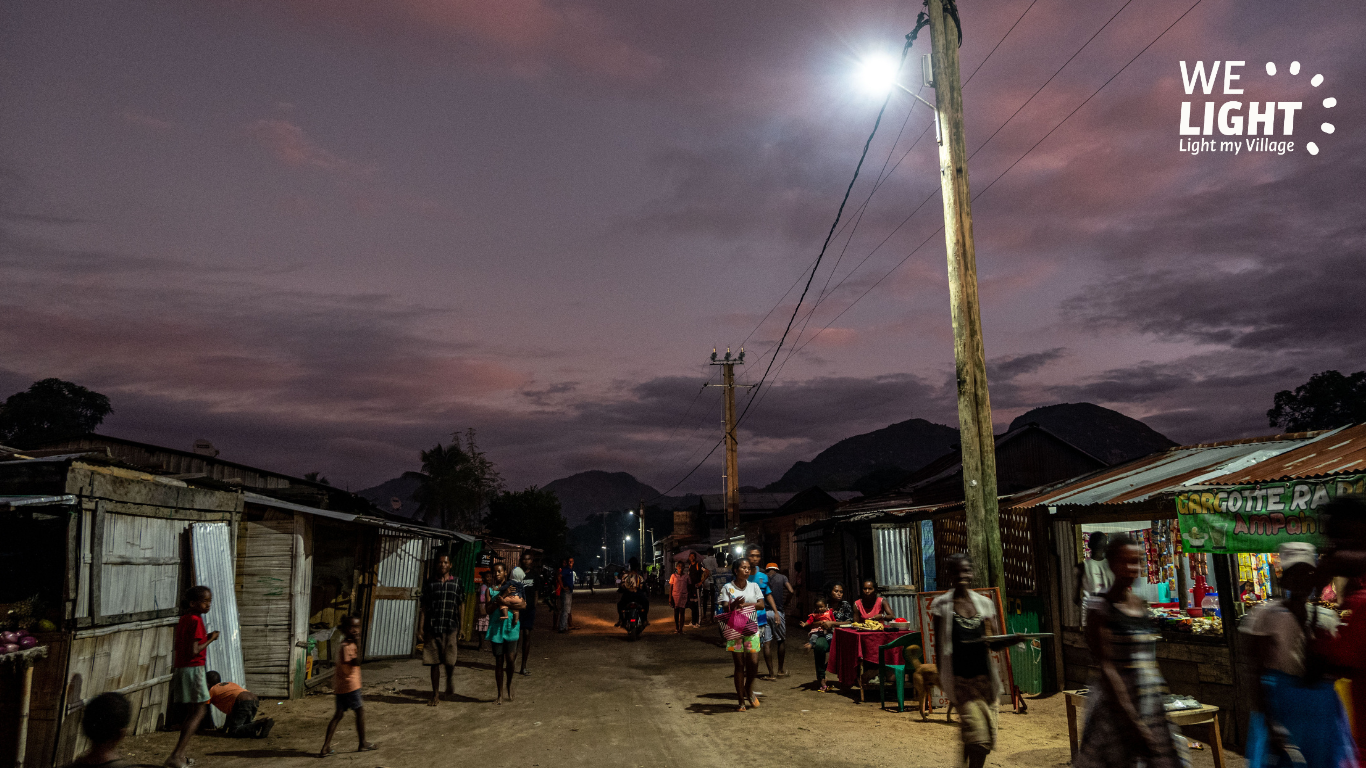
WeLight currently operates in Madagascar and Mali, where it runs nearly 190 solar mini-grids serving more than 800,000 people. The company was established in 2018 by Axian Group, Sagemcom, and Norfund specifically to bring electricity to rural communities that national power grids do not reach.
Why solar mini-grids matter for places like Nigeria
A solar mini-grid is essentially a small, self-contained power system of solar panels, battery storage, and a local distribution network, built to serve a specific community or cluster of communities without needing to connect to a national grid.
For rural and remote areas, that distinction matters enormously. Building transmission lines to reach scattered, low-density communities is expensive and slow. A mini-grid can be deployed faster and at a fraction of the cost, delivering power directly where people live.

This is exactly the model WeLight has proven out across Madagascar and Mali, and it is the model the company is now bringing to Nigeria and the DRC: two countries where tens of millions of people remain off-grid despite having some of the highest electricity demand on the continent.
Read also: Nigerian solar users can now sell excess supply to electricity companies: Here is how
The IFC’s decision to take a stake in WeLight signals growing institutional confidence in decentralised renewable energy as a credible path to closing Africa’s electricity access gap, particularly in markets where national grid expansion has consistently lagged behind population growth and demand.

For Nigeria specifically, where grid instability and limited rural electrification remain persistent challenges, WeLight’s entry adds another serious player to a market that increasingly looks to distributed solar solutions, rather than waiting on the national grid, to bring power to underserved communities.
