




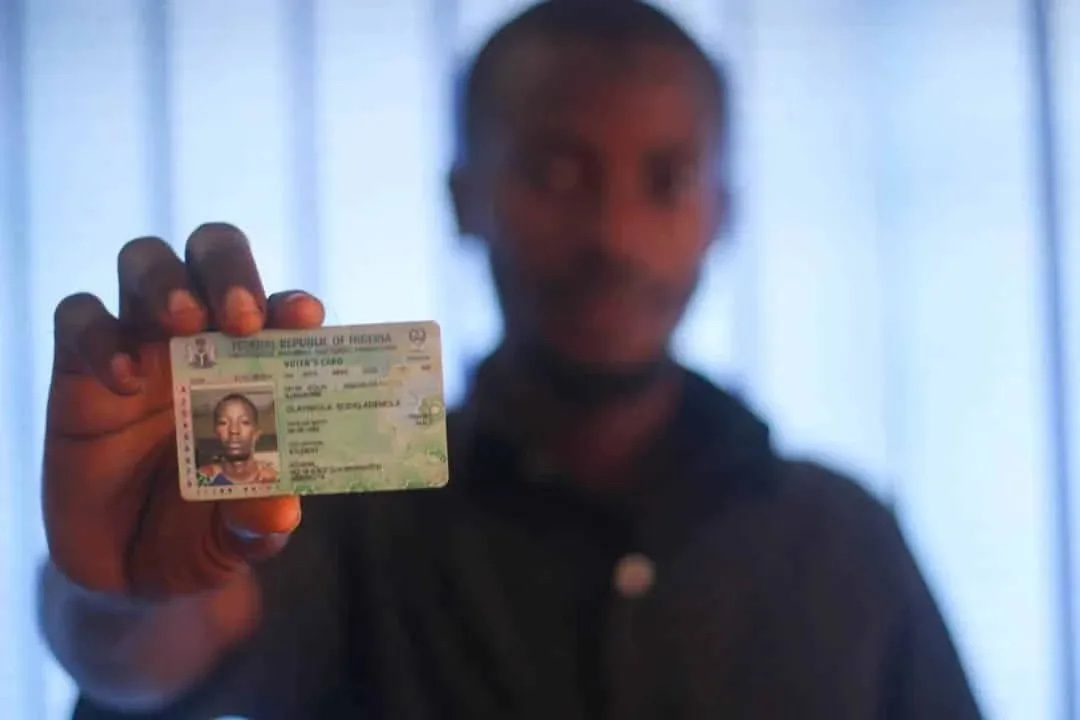
The Independent National Electoral Commission (INEC) has announced a new system that will allow voters who have lost, damaged, or defaced their Permanent Voter Cards to download replacement copies. INEC describes this move as a significant step toward more flexible voter access ahead of the 2027 general elections.
INEC Chairman Professor Joash Amupitan disclosed the development at a public engagement session, explaining that the downloadable PVC system is now provided for under the new Electoral Act 2026. However, he was careful to clarify that the service is not available to all voters automatically and comes with specific conditions.
To access a downloadable PVC, a voter must have previously collected their original card. The card must have been lost, defaced, or become unreadable, and the voter must formally lodge a complaint with INEC. That complaint must be submitted at least 90 days before the election in question. Once the complaint is registered, the voter will be able to print a downloadable version of their card for use at the polls.

“It’s not automatic. You must complain,” Amupitan said, adding that voters who have never collected their PVC in the first place will not be eligible for the downloadable version under the current framework.
Also read: Why Nigeria’s elections depend on imported technology and what’s making it more expensive
The electoral body said it has completed work on the technology required to make the downloadable PVC functional and plans to pilot the system during the Osun State governorship election scheduled for August 15, 2026, giving the commission a live test run before the much larger 2027 general election cycle begins.
A new feature, but deeper challenges remain for INEC
The downloadable PVC announcement comes as INEC navigates significant institutional pressures that could affect its readiness for 2027. The commission has publicly acknowledged that it is yet to receive budgetary allocations for the 2027 general elections, even as it works to replace Bimodal Voter Accreditation System (BVAS) devices that were damaged, lost, or never recovered from previous election cycles.
INEC’s national commissioner in charge of voter education and publicity, Mohammed Haruna, revealed that the commission’s director of ICT had recently returned from China specifically to discuss procurement of replacement BVAS devices, a detail that exposes a structural vulnerability at the heart of Nigeria’s election management.
A significant portion of the hardware that powers Nigeria’s voting process is sourced from abroad, meaning that damaged or missing devices require international procurement cycles that take time and foreign exchange.

INEC has proposed a total budget of N873.78 billion for the 2027 elections. The combination of delayed funding, hardware replacement costs, and dependence on imported technology raises genuine questions about preparedness timelines.
The downloadable PVC initiative is a meaningful step toward reducing barriers for voters already registered in the system. Whether it can be deployed smoothly at scale, starting with Osun in August, will be an early test of both the technology and INEC’s readiness for the elections that follow.
