


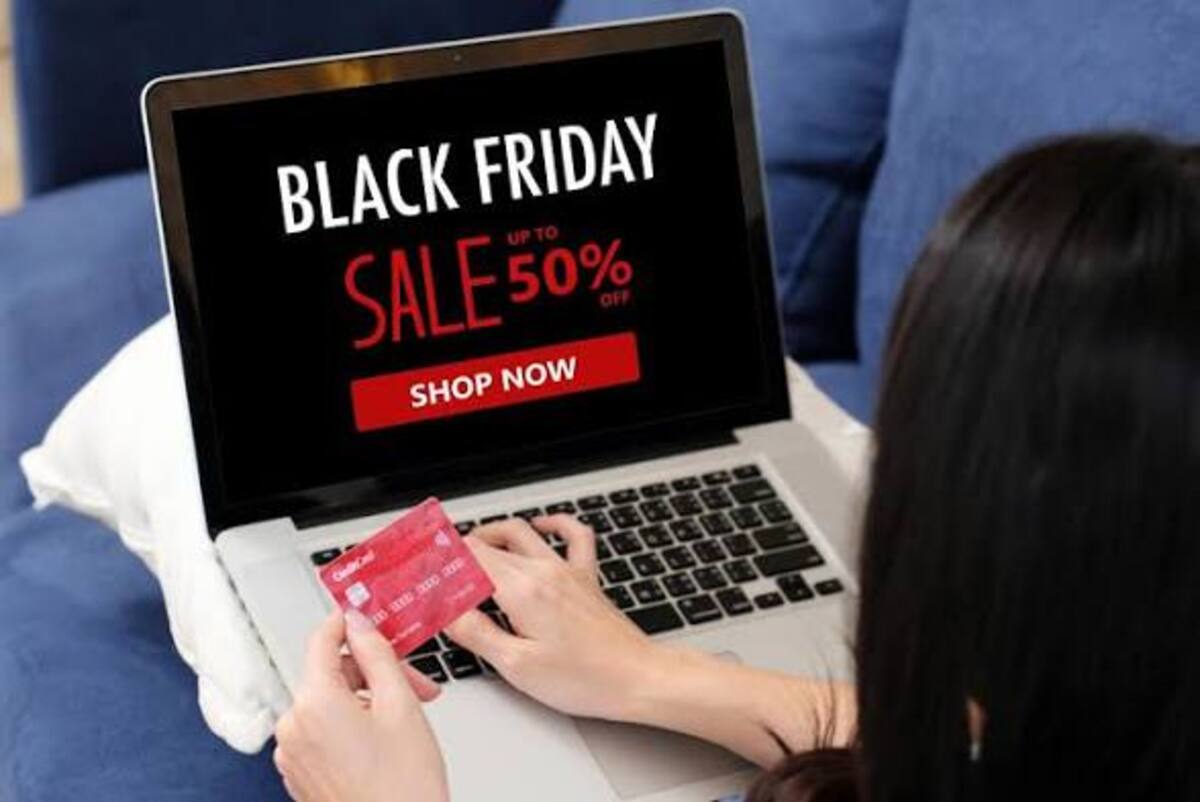
Black Friday runs on trust. Shoppers must believe the discount is real, and that the shop offering it exists. This year, evidence is mounting that both beliefs deserve a second look.
The United States Secret Service has urged online shoppers to verify a website before entering payment details, as Black Friday on November 27 and Cyber Monday on November 30 approach. “A few seconds of caution can protect you,” the agency noted in an X post. In Nigeria, where deals have run all month, the final Friday is the last chance to apply that caution.
Is the Black Friday discount real?
A November 16 report by the Groundwork Collaborative examined 351 items from Amazon’s Black Friday and Cyber Monday deals pages in 2024 and 2025. It found that 29.1% were no cheaper than the lowest price recorded in the preceding 30 days, and nearly one in 10 were costlier.
Amazon rejected the findings as “deeply flawed and false”. It argued that the think tank cherry-picked about 350 items from more than 10 million deals, and that 98% of its deals met the 30-day-low test.
Also read: Is Black Friday Dead?
The dispute matters beyond Amazon. In the European Union, a seller advertising a discount must show its lowest price from the previous 30 days, while the United States has no comparable federal rule, according to Digital Trends. Nigerian shoppers can protect themselves by recording a product’s price a few weeks before the sale and comparing it across Jumia, Konga and other sellers.
Is the store real?
Fake stores thrive on the same excitement. In 2023, the Federal Competition and Consumer Protection Commission (FCCPC) warned that fake online stores could rise by 135% around Black Friday. The National Information Technology Development Agency (NITDA) has also cautioned that scammers send phishing emails and texts advertising Black Friday deals to push people towards malicious links.
Nigeria’s major sales are long-running. Jumia’s “No Manage Am” campaign runs from October 30 to November 30, while Konga started its sales in November. Scammers copy those campaigns, which makes a familiar brand name an unreliable guide.
How to check a website before you pay
Type the address yourself. Open the retailer’s website or official app directly instead of tapping links in SMS, WhatsApp, Instagram or email. Watch for misspelt brand names, extra words and unusual endings.
Read also: Chowdeck completes record 100,000 deliveries in a day during Black Friday surge
Treat HTTPS as a start, not a verdict. The secure-URL tip from the Secret Service is a basic check. The padlock shows only that the connection is encrypted, and fake shops can have it too.
Look for proof that the business exists. NITDA advises checking reviews and contact details. A real seller should offer a working phone number, a physical address and clear return terms.
Distrust impossible prices. An ultra-low price on a high-demand phone or generator is bait. A countdown timer pushing you to pay immediately is another warning sign.
Where and how to enter your card details
Enter card details only on a checkout page you reached yourself, on a site you have verified. For sellers you do not know, choose pay on delivery where available.
Where you must pay online, consider a virtual card funded with only the amount you need. If the details are stolen, the thief finds almost nothing. Never share an OTP or PIN with anyone, including people claiming to be delivery agents or bank staff.
NITDA also advises avoiding public Wi-Fi for transactions, enabling two-factor authentication and monitoring accounts for unauthorised transactions. Switch on bank transaction alerts if you have not.
If you have been scammed
Contact your bank immediately to block the card and dispute the charge. Then report the site to NITDA’s Cybersecurity Emergency Readiness Response Team at cerrt@nitda.gov.ng. Screenshots of the website, the advert and any chat with the seller will help.
