


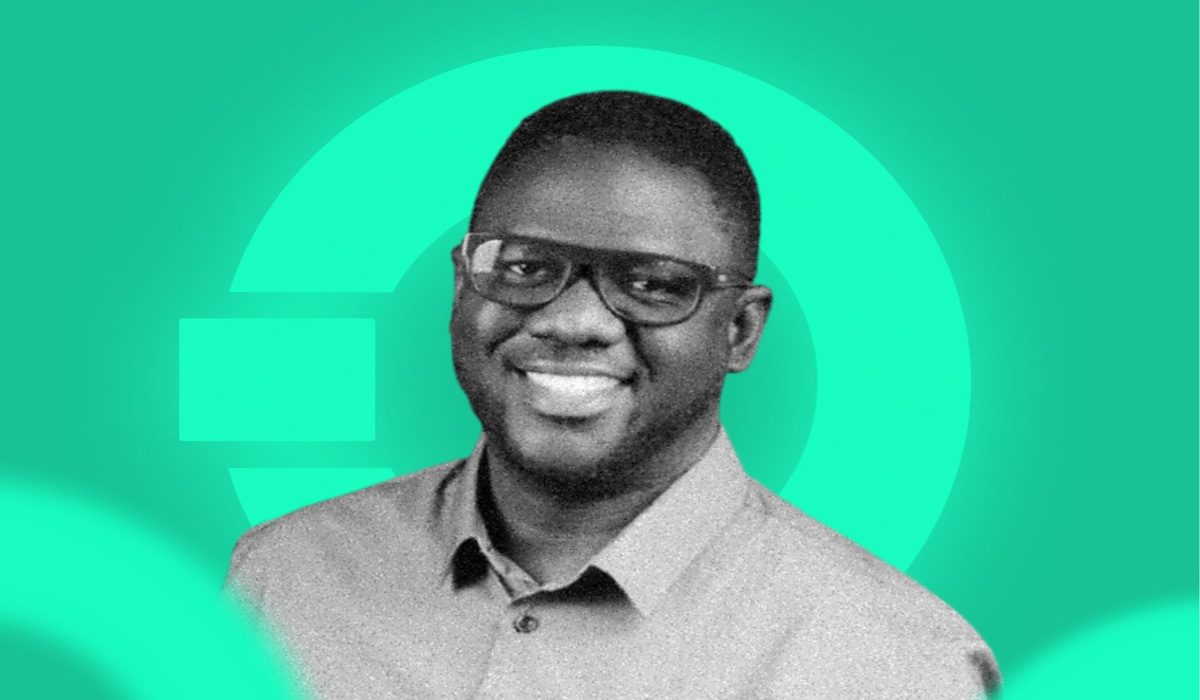
When a rumour that OPay would shut down began circulating online in September, the fintech initially thought a simple denial would settle the matter. Instead, customers started moving their money, merchants grew anxious, and the company realised it had a bigger problem on its hands.
For Dotun Adekunle, OPay’s chief technology officer, the episode was a reminder of how quickly confidence can shake a financial business, even one that has spent years building its presence in Nigeria.
Speaking at Moonshot by TechCabal on Wednesday, Adekunle reflected on the challenges that have shaped OPay since its early days in 2018, from Nigeria’s cash crunch to misinformation that threatened to undermine customer trust.
His speech came as OPay prepares for a proposed US initial public offering (IPO) that could value the company at up to $4.42 billion. The fintech is seeking to raise $366 million through the offering, according to Reuters. It plans to list on the New York Stock Exchange under the ticker OPAY, subject to the necessary approvals.

The proposed listing marks a significant milestone for a business that began with a broad instruction to build a payments company for Africa. But Adekunle’s account of OPay’s journey suggests that its growth has depended on more than technology. It has also required the company to adapt to Nigeria’s unusual market conditions, build around how people actually use money, and keep operating through periods of uncertainty.
“Stubbornness is a business model in Africa,” he told attendees. “If you are going to survive in Nigeria, you have to be stubborn.”
From a Nairobi strategy session to Nigeria’s cash crunch
Adekunle traced OPay’s beginnings to January 2018, when its team held an early strategy session in Nairobi, Kenya. The brief from the company’s chairman was straightforward: build a payments business in Africa.
At the time, the team had not settled on exactly what that business would become. Years later, OPay has grown into a digital financial services platform offering transfers, payments, savings and loans, with operations extending beyond Nigeria.
Adekunle said he was the only person remaining from the team pictured at that early strategy session. He also recalled leaving OPay for a period before returning, describing his own journey as an example of the persistence required to build in the market.
One of the biggest tests came during Nigeria’s 2023 cash crunch, when a shortage of physical naira left people queuing at banks and automated teller machines to access their own money.
Digital payment platforms and agent networks became important alternatives for people who could not easily obtain cash. Adekunle said fintech and banking operators had to work together to keep financial services running during the disruption.
He also defended the role of agents, who help people withdraw and deposit money, make transfers, and access financial services in places where conventional banking infrastructure may be limited.
“Technology does not replace people,” he said. “Actually, technology has to ride on local reality.”
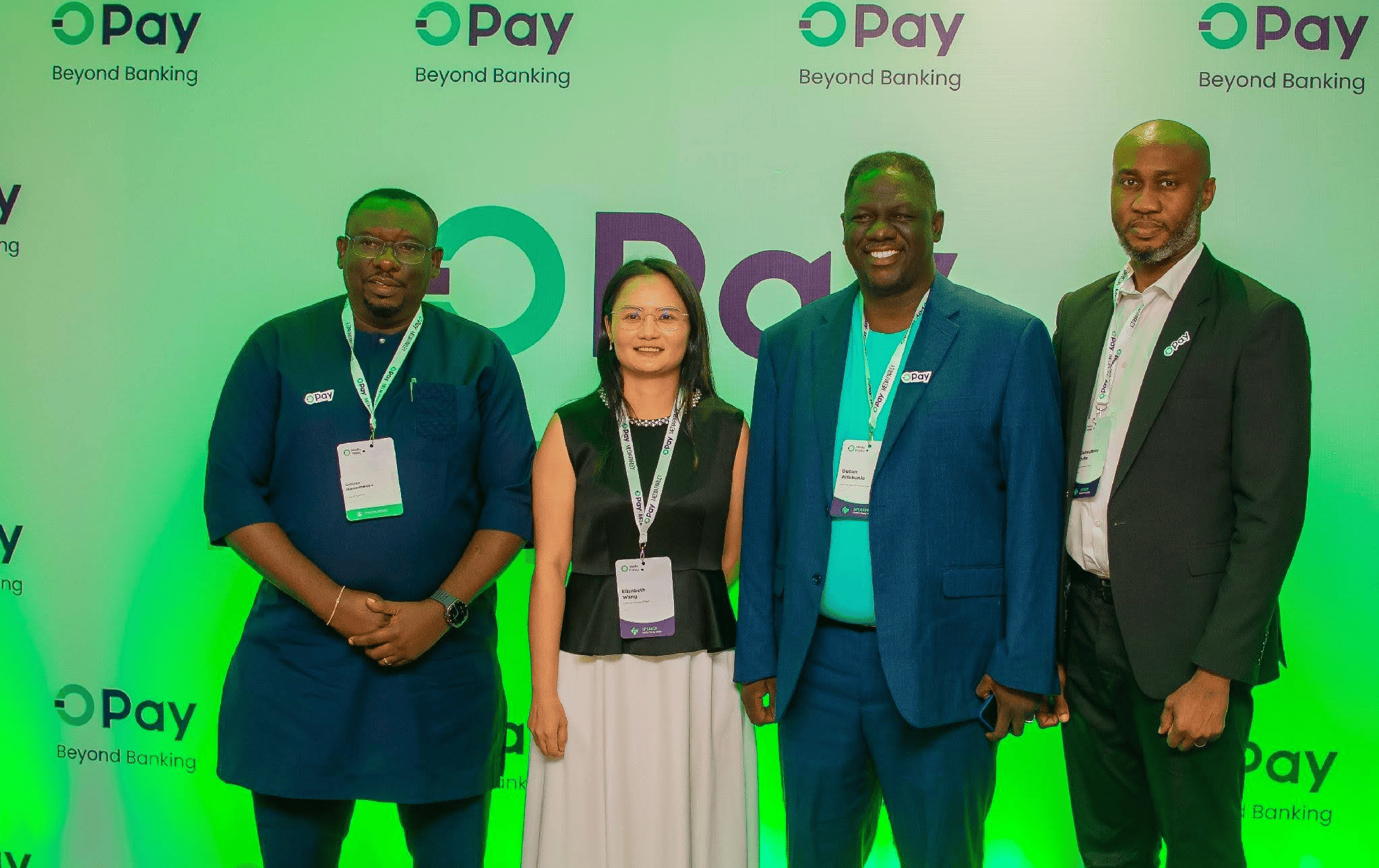
For OPay, that means designing services around the needs of different Nigerians, whether a trader in Kano, a farmer in Yobe or a nomadic community in Adamawa. A product that works in a more developed financial market may not work in the same way in Nigeria, where access to cash, connectivity and banking services can vary considerably.
Adekunle argued that businesses must prepare for difficult conditions rather than build only for normal days.
“We must not build for the average day. We must build and design for the very worst day,” he said.
Also read: OPay makes $90.9 million profit in six months as it files for a US IPO
The distinction matters for a company whose customers rely on it to move money and pay for everyday needs. When a service becomes part of how people run their businesses or manage their finances, an outage or loss of confidence can have consequences beyond a failed transaction.
The OPay IPO comes after another test of customer trust
The September shutdown rumour offered a more recent example of that vulnerability. Adekunle said the company initially expected to dismiss the claim and move on. But as money began moving and customers worried about whether their funds were safe, OPay had to respond more forcefully.
The company used September 2 to reassure customers that it was still operating. Adekunle said the episode also showed why fintech companies must work together when misinformation threatens confidence in the wider industry.
“One person, one institution cannot be resilient alone,” he said. “We can compete on products, but we must cooperate on resilience.”
His comments come as OPay prepares to make its case to public-market investors. In its preliminary US IPO filing, the company proposed offering 16 million American depositary shares at $19 to $21 each, with a potential valuation of up to $4.42 billion. The filing also outlines plans to invest proceeds in technology, expand its distribution network, develop products and pursue acquisitions.
The listing would give investors a new way to buy into a fintech whose growth has been closely tied to Nigeria’s shift towards digital payments. But its valuation target is not a guarantee of what investors will ultimately pay, and the proposed offering remains subject to the IPO process.
For Adekunle, the broader lesson from OPay’s journey is that businesses should not treat Nigeria’s economic volatility, currency shocks, regulatory demands or sudden changes in public sentiment as reasons to avoid the market. They should build with those realities in mind.
“Fragile markets don’t break businesses. It’s fragile assumptions that do,” he said.

As OPay approaches the public markets, that belief will face a different kind of test. The company has spent years building services around the realities of Nigeria. Now it must convince investors that the business can continue to grow while maintaining the reliability and trust that customers expect.
Adekunle ended with a message that reflected both OPay’s history and its ambitions beyond the country: “If you can survive Nigeria, you can survive the world.”
See also: OPay: building trust through local investment and customer service
