


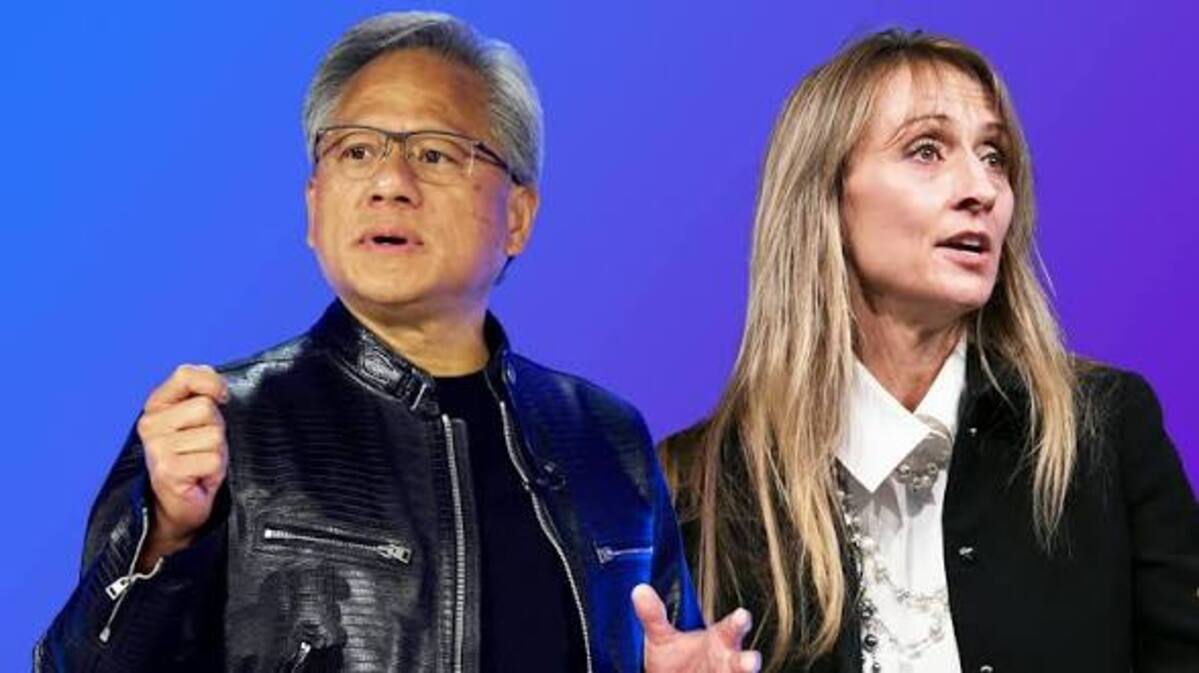
Nvidia chief executive officer Jensen Huang has resigned following a scandal involving two alleged extramarital affairs, one of which has raised concerns about possible Chinese espionage and national security risks.
The company’s board announced Huang’s resignation on Thursday, November 12, naming its executive vice-president and chief financial officer, Colette Kress, as interim chief executive.
Kress has served as Nvidia’s CFO since September 2013 and has been credited by the board with helping steer the company’s financial operations through a period of significant growth in the artificial intelligence and semiconductor industries.
In her first statement following the appointment, Kress said she was committed to building on the foundation Huang had established over the past 33 years, adding that the company would continue advancing its work in accelerated computing and AI.
Who is Colette Kress, Nvidia’s new interim CEO?
Before joining Nvidia, Kress spent nearly 25 years in finance roles at major technology companies, including Microsoft and Cisco. Her appointment places an experienced technology finance executive at the head of one of the world’s most influential AI companies.

She described Nvidia’s workforce as central to its strength and pledged to maintain the company’s progress in accelerated computing and artificial intelligence while serving its customers, partners, developers and shareholders.
Espionage allegations on Huang, trigger leadership crisis
Huang’s departure follows growing scrutiny over his reported relationship with a former executive of Singapore-based Megaspeed International, who has been suspected of having links to the Chinese government.
The allegations have raised questions about whether the relationship could have exposed sensitive company information or created national security risks for the United States. Huang had reportedly admitted to being unfaithful in an apology email to Nvidia employees, although he did not identify the woman involved.
The controversy deepened after the New York Times reported a second alleged affair involving an Nvidia employee who reportedly reported directly to Huang. The Associated Press said it could not independently confirm the reports.
Nvidia has maintained that it has no reason to believe national security or its proprietary information was compromised. However, the company said its internal investigation would examine all available information.
Read also: Nvidia plans to modernise laptops for the AI era with a new processor for PCs
Megaspeed International, whose former executive is at the centre of the espionage allegations, has also pledged to cooperate with US authorities. In a statement on Thursday, the Singapore-headquartered company said it took its obligations under US export control laws seriously and would work transparently with the government.
The leadership change has unsettled investors, with the company’s shares falling more than 10% in premarket trading on Thursday as markets reacted to Huang’s departure.
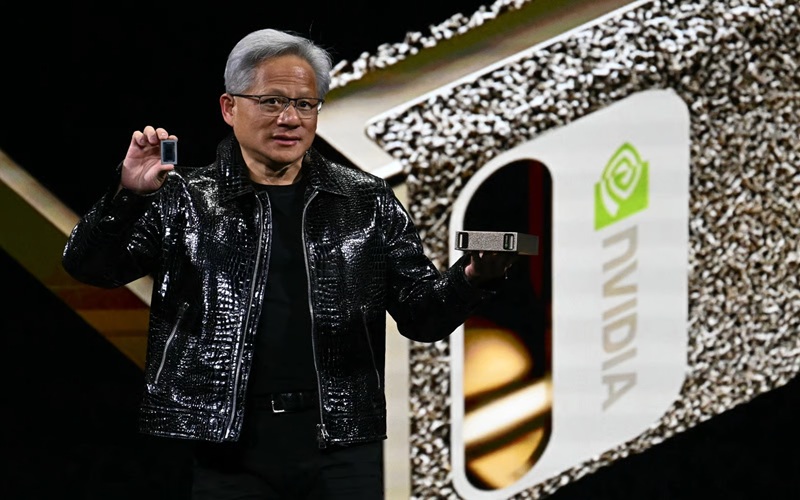
Huang co-founded Nvidia in 1993 and led the company for more than three decades, overseeing its transformation into a global technology giant whose graphics processing units power much of the world’s AI infrastructure.
