





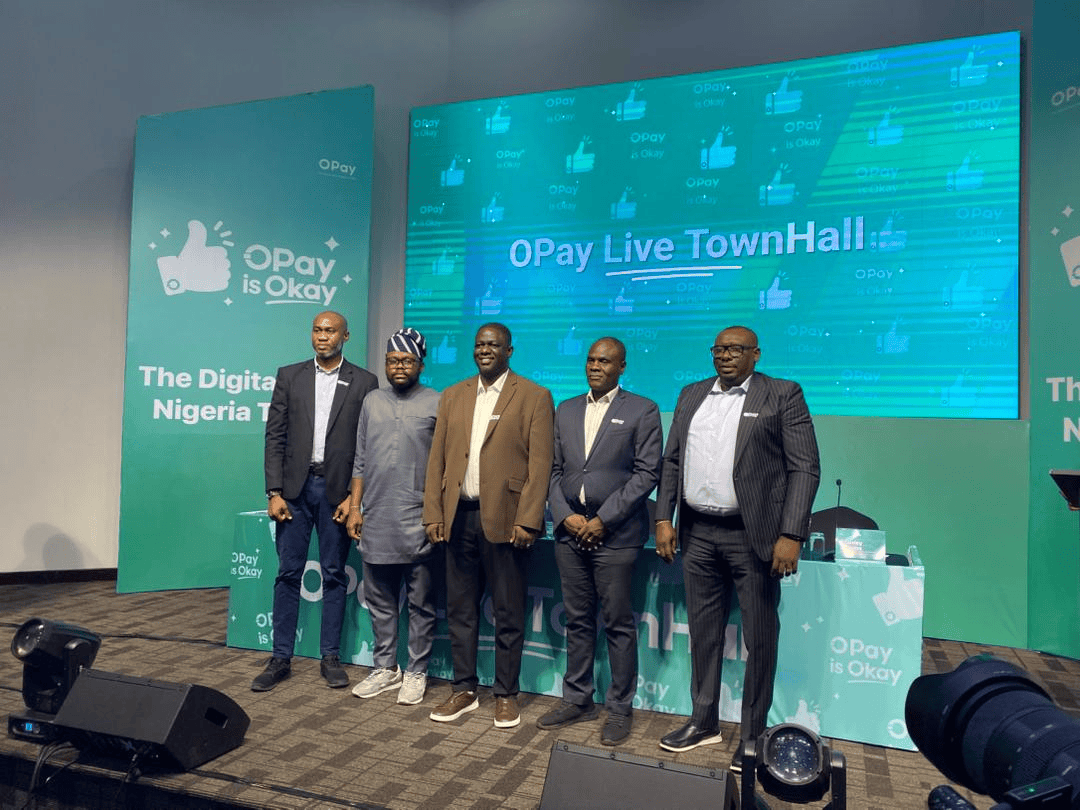
A certain kind of unease fills a room when a company like OPay has to publicly defend itself. That was the scene at Providence Hotel in Ikeja on Wednesday, where the company gathered its executives, industry leaders, and community partners for a live town hall meeting.
They came together to address a damaging rumour: that the fintech giant would shut down operations in Nigeria on September 1.
The day before, the company had already denied this claim. But Wednesday was different because they brought in a variety of voices to support that denial. It wasn’t just OPay’s own leadership; industry groups, representatives from the hospitality sector, and a founder dedicated to helping vulnerable children in Lagos, someone whose work isn’t connected to fintech, shared why false information like this can have serious consequences.
Dotun Adekunle, OPay’s Chief Operating and Technology Officer, opened the meeting by stating clearly that the messages circulating on social media, claiming that the company would take an indefinite break starting September 1, were false and did not come from OPay. He mentioned that the Central Bank of Nigeria had already called these claims fake news and assured everyone that the business continued operating smoothly, from customer transactions to payments for merchants, even while the rumours were spreading.
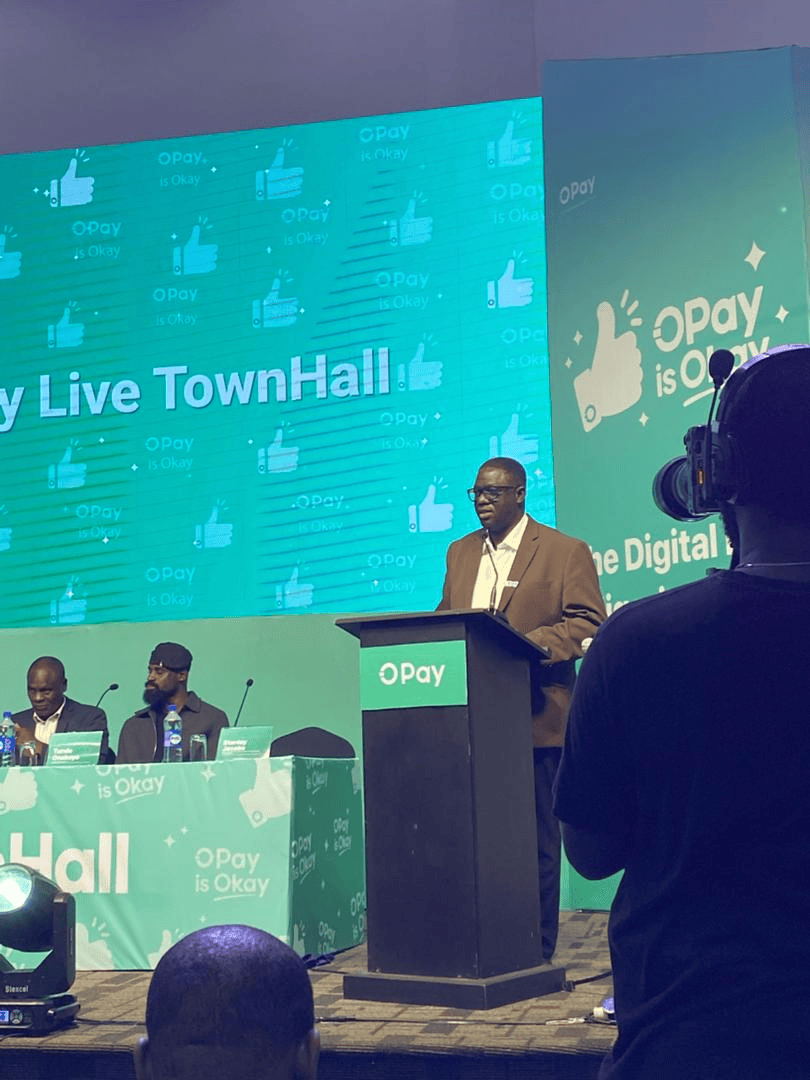
To emphasise his point, Adekunle shared some impressive numbers. OPay has opened more than 26 new physical customer support offices across Nigeria this year alone. The company now has over 7,000 employees working in technology, risk, and security. Its ecosystem includes millions of customers and more than one million merchants. “We are here to stay. We are here to play,” he told the audience.
Similar read: OPay threatens legal action against 3 social media users over false shutdown claims
That last line resonated deeply, more than just a catchy phrase. For a fintech company in a market where trust is everything, where a customer’s willingness to keep their money on a platform hinges on the belief that it will still be there tomorrow, rumours like this are not mere PR struggles. They’re threats to the very foundation of the business.
Gbenga Paseda, representing FintechNGR, highlighted this issue in his remarks. He pointed out that Nigeria often faces challenges with trust. Digital finance platforms have invested years in building the confidence needed for individuals and small businesses to trade online smoothly.
A single piece of misinformation aimed at a significant player like OPay can create panic among customers, increase stress on financial institutions, disrupt merchant activity, and shake investor confidence in the broader digital finance landscape, not just for OPay, but across the entire industry. When one trusted player is affected, everyone feels the impact.

The legal response from OPay and the line the company is drawing
OPay’s Chief Legal Counsel, Akinfolabi Moses Rokosu, clarified some important points that the company had previously hinted at in legal notices sent to a few social media users. OPay is officially working with the Department of State Services, the Nigeria Police Force, and other relevant authorities to track down the source of some misleading information. As a result, one person is already facing court action.
Rokosu emphasised that while freedom of expression is important, it does not cover illegal activities intended to harm OPay’s financial system. He made it clear that the company is not targeting critics or customers expressing their dissatisfaction; instead, they’re focusing on individuals spreading false information that could provoke panic among customers and lead to a rush to withdraw funds—a serious issue that could have real consequences.
He urged customers to always check facts about OPay through the company’s official channels, reiterating a vital piece of advice that has become common in Nigerian fintech: never share your PINs, passwords, or OTPs with anyone, even if they claim to represent the company.
Omotayo Sunday, who spoke on behalf of the hospitality and tourism sector, assured attendees that rumours about OPay shutting down were completely false. He reassured hotels, restaurants, and resorts relying on OPay for payments that the platform is fully operational and committed to its partners. This reassurance mattered a great deal, especially for businesses that depend on OPay for their daily cash flow; a disrupted payment system would mean disrupted revenue.
Also read: OPay: We are not shutting down, over 7,000 staff still working in Nigeria
Speakers at the meeting highlighted OPay’s strong commitment to compliance, explaining the thorough documentation required for business registration, like CAC documents and utility bills. This groundwork helps OPay track users and businesses legitimately.
They also pointed out how OPay is changing the game in Nigeria’s banking system by offering free transfers, attractive savings promotions, and loan products to assist customers facing financial challenges.
The part of the story most people missed: ₦1.2 billion in education investment
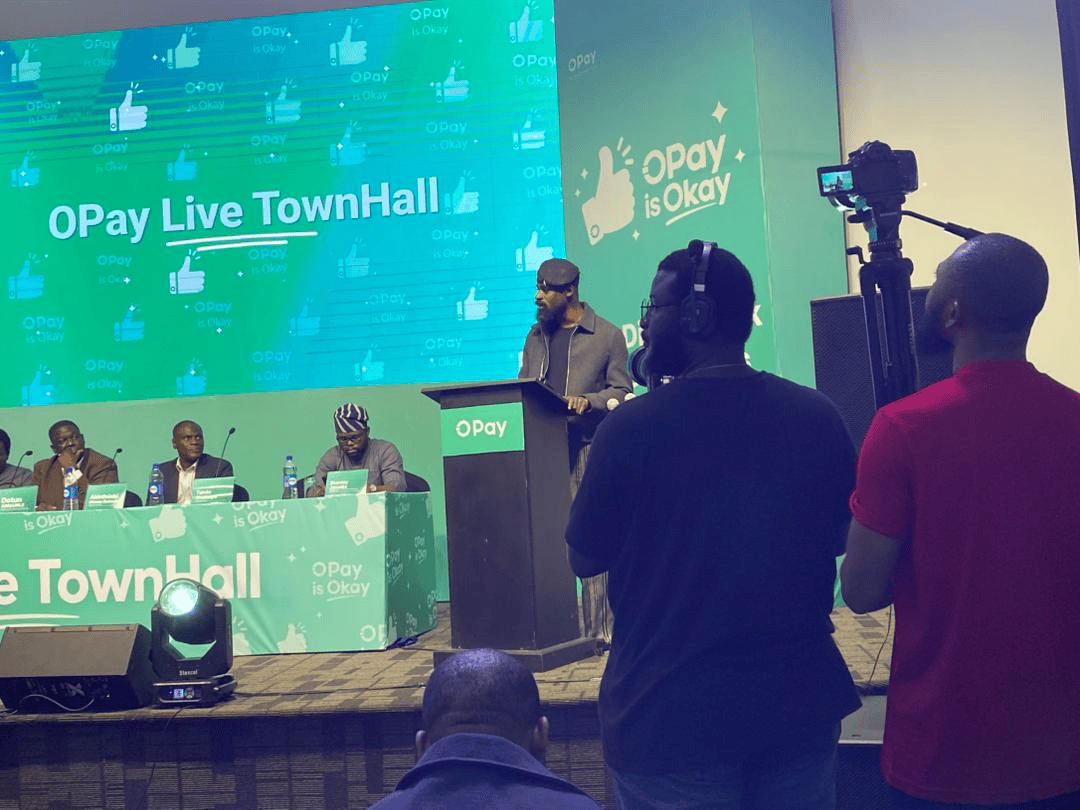
The most memorable moment from the town hall meeting had nothing to do with fintech. Tunde Onakoya, the founder of Chess in Slums Africa, took the stage to share some impressive news: OPay has invested around ₦1.2 billion over the past ten years into education programs. One of these initiatives is the Scholars Program, which aims to bridge the gap between talent and opportunity for underprivileged youth in areas like Makoko and Oshodi.
Onakoya also highlighted the OPay and Google National Innovation Challenge, a program that offers young Nigerians the chance to tackle real-world problems using technology. He mentioned that thousands of people, including many college students, have already applied to be part of this initiative.
That ₦1.2 billion isn’t the type of figure you’d typically see attached to a company during tough times. It’s a clear signal that OPay has been actively building its legacy for ten years, rather than just reacting to a shaky rumour that started on WhatsApp last week.
How well this message resonates with everyday Nigerians scrolling through claims of shutdowns is another story. However, it was evident during the meeting that OPay recognises that the challenge they face goes beyond legalities or operations. It’s really about winning back the trust and belief that have driven seven thousand employees and one million merchants this far in their journey.
