





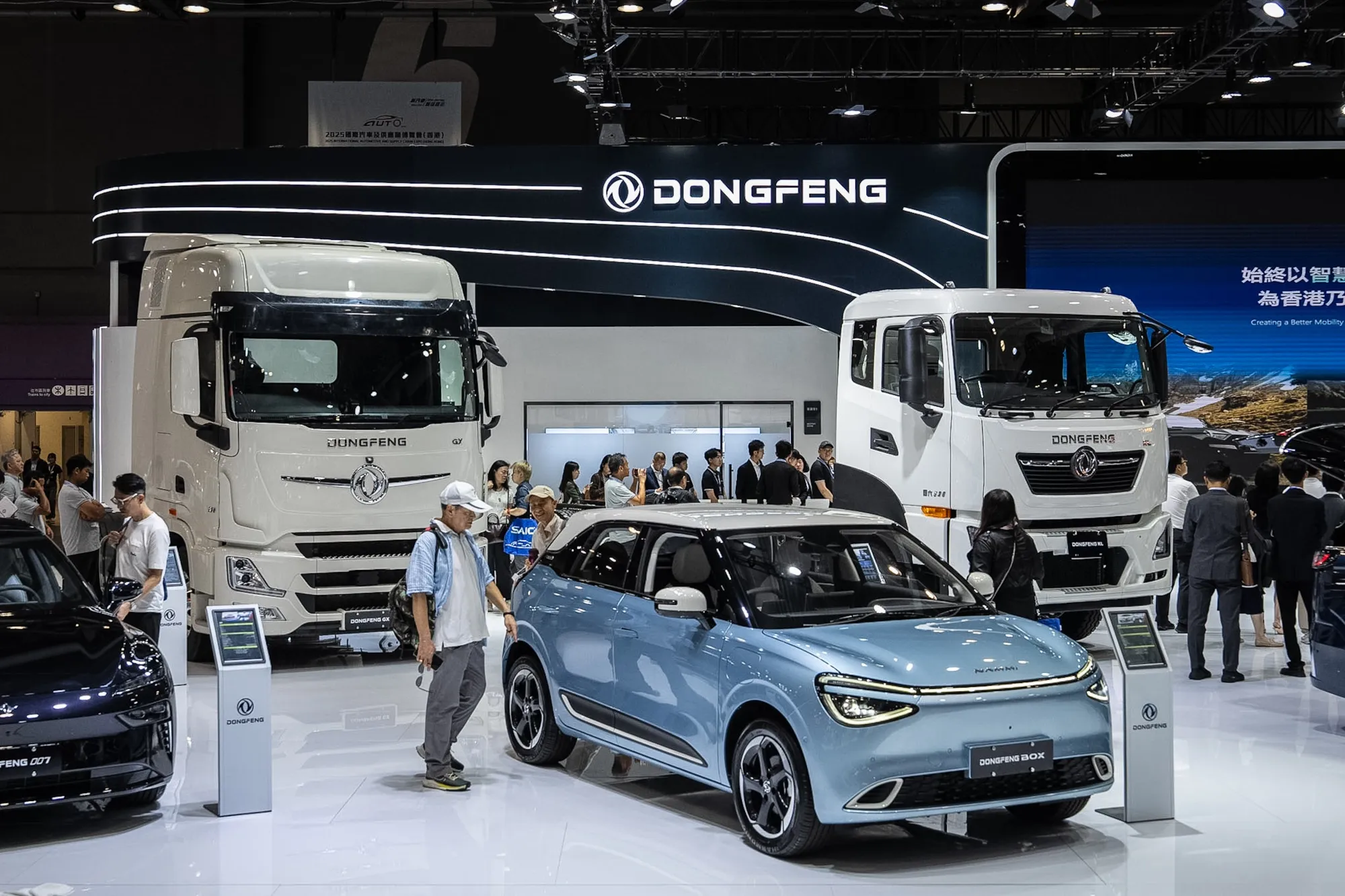
Ride-hailing platform Bolt has entered a strategic partnership with China’s Dongfeng Motor Group to deploy an electric vehicle (EV) fleet in South Africa, marking a major expansion of Bolt’s electric mobility ambitions on the continent.
The rollout will be managed by Yugo Rides, which will oversee fleet operations, coordination, and integration into Bolt’s ride-hailing network. The initiative is designed to accelerate the adoption of electric mobility in South Africa, currently Africa’s most developed and competitive ride-hailing market.
Bolt’s partnership reflects its focus on cost efficiency, fleet optimisation, and sustainability. This move follows a $180 million investment that helped Bolt secure over half of South Africa’s ride-hailing market.

Local operations management believes that because the platform is so popular in the country, the company believes its scale in South Africa allows it to test long-term cost-saving technologies such as EV fleets. Using EVs can help lower the need for fuel, which is a major expense for drivers in African markets.
The partnership aims to reduce operating costs for drivers burdened by fluctuating fuel prices and the high maintenance expenses of combustion engine vehicles. By introducing EVs into its network, the company aims to gradually reduce per-trip fuel costs while also expanding access to newer vehicle technology in a market where electric mobility is still emerging and largely limited by infrastructure gaps and high upfront costs.
The Yugo Rides fleet management system helps the model make electric vehicle (EV) adoption more scalable. It does this by removing the need for individual drivers to own their vehicles and instead centralising vehicle deployment through managed fleets.
Bolt shifts towards electrification amid global trends
This change shows a larger trend in the ride-hailing and transportation industries, where companies are looking into using electric vehicles. This is because they want to lower expenses and achieve environmental goals. In many countries, these companies are facing the challenge of making a profit while dealing with higher fuel prices and government rules about pollution.
In Africa, the shift to electric vehicles is happening mainly because of financial reasons, not government rules. Unstable fuel prices are a big problem for drivers, especially in countries like Nigeria and South Africa, where transportation costs change a lot.
Bolt’s recent action shows its commitment to staying the top ride-hailing service in South Africa, where it faces strong competition from international and local companies. By investing early in electric vehicle infrastructure, Bolt is preparing for a future where electric cars are more common, giving the company a lasting edge.

The Dongfeng Motor Group partnership enhances access to affordable EV supply chains, particularly from China, the leading global EV producer.
Read also: Bolt introduces 6% fare hike in Kenya to cushion drivers against fuel cost
If successful, the South African rollout could serve as a blueprint for expansion into other African markets where Bolt operates, including Nigeria, Kenya, and Ghana. However, challenges such as charging infrastructure, grid reliability, and high initial deployment costs may determine the pace of scale-up.
The deal highlights Africa’s mobility sector’s strategic shift towards electric, fleet-managed transport, reducing costs and improving efficiency.
