


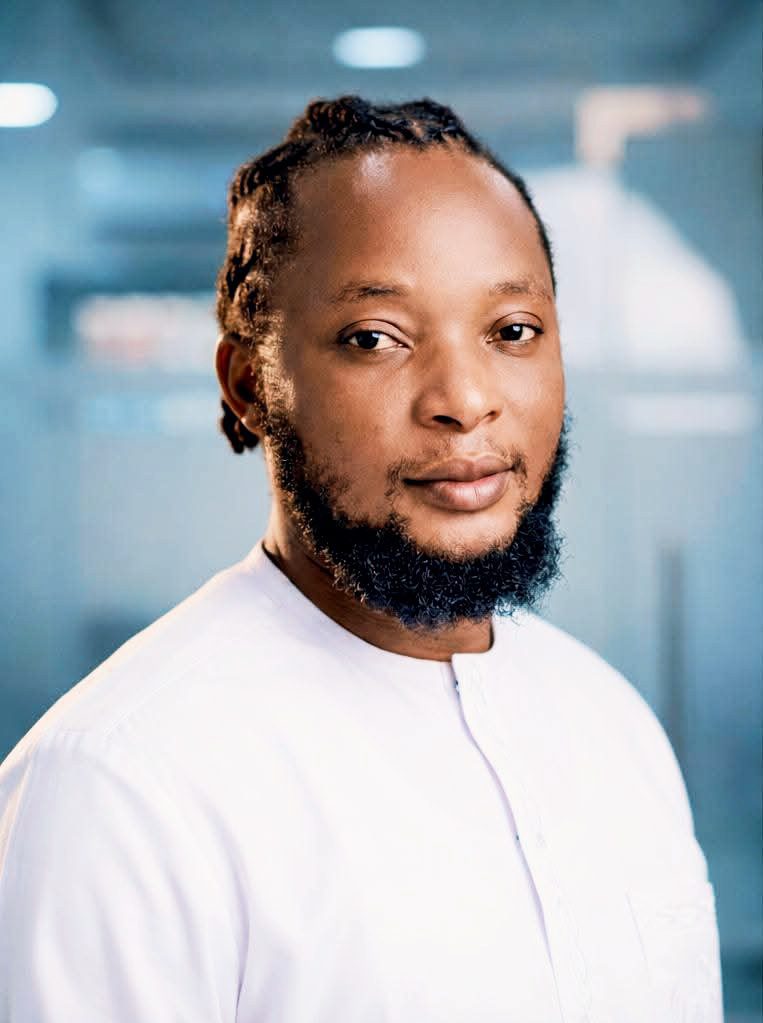
On a quiet afternoon in a boarding school in Saki, Oyo State, a teenage boy asked a simple question. He wanted help with French. His classmate looked at him and replied with something that stayed far longer than any lesson ever could:
“What do you want to use French for?”
It was not just a refusal. It was a dismissal. A signal that language, in that moment, was power, and access to it was not freely given.
For Owoade Apotierioluwa, that moment did more than sting. It defined a problem he would spend years trying to solve.
Saki sits close to the Benin Republic, where French is widely spoken. In theory, that should have made learning the language easier. In practice, it exposed a quiet divide.
Apotierioluwa did not have a stable French teacher through junior secondary school. By the time he reached his senior classes, he was struggling, scoring as low as 4 out of 20. It stood in sharp contrast to his performance in other subjects.
But the real challenge was not just academic.
In the boarding house, students from Francophone backgrounds would switch from English to French when he walked into the room. Conversations would continue, but without him. It created a strange kind of isolation, being physically present, yet excluded.
“It felt like we were strangers in our own home,” he recalls.
Determined to close the gap, he tried to learn from classmates. When that failed, he improvised. He began exchanging provisions for lessons, building informal partnerships just to keep up. Slowly, he improved, eventually finishing near the top of his class.

What could have been a setback became a decision point. He chose to study French at university.
At university, the pattern repeated itself.
The language barrier was no longer personal. It was systemic. Many students struggled, not because they lacked intelligence, but because they lacked foundational exposure to the language and its cultural context, which hindered their ability to engage with the material effectively.
This was where something shifted.
Apotierioluwa stopped seeing French as a subject to pass and started seeing it as a problem to solve. He began using tools like Google Lens to translate text and support his own learning. Later, he introduced classmates to early AI tools, helping them prepare for exams and navigate coursework.
Also read: PewBeam: All you should know about Dara Sobaloju’s scripture rendering AI app
The spark of RedApt, scaling the vision
The idea that would later become ReedApt was quietly forming through lived experience.
The formal spark came later, triggered by frustration.
While trying to make his pastor’s messages accessible to a wider audience, Apotierioluwa turned to existing AI voice and translation tools. They fell short, struggling with code-switching, incantations and speaking in tongues. African accents, like the specific inflections of Nigerian Pidgin, or tonal variations. Context was lost. The output felt disconnected from the original message.
That was the breaking point.
But it was not the beginning.
“All my life, I have been looking to close that language gap,” he says. “Because of the alienating factor of not being able to speak a particular language.”
Out of that realisation came ReedApt, an African AI startup focused on dubbing and translation. Its goal is straightforward but ambitious: to help creators translate audio and video content into over 50 languages, with a strong focus on African nuance.
The emphasis on nuance is deliberate. Many existing systems struggle with African accents, tonal variations, and cultural context. When those elements are lost, meaning is distorted.
ReedApt is built to address that gap.
The company did not emerge from a well-funded lab or a network of elite connections.
It started, as Apotierioluwa puts it, “in the ocean, in a wooden boat, without food or water”.
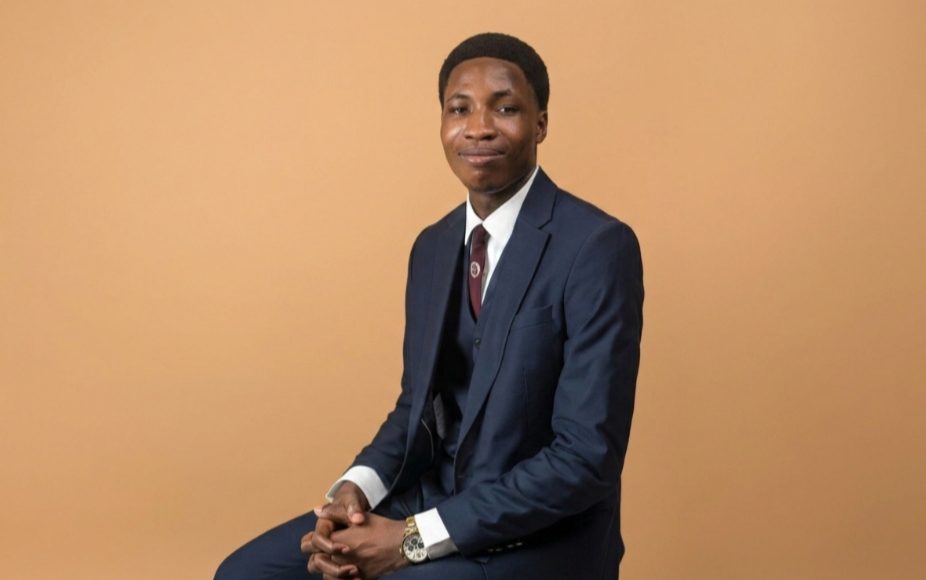
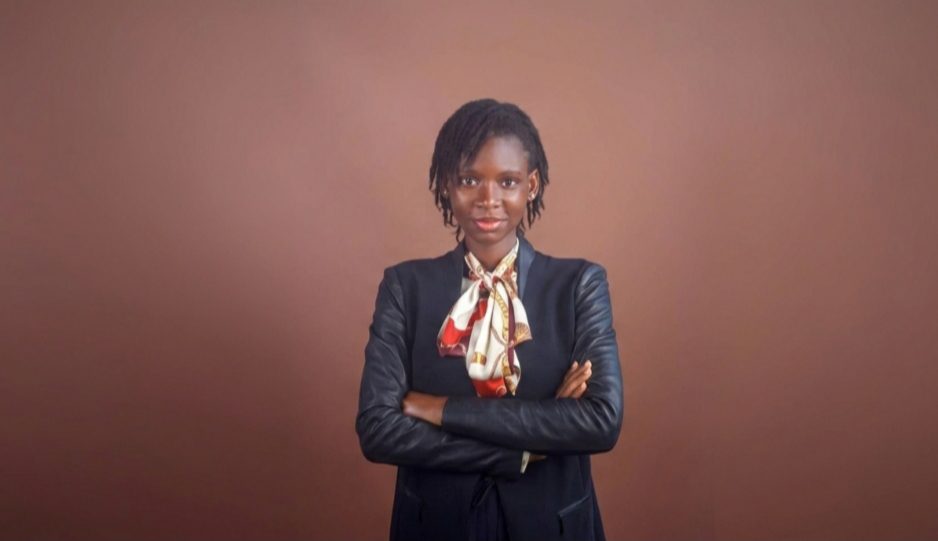
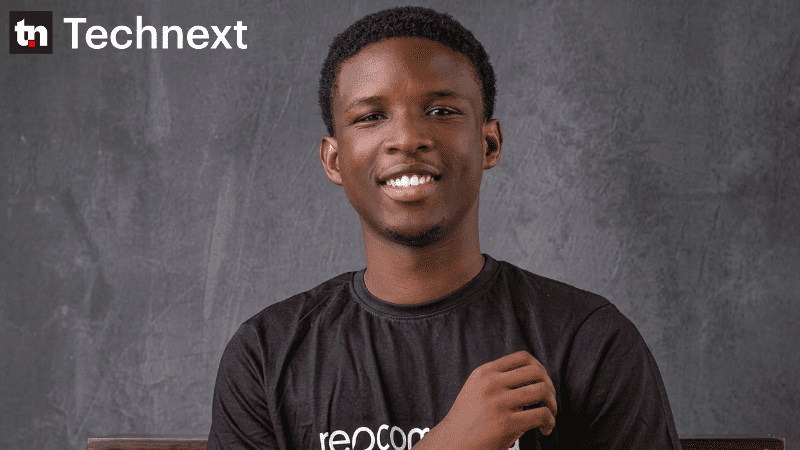
The founding team came together through the church, Winners Chapel International. Comprising Maryann Nnaji, David Mac-asore, and Emmanuel Ibiang, each member brought a distinct skill set, from machine learning to product development. Before ReedApt, some had worked together on a branding agency that generated modest revenue. But building an AI product at scale was an entirely different challenge.
There were no investors. No cloud credits. No roadmap.
At one point, the team was using their salaries to pay for hosting, leaving little for basic needs. Progress was slow. For nearly two years, attempts to build the product yielded limited results.
Then came a turning point.
After applying unsuccessfully to a cloud support programme, Apotierioluwa received an unexpected follow-up through a separate integration channel. The result was $5,000 in credits, arriving just as their hosting was about to expire. Around the same time, additional credits from another provider came through.

Today, ReedApt allows users to upload videos, select source and target languages, and generate translated versions with voice cloning. The system is designed to preserve tone and identity so speakers can be heard in their own voice across languages.
The use cases are immediate.
Churches can reach non-English-speaking audiences without relying solely on human interpreters, who face limits due to fatigue. Creators can distribute content beyond linguistic borders. Audiences who were previously excluded can engage directly.
Also read: The PewBeam effect: like Nigeria’s fintech gold rush, a worship AI boom is coming
Going forward
The company is already seeing traction with languages like French and Spanish while working to expand support for African languages such as Yoruba, with Hausa and Igbo in development.
The ambition goes further. Real-time translation for live events is in testing, with early deployments in select organisations.
Despite the progress, Apotierioluwa is careful not to frame the journey as complete. “We are not satisfied yet,” he says. That mindset reflects the same persistence that defined his early years. The difference now is scale.
