




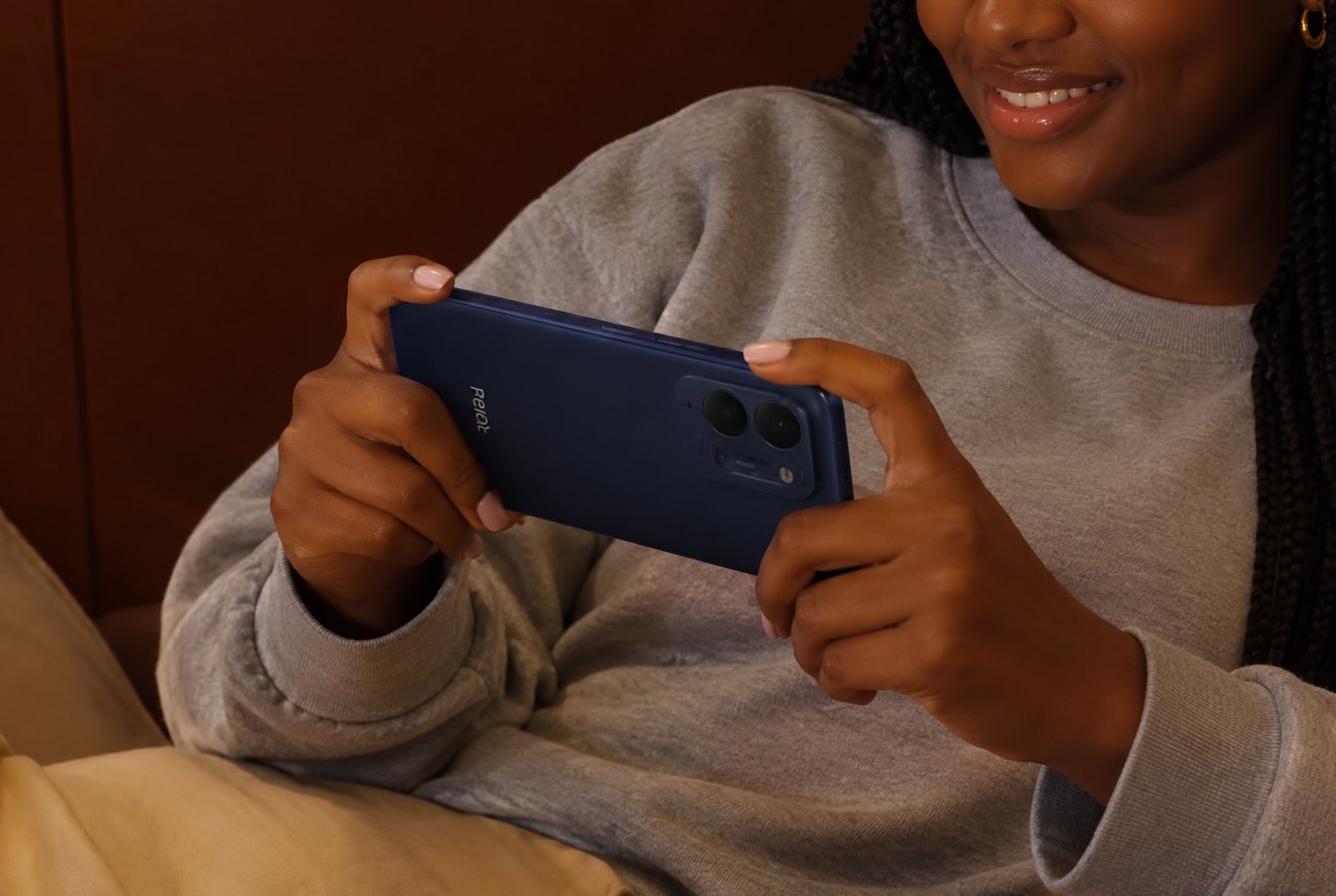
Replacing a phone often starts with a small frustration. The battery needs charging before the day is over. Photos no longer look the way you hoped. Or a device that once felt quick now makes simple tasks take longer.
Choosing its replacement is harder. Samsung, Apple, and Xiaomi offer different reasons to upgrade, and the most expensive option is not automatically the most useful one.
This year’s standout phones make that distinction clear. The Samsung Galaxy S26 Ultra puts tools for photography and productivity first. The iPhone 17 offers a strong everyday Apple experience without requiring a Pro model. Xiaomi’s REDMI Note 17 Pro Max 5G makes battery endurance its strongest argument, while the Xiaomi 17T offers a different mix of cameras, storage, and screen size.
Best battery: REDMI Note 17 Pro Max 5G

A phone’s battery becomes more than a specification when you are checking the percentage before leaving work or deciding which apps to close on the way home. That is the strongest case for the REDMI Note 17 Pro Max 5G. Tech Advisor names it its mid-range battery-life pick, highlighting its exceptional endurance and 100W fast charging.
With a massive 10, 000mAh battery, the question is no longer whether it can last long, but how long it will last. Someone whose priority is demanding gaming may reach a different conclusion.
Who should buy?
People who spend long days away from charging points and care more about endurance than demanding gaming or a particularly clean software experience.
Similar: REDMI Note 17 Series: Xiaomi launches smartphone that can last for 3 days in Lagos
Best for Productivity: Samsung Galaxy S26 Ultra

For someone who takes handwritten notes, marks up ideas or sketches between meetings, Samsung’s S Pen has a purpose beyond the specification sheet.
PCMag identifies the Galaxy S26 Ultra as a standout for artists and note-takers, highlighting its cameras, performance, and integrated stylus. Its review also flags compromises, including average battery life and limited viewing angles. Those details matter: a phone can be highly capable without being the best choice for every routine.
The S26 Ultra deserves consideration if you’ll use its extra tools regularly. If the stylus stayed inside the phone, its appeal would change.
Who should buy?
Professionals, designers, and frequent note-takers who will regularly use the stylus and large-screen multitasking.
Best Zoom Photography: Xiaomi 17T Series
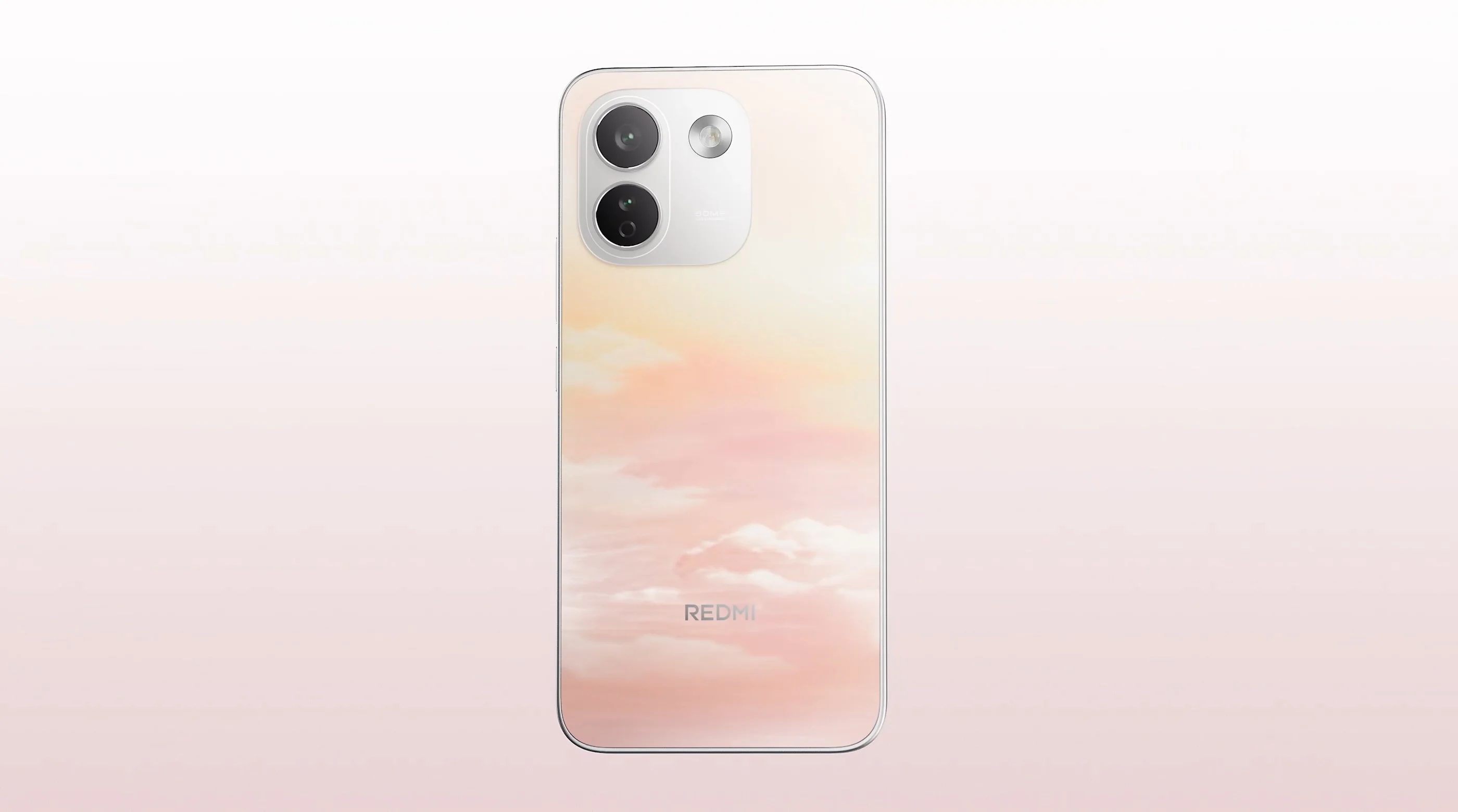
The Xiaomi 17T Series is worth considering separately from the 6 range. It combines a 50MP Leica main camera, a 50MP 5x periscope telephoto camera, and a 12MP ultrawide camera, giving you more ways to frame a shot without carrying extra equipment.
The 5x telephoto lens is the standout feature. It brings distant subjects closer through native optical zoom, while Xiaomi’s AI Ultra Zoom supports digital zoom up to 120x.
Tech Advisor highlights the 17T’s vibrant main-camera images and describes its 5x telephoto lens as “a real win for proper zoom photography.”
Who should buy?
People who regularly photograph performances, events, distant details, and subjects they cannot easily approach.
Best iPhone for Most People: Apple iPhone 17

Buying an iPhone does not have to mean choosing the most expensive model.
PCMag names the iPhone 17 as its best iPhone for most people, citing performance, battery life, display quality, and cameras. The missing telephoto camera is a meaningful limitation for people who frequently photograph subjects at a distance, but it does not erase the standard model’s broader appeal.
Who should buy?
People who want a capable everyday iPhone but do not need the specialist photography and video tools of the Pro models.
Best Affordable Phone: REDMI 15C

The REDMI 15C is the affordable pick in this shortlist, based on the supplied Nigerian pricing and its published hardware. Xiaomi lists a 6,000mAh battery, a large display, and 33W charging: features worth considering when screen size and battery capacity come before specialist camera tools.
Its specifications still need careful reading. “Up to 16GB RAM” includes storage-based memory extension, not 16GB of physical RAM.
Who should buy?
Budget-conscious buyers who prioritise a large screen and battery capacity and are comfortable carrying a bigger handset.
Best for Foldable Multitasking: Samsung Galaxy Z Fold 8

The Galaxy Z Fold 8 approaches that problem differently from the S26 Ultra. Rather than centring the experience on a stylus, it offers an unfolding workspace. It belongs on this shortlist for people who want to move between a phone and a larger screen without carrying two separate devices.
The foldable design does not mean it offers Samsung’s most complete camera system. PCMag’s comparisons flag the lack of native optical zoom and changes to the inner display and shape—important compromises for buyers expecting an Ultra-style camera experience inside a folding body.
Who should buy?
People who frequently read documents, work across apps, or want more screen space while travelling.
Best Performance: POCO X8 Pro Max
A powerful phone should feel responsive when you ask more of it—not only when moving between the home screen and a messaging app.
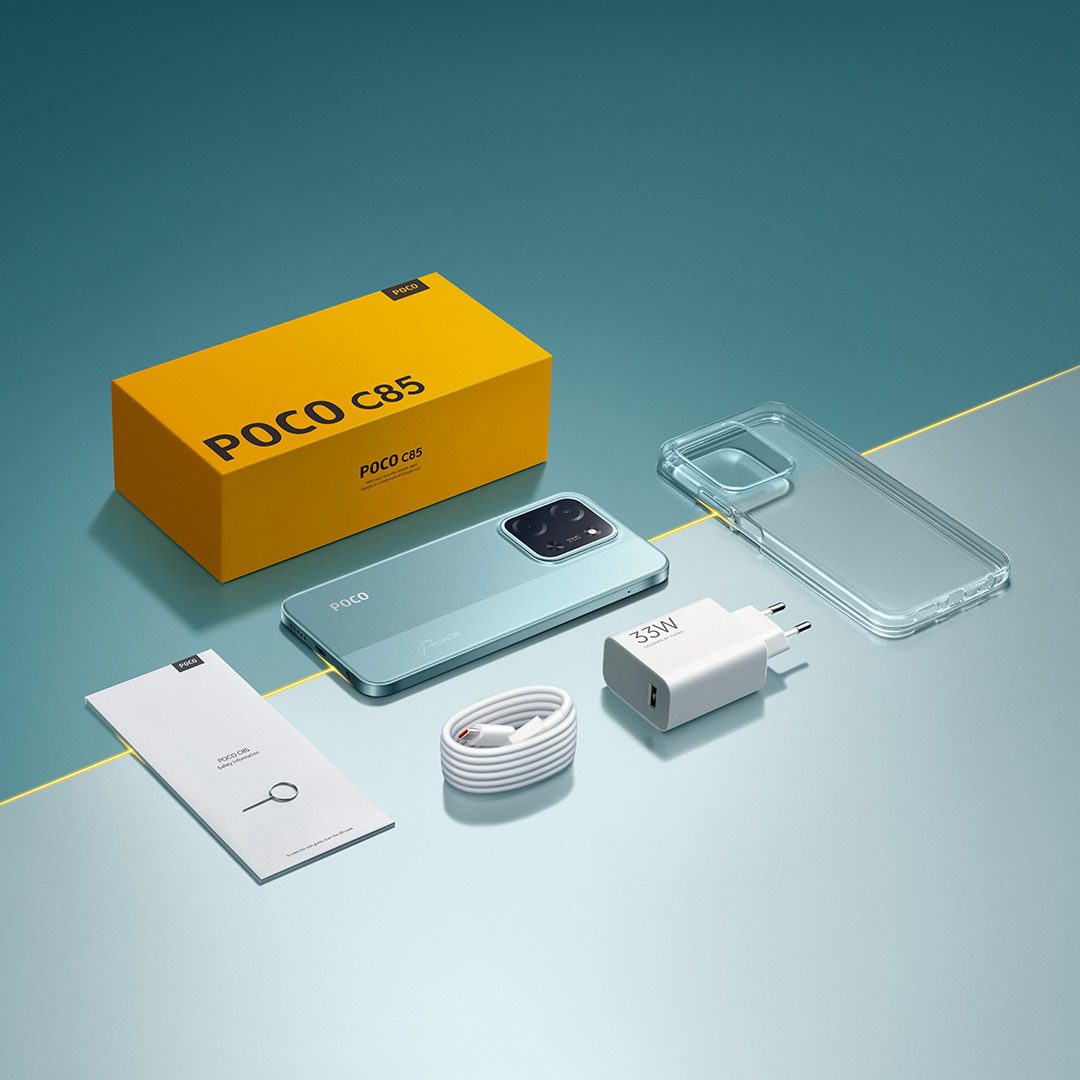
That is where the POCO X8 Pro Max makes its case. Tech Advisor names it its mid-range performance pick, highlighting the Dimensity 9500s processor, 12GB RAM, and strong results in demanding games. Its display and speakers help make that performance useful for entertainment, rather than simply impressive on paper.
Who should buy?
Gamers and demanding users who want speed, a good screen, and strong sound without moving into the most expensive flagship bracket.
Best Affordable Samsung: Samsung Galaxy A17 5G

The Galaxy A17 5G gives the article a more accessible Samsung option, balancing everyday photography, battery life and long-term software support. PCMag recommends it in the budget category while recognising that its processor and memory impose limits.
That distinction matters. A phone chosen mainly for calls, messaging and everyday photographs does not need to compete with a gaming-focused device. It does need to remain practical for the person buying it.
Who should buy?
Buyers who want an affordable Samsung with 5G and a long support commitment, rather than flagship performance.
Best Premium iPhone: Apple iPhone 18 Pro Max
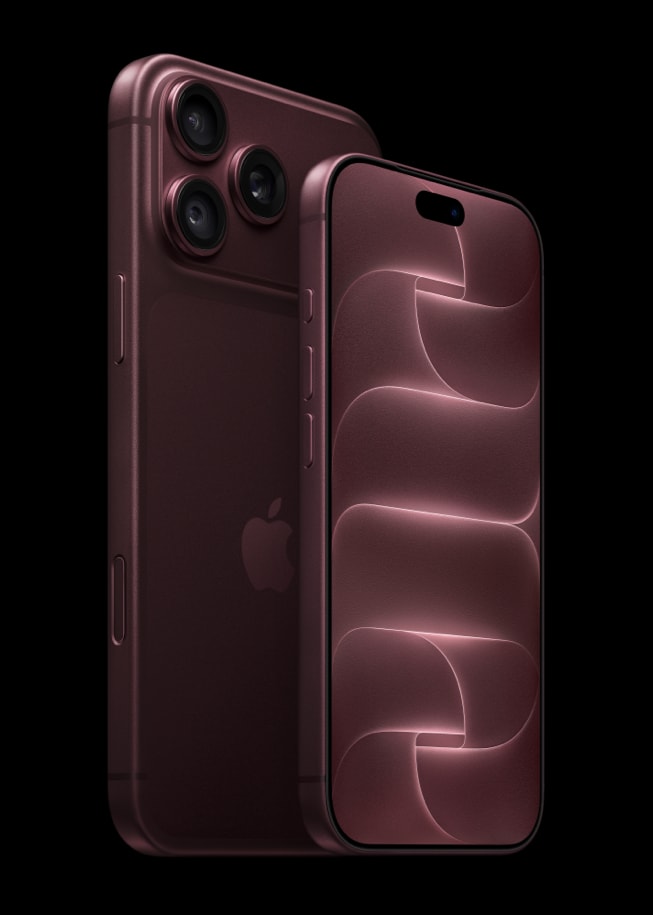
The iPhone 18 Pro Max is for buyers who want more than the everyday Apple experience already offered by the standard iPhone.
PCMag’s assessment highlights its processing power, camera capabilities, and particularly strong battery results. It lasted 34 hours and 31 minutes in the publication’s test, earning its battery-life Lab Award. That is a controlled benchmark, not a promise that every owner will achieve the same runtime.
Who should buy?
Demanding iPhone users who prioritise battery endurance, performance and advanced camera tools—and are comfortable paying for them.
The conversation should not end on premium phones
Samsung’s Galaxy S25 FE also deserves attention. Tech Advisor places it at the top of its mid-range guide, praising its main and selfie cameras, software, and seven-year update commitment, while noting weaker supporting cameras and charging limitations.
The best phone of the year is therefore not one answer for everyone. It is a shortlist of strong choices with different priorities. The useful question is which one fixes the frustration that made you consider replacing your phone in the first place.
For readers already considering a Xiaomi purchase, the Xiaomi Carnival Live Black Friday Event Sales are scheduled for 27 November 2026. The event provides a date to follow, but the buying decision should come first.
