




When organisations distribute support, they often have to balance two priorities: ensuring that the value serves a specific purpose and allowing recipients the freedom to decide what they need.
Unrestricted cash gives recipients flexibility over how they spend, but the issuing organisation may have limited visibility into whether the value has served a particular programme objective. Fixed items, such as food hampers, offer greater certainty about what is provided but leave recipients with little room to make their own choices.
Purpose-bound value offers a middle ground. An organisation can define what it wants to support while allowing recipients to make their own choices within that purpose, rather than selecting the same items for everyone.

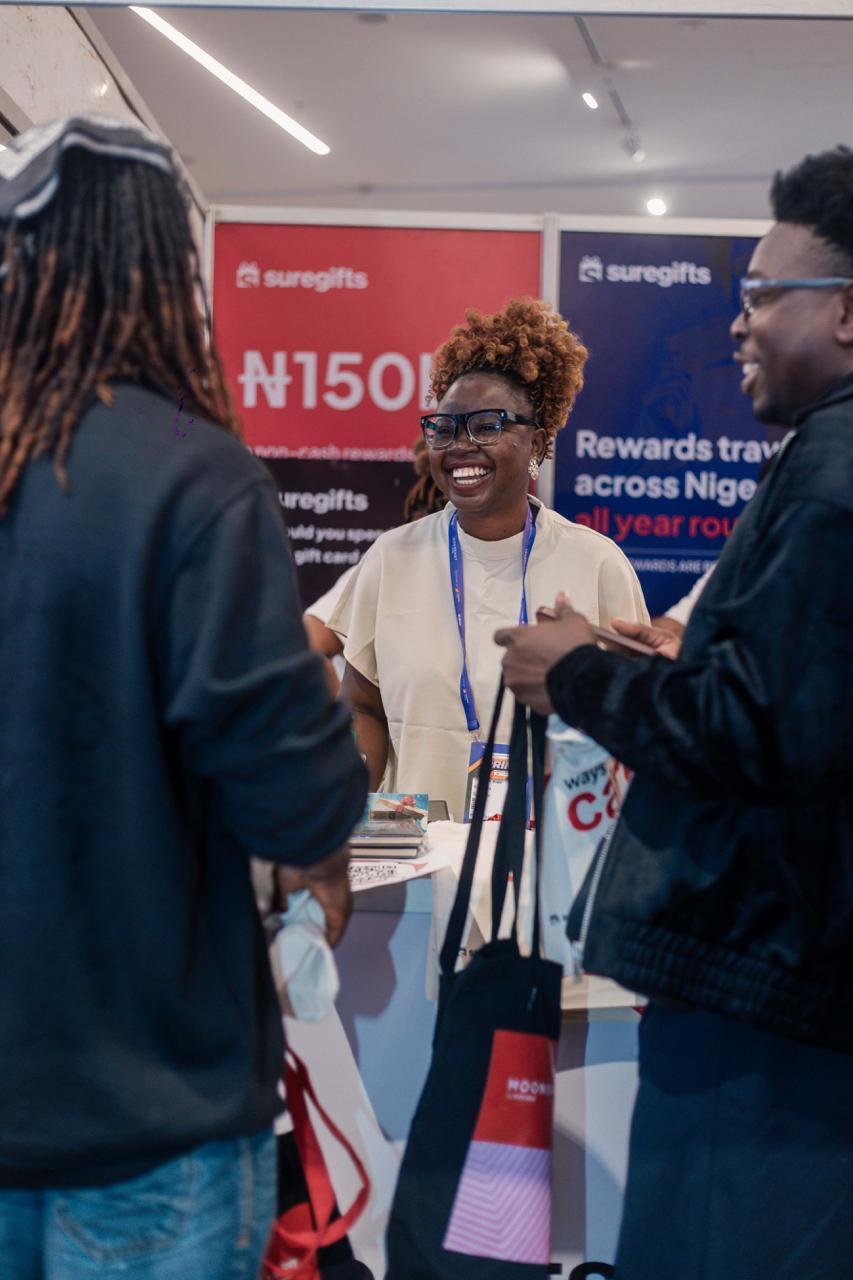
The approach was central to a talk by David Fisayo, Managing Director of SureGifts, on the Future of Money stage at Moonshot 2026, organised by TechCabal in Lagos.
How does purpose-bound value work?
Rather than distributing unrestricted funds or predetermined items, an organisation can issue value that is limited to an agreed category or network of approved merchants.
For example, an employer providing grocery support could issue value that can only be redeemed at approved supermarkets. Employees retain the freedom to choose their preferred store and select the items that suit their household needs, while the organisation can access redemption information.
The same principle can apply to other categories. An education allowance, for instance, could be restricted to approved education providers or suppliers, subject to the available programme arrangements.
The distinction is important. The organisation defines the purpose of the support, but the recipient makes the choices within those boundaries.
“An organisation can decide what it wants to support without deciding exactly what the person receiving that support should buy. For example, if a family receives grocery support, they should be able to choose the food items that best suit their needs. That is the idea behind purpose-bound value: the organisation sets the purpose, but the recipient still has a say in how the support is used,” David said.
Built on existing infrastructure
For purpose-bound value to work at scale, organisations need more than a way to issue digital vouchers. They need an infrastructure that connects recipients to merchants, supports redemption and provides reliable records of transactions.
SureGifts has operated in Nigeria since 2014, building a rewards network that connects more than 1,000 organisations to over 400 merchant partners. Its platform supports the issuance and delivery of rewards, redemption across participating merchants, and reporting on programme activity.
The company has recorded more than 1.3 million reward redemptions, according to its Beyond Cash report. The report also found that supermarkets and grocery stores accounted for 79.1 per cent of redemption value across its network.
These figures provide an indication of the categories in which recipients are already using rewards, particularly for everyday needs.
Organisations use rewards infrastructure for a range of purposes, including employee recognition and welfare, sales incentives, customer loyalty programmes and promotional campaigns. Purpose-bound value extends the possibilities by allowing organisations to define how distributed value can be used while retaining visibility into redemption.
Where could it apply?
The model has potential applications beyond employee rewards.
In education, organisations could provide allowances for approved learning expenses while allowing recipients to choose from participating providers or suppliers.
In health and wellness programmes, support could be directed towards approved healthcare services or products, depending on the programme design.
Development organisations and institutions could also explore similar arrangements for support programmes where there is a defined spending objective and a need to understand how the value is redeemed.
The important consideration is that restrictions should be designed around the intended purpose without unnecessarily limiting recipients’ ability to make decisions.
As digital platforms continue to shape how organisations distribute value, the question is not only how quickly money or rewards can be issued, but also how the infrastructure can support the intended purpose while preserving meaningful choice for the people receiving them.
About SureGifts
SureGifts is Nigeria’s leading enterprise platform for rewards, incentives, and loyalty. Since 2014, it has served more than 1,000 corporate clients and partners with over 400 merchants across Nigeria and Kenya, powering one of Africa’s largest merchant-backed rewards ecosystems.
Read also: Fake ₦50,000 FG grant links: How Nigerians can protect their bank accounts
